





What's Happening?
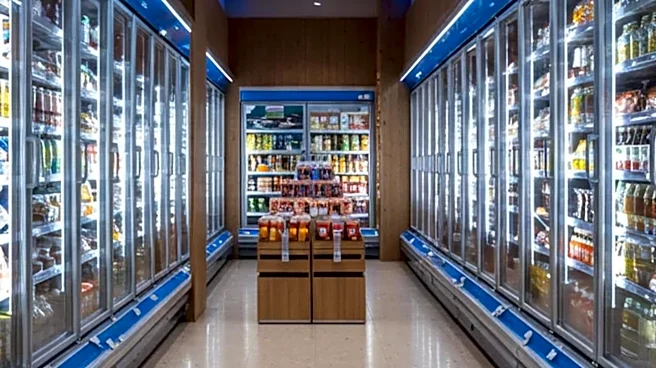
The U.S. government has issued a warning about an ongoing cyber threat targeting industrial refrigeration units globally, including those in supermarkets, U.S. military bases, and a blood bank in France. The U.S. cybersecurity agency CISA, the FBI, and the Departments
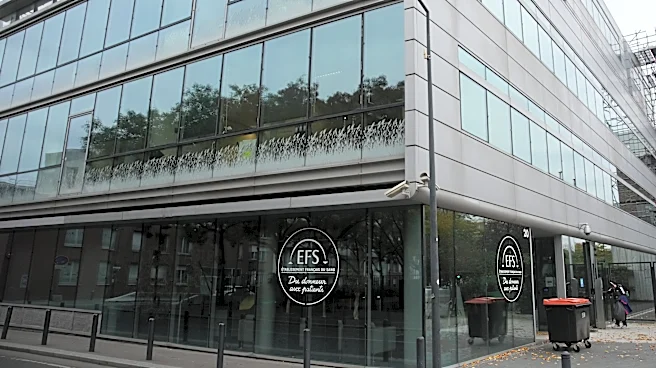
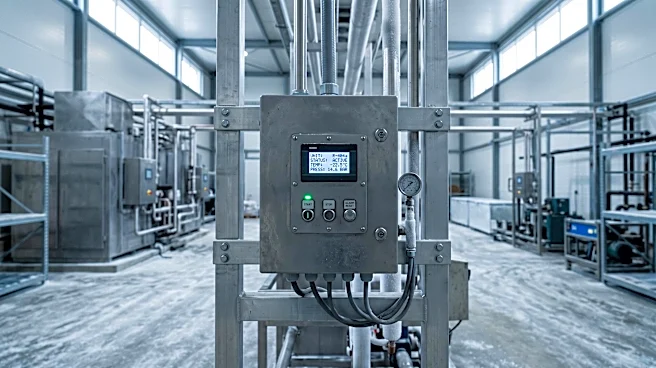
of Agriculture, Health and Human Services, and Transportation released a joint statement on Thursday, indicating that hackers are compromising internet-connected refrigeration and cold chain monitoring systems. These attacks are impacting critical infrastructure sectors such as food, agriculture, transportation, and medicine shipping. The hacks can force units into continuous heating and defrost cycles, leading to widespread inventory loss, equipment hazards, and potential fire risks. While the U.S. has not officially attributed the attacks, security researchers and U.S. officials broadly suspect Iran as the likely culprit. The Department of Defense is investigating freezer hacks at military bases, and a blood bank in France successfully prevented compromise of its blood stores despite an attack.
Why It's Important?
This ongoing cyber threat has significant implications for U.S. national security and economic stability. The targeting of critical infrastructure, particularly the food and medical supply chains, could lead to substantial economic losses from spoiled goods and damaged equipment. More critically, it poses a direct threat to public health and safety by compromising the integrity of food and medical products that require precise temperature control. The attacks on military bases also raise concerns about operational readiness and the security of essential services for military personnel. The vulnerability of internet-connected industrial control systems, often lacking robust security updates, highlights a systemic weakness that malicious actors can exploit. The suspected involvement of a state actor like Iran elevates these incidents to a geopolitical concern, indicating a potential escalation in cyber warfare tactics that could have far-reaching consequences.
What's Next?
Federal agencies are urging organizations that rely on refrigeration and monitoring systems to assume they could be targets and implement immediate security measures. These recommendations include removing remote control systems from the internet, strengthening passwords, applying security patches, and retiring unsupported equipment. Chris Butera, CISA’s acting cybersecurity chief, emphasized the urgency of these actions. The ongoing investigations by the U.S. Department of Defense and coordination with European authorities suggest a continued focus on identifying and mitigating these threats. Industries affected are likely to increase their investment in cybersecurity defenses and implement more stringent protocols for managing their industrial control systems to prevent future attacks and protect critical assets.
Beyond the Headlines
The nature of these attacks, which directly impact physical infrastructure and potentially public safety, represents a concerning shift in cyber warfare. It moves beyond data theft or network disruption to tangible harm, such as food spoilage and risks to medical supplies. This development underscores the need for a re-evaluation of cybersecurity strategies, moving beyond traditional IT security to encompass operational technology (OT) and industrial control systems (ICS). The ease with which these systems can be compromised, often due to a lack of updates or default configurations, highlights a critical gap in current security practices. This situation could accelerate the adoption of advanced cybersecurity frameworks and technologies, including AI-driven defense mechanisms, across various industries to protect against increasingly sophisticated and impactful cyber threats.