
What's Happening?
The U.S. Congress has narrowly passed a bill to repeal a 20-year mining ban in the Superior National Forest, which includes the Boundary Waters Canoe Area Wilderness in northern Minnesota. This decision,
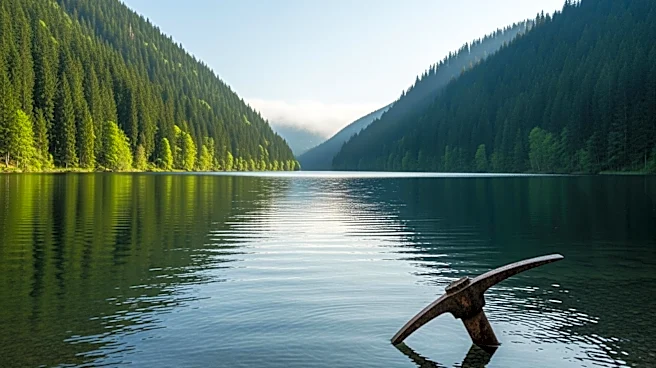
led by Rep. Peter Stauber, aims to create jobs in the Eighth District, which he represents. The repeal allows Twin Metals, a subsidiary of the Chilean mining company Antofagasta, to establish a sulfide-ore copper mining operation near the Boundary Waters. This area, known for its pristine wilderness, has been a popular destination for outdoor enthusiasts. The decision has faced significant opposition from environmental groups and local stakeholders who fear the potential for irreversible environmental damage to the 225,000 acres of fish and wildlife habitat.
Why It's Important?
The repeal of the mining ban in the Boundary Waters raises significant environmental and economic concerns. The area is a critical natural resource, supporting biodiversity and providing recreational opportunities that contribute to the local economy. The introduction of mining operations could lead to pollution and habitat destruction, threatening the ecological balance and the livelihoods dependent on tourism and outdoor activities. This decision reflects broader tensions between economic development and environmental protection, highlighting the challenges of balancing job creation with sustainable resource management. The move has sparked debates about the role of federal protection in preserving natural landscapes and the influence of corporate interests in public policy.
What's Next?
The decision to repeal the mining ban is likely to face legal challenges and continued opposition from environmental groups and local communities. Democrat Trina Swanson, who is challenging Rep. Stauber for his congressional seat, has voiced strong opposition to the repeal, supported by the Save the Boundary Waters Action Fund. If elected, Swanson and other like-minded legislators may seek to reinstate protections for the Boundary Waters. The outcome of this political contest could influence future policy decisions regarding environmental conservation and resource management in the region.
Beyond the Headlines
The repeal of the mining ban in the Boundary Waters could set a precedent for similar actions in other federally protected areas, potentially undermining conservation efforts nationwide. This decision reflects a broader ideological divide over environmental policy, with some viewing protection measures as obstacles to economic progress. The situation underscores the need for comprehensive environmental policies that balance economic interests with the preservation of natural resources for future generations. The controversy also highlights the importance of public engagement and advocacy in shaping environmental policy and protecting vulnerable ecosystems.