
What's Happening?
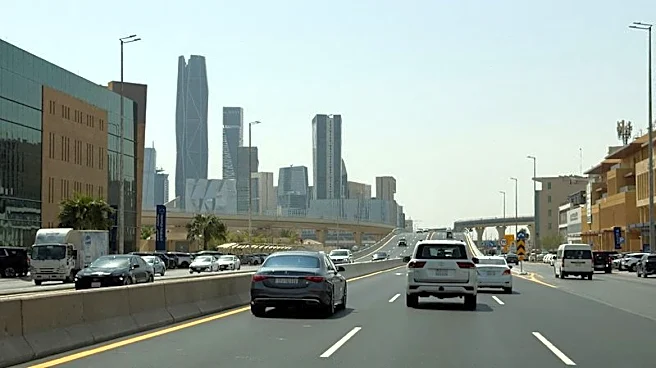
Saudi Arabia's civil defense authority lifted emergency alerts across parts of its oil-producing Eastern Province on Sunday, including Dhahran, Dammam, Abqaiq, and Al-Ahsa. This action followed an announcement
by the Saudi-led military coalition that it had intercepted a ballistic missile fired by Yemen's Iran-aligned Houthi movement towards the region. While authorities did not explicitly link the earlier alerts to the intercepted missile, the all-clear indicated that immediate warnings had ended. No disruption to Saudi Aramco's operations was reported. Dhahran hosts the headquarters of Saudi Aramco, and Abqaiq is a significant location for the kingdom's oil and gas reserves. The Houthis have consistently targeted Saudi airports, ports, and oil facilities with missiles and drones, increasing security pressures on the kingdom amidst ongoing regional conflicts.
Why It's Important?
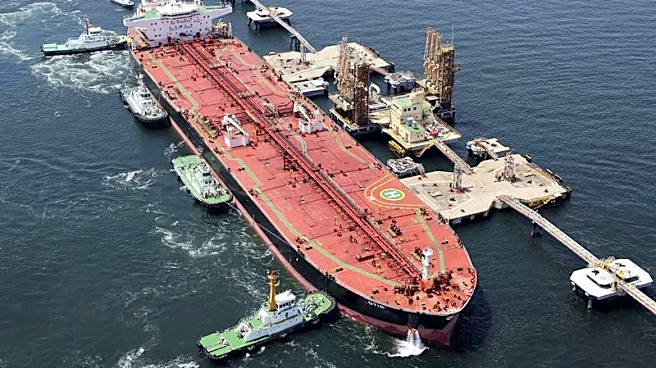
The interception of a Houthi ballistic missile targeting Saudi Arabia's Eastern Province, a critical oil-producing region, underscores the persistent threat to global energy supplies. Saudi Aramco, headquartered in Dhahran, is a cornerstone of the world's oil market, and any successful attack on its facilities could lead to significant disruptions and price volatility. For the U.S., this incident highlights the fragility of energy security in the Middle East and the potential for regional conflicts to impact global economic stability. The repeated Houthi attacks, often with Iranian-aligned backing, challenge U.S. foreign policy objectives in maintaining regional stability and protecting its allies. The incident also emphasizes the ongoing need for robust air defense systems in the region to counter such threats.
What's Next?
The Saudi-led coalition is expected to continue its efforts to counter Houthi missile and drone capabilities, likely through defensive measures and potential retaliatory strikes in Yemen. The Houthis are anticipated to persist in their strategy of targeting Saudi infrastructure, aiming to exert pressure on the kingdom and its allies. This ongoing cycle of attacks and interceptions suggests a sustained period of heightened alert for Saudi Arabia's critical infrastructure. International attention will remain focused on the security of oil facilities in the region, with potential implications for global oil prices and supply chains. The U.S. may continue to provide support to Saudi Arabia in strengthening its defensive capabilities and could engage in diplomatic efforts to de-escalate tensions, though a lasting resolution to the conflict remains elusive.
Beyond the Headlines
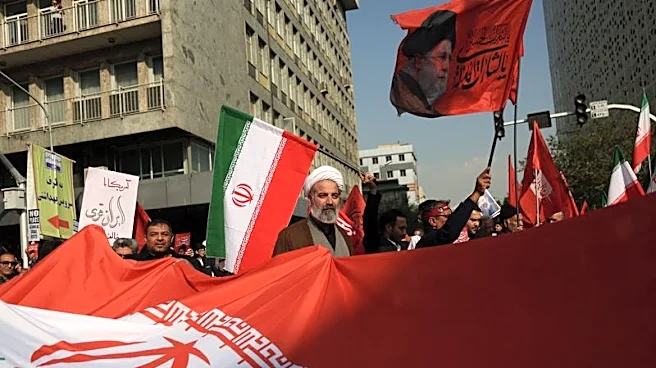
The recurring Houthi attacks on Saudi oil infrastructure, despite frequent interceptions, reveal a broader strategic objective: to demonstrate the vulnerability of Saudi Arabia's economic lifeline and to project power beyond Yemen's borders. This tactic aims to create economic uncertainty and political pressure, not just within Saudi Arabia but also among its international partners. The reliance on missile technology, potentially supplied or influenced by Iran, highlights the complex web of proxy warfare and arms proliferation in the Middle East. The incident also underscores the challenges of protecting vast and dispersed energy infrastructure from asymmetric threats. The long-term implications include a potential shift in global energy investment away from volatile regions and increased demand for alternative energy sources, as well as a re-evaluation of security strategies for critical infrastructure worldwide.