


What's Happening?
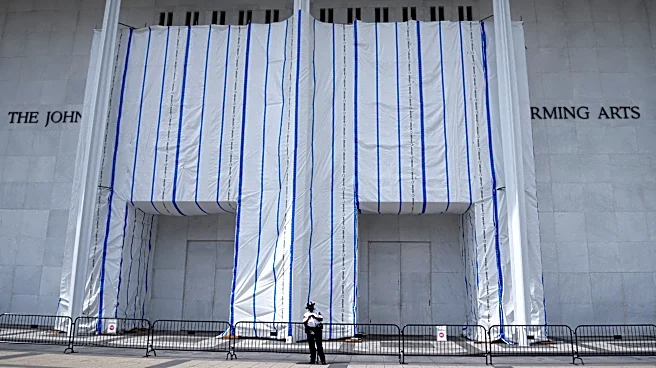
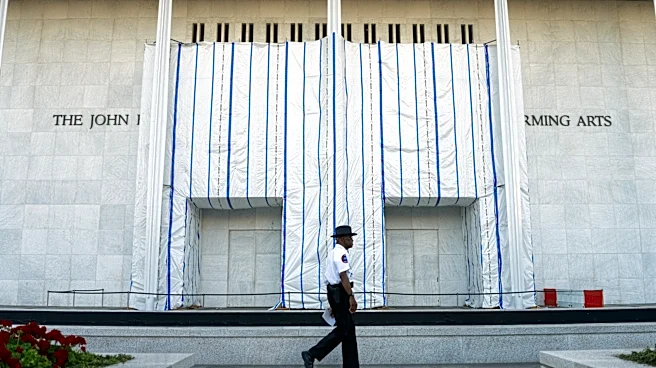
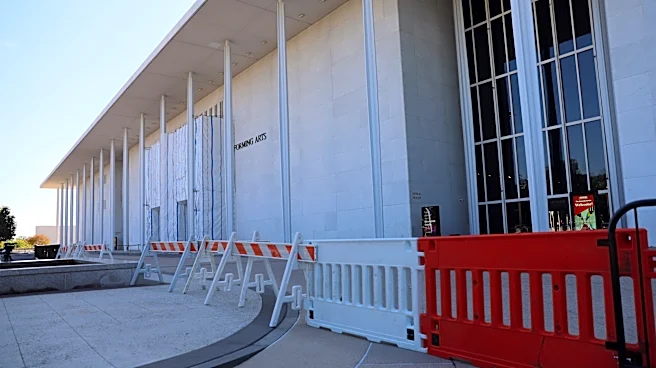
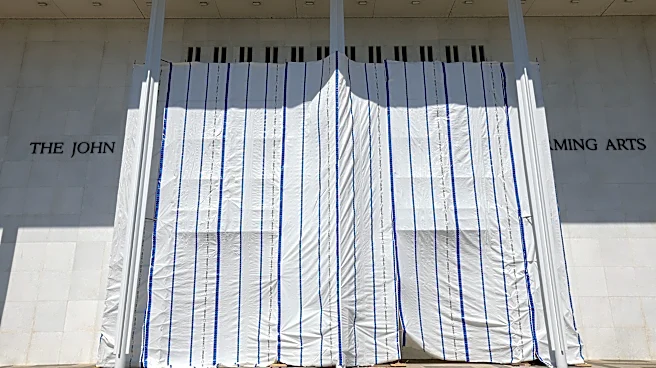
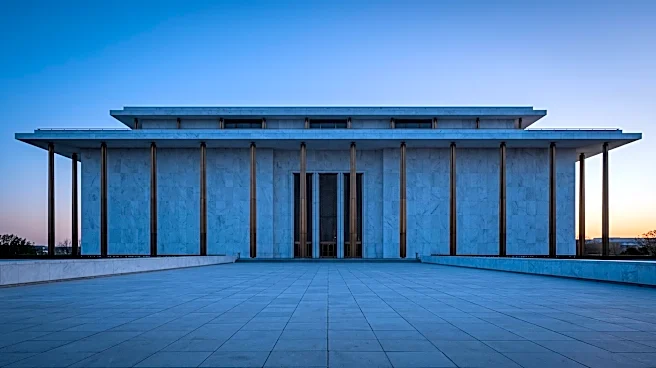
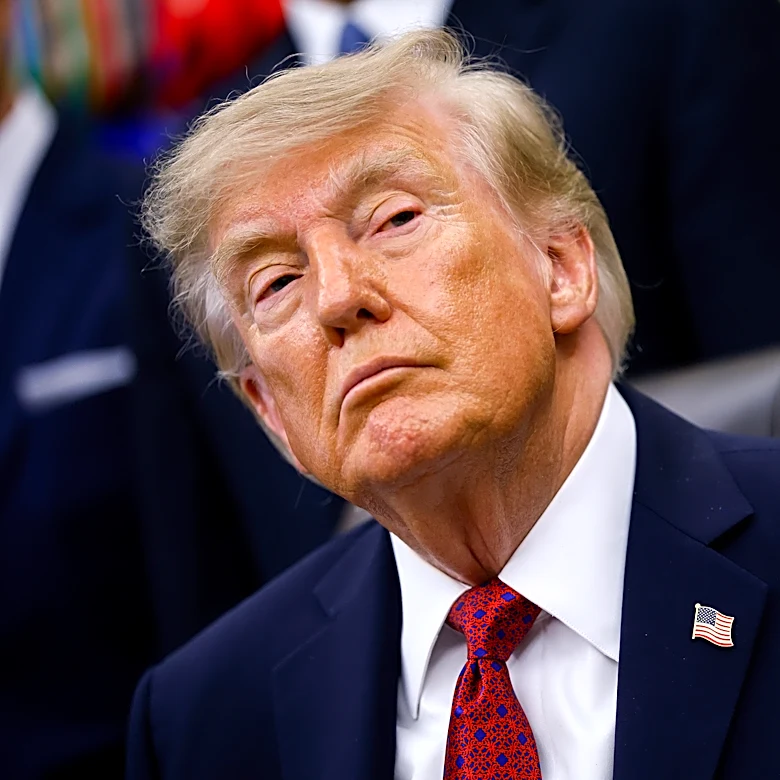
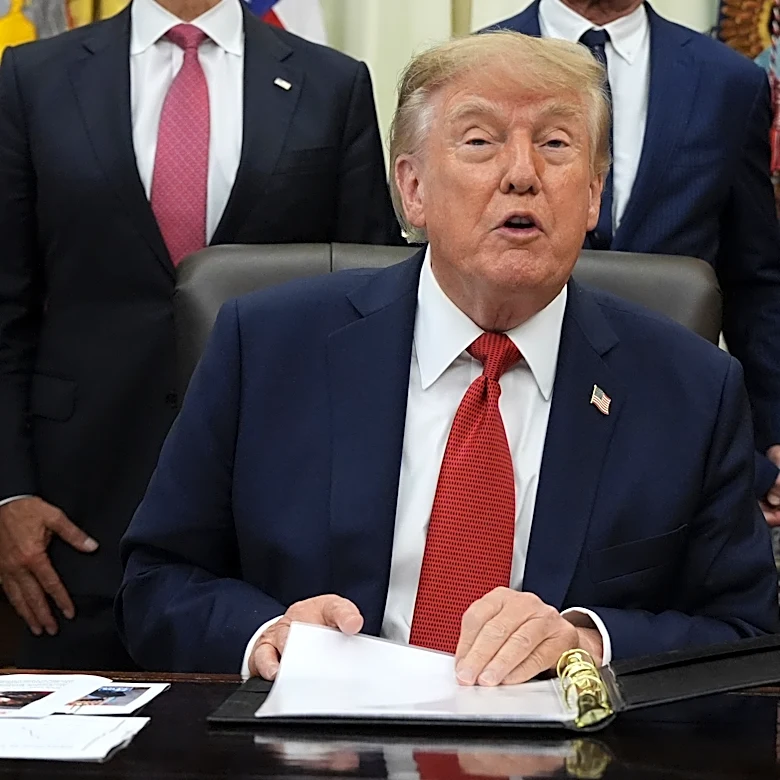
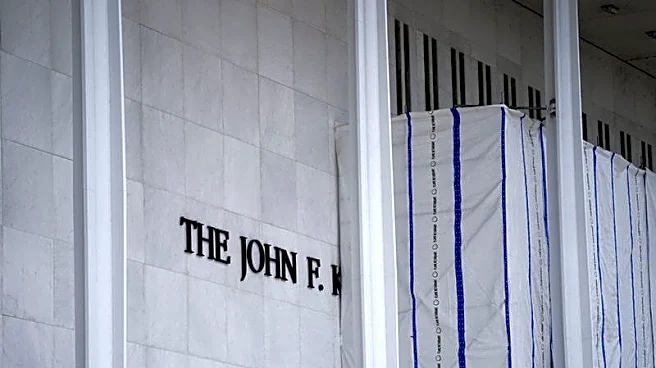
The Kennedy Center's board has voted to close the performing arts venue immediately, citing financial issues and the ongoing dispute over President Trump's efforts to add his name to the building. President Trump confirmed the closure in a Truth Social
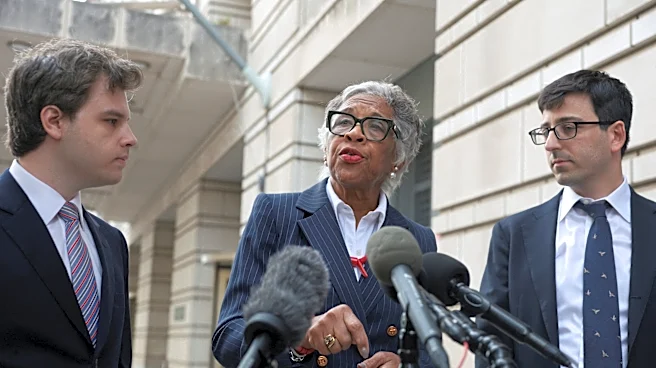
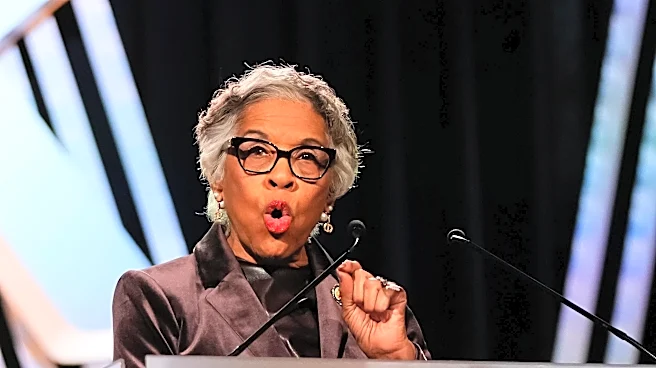
post, stating it was for 'Safety reasons' and that renovations, funded by a congressional appropriation of over $250 million, would not proceed unless the D.C. Circuit Court rules in favor of the board's approved name. Earlier the same day, a federal judge, Christopher R. Cooper, rejected President Trump's latest attempts to place his name on the Kennedy Center, accusing him and his allies of 'linguistic gymnastics' and 'play[ing] word games' in defiance of a previous court ruling and congressional intent. The judge ruled that the board cannot install President Trump's name on the facade or designate the grounds as 'President Donald J. Trump Plaza,' siding with Rep. Joyce Beatty (D-Ohio) who brought the lawsuit.
Why It's Important?
This situation is highly significant as it involves a direct confrontation between the executive branch, the judiciary, and a cultural institution over naming rights and control. The closure of the Kennedy Center, a prominent national performing arts venue, due to this dispute highlights the politicization of cultural institutions and the potential for political disagreements to disrupt public services. The judge's strong language, accusing President Trump of 'games,' underscores the judiciary's role in upholding legal statutes and preventing executive overreach, particularly concerning national memorials. The financial implications are also substantial, with congressional funds for renovation being held hostage by the naming controversy. This conflict sets a concerning precedent for how political figures might leverage their power to influence national cultural landmarks and the potential for such actions to lead to their closure or operational disruption.
What's Next?
President Trump has indicated that the Kennedy Center, represented by the DOJ, will appeal Judge Cooper's decision, seeking an expedited review by the D.C. Circuit Court. The future of the center's renovations and its reopening hinges on the outcome of this appeal. Rep. Joyce Beatty's attorneys have stated they will challenge the shutdown in court, arguing that the judge's injunction prohibiting the center's closure remains in effect. This suggests further legal battles are imminent regarding both the naming dispute and the legality of the closure itself. The situation is likely to remain highly contentious, with political leaders, legal teams, and cultural advocates continuing to engage in public and legal discourse over the center's fate. The board's decision to close, despite the judge's ruling, indicates a continued push to link renovations to the naming issue.
Beyond the Headlines
The conflict over the Kennedy Center's naming rights and its subsequent closure reveals deeper issues about the preservation and politicization of national cultural heritage. The center was established as a living memorial to President John F. Kennedy, and attempts to add President Trump's name are seen by many as an affront to its original purpose and a breach of fiduciary duty. This controversy highlights the ethical dimensions of leadership within cultural institutions, particularly when board members are political appointees. The argument that President Trump's recognition is 'essential to raising money' for the center raises questions about the integrity of fundraising for public institutions and whether such recognition should be a prerequisite for financial support. The incident also reflects a broader trend of political figures attempting to leave their mark on national symbols, often leading to public outcry and legal challenges, and underscores the fragility of cultural institutions in the face of political pressure.