






What's Happening?
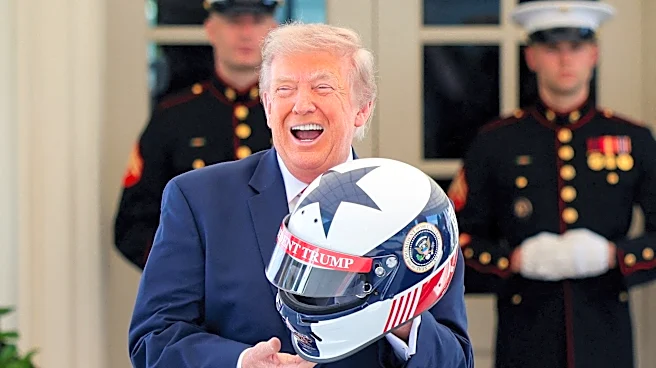
President Trump's weight has become a significant health concern for medical experts, with reports indicating a 23-pound increase since 2023. In May of this year, his weight was recorded at 238 pounds, a 14-pound rise from the previous year. This weight gain
places him in a category where obesity is considered a strong risk factor for numerous health issues, including premature disability and death, according to Dr. Scott Kahan, director of the National Center for Weight and Wellness. Despite these warnings, the White House maintains that President Trump is in good health, emphasizing his energy and work ethic. His physicians have advised him to focus on weight loss through dietary changes and increased physical activity. President Trump has a known preference for fast food, such as McDonald's, and has been reported to indulge in late-night snacking and highly processed foods.
Why It's Important?
The health of a sitting or former U.S. President is a matter of national interest, as it can impact their ability to perform duties and influence public perception. Medical experts are highlighting the potential long-term health risks associated with President Trump's weight gain, drawing parallels to the importance of Secret Service protections for his life. The public discussion around his health also brings attention to broader issues of obesity in the U.S. and the challenges individuals face in maintaining a healthy lifestyle, even with access to top medical care. The White House's counter-narrative, focusing on his energy and work ethic, underscores the political dimension of presidential health, where physical well-being can be framed as a testament to leadership capabilities. This situation could influence public discourse on health and fitness, particularly among his supporters.
What's Next?
President Trump's medical team will likely continue to recommend dietary adjustments and increased exercise to address his weight. The public and media will likely continue to monitor his health, especially given his age and potential future political endeavors. The White House may continue to issue statements regarding his health, emphasizing his vigor and work capacity. This ongoing discussion could also prompt further scrutiny of the health and lifestyle choices of other public figures. The situation may also lead to more conversations about the role of personal health in public service and the transparency surrounding the health of political leaders. It remains to be seen if President Trump will publicly address or implement the recommended lifestyle changes.
Beyond the Headlines
Beyond the immediate health concerns, this situation touches upon the broader societal perception of health and leadership. The contrast between medical warnings and the White House's assurances highlights a potential disconnect between clinical assessments and public image management. It also subtly underscores the challenges of personal health management under intense public scrutiny, where dietary habits and physical activity become subjects of national discussion. The comments from medical experts, comparing the priority of addressing obesity to Secret Service protections, emphasize the critical nature of a leader's health for national stability. This scenario could also spark a wider debate on the influence of fast food and processed diets on public health, given President Trump's publicly known preferences.