
What's Happening?
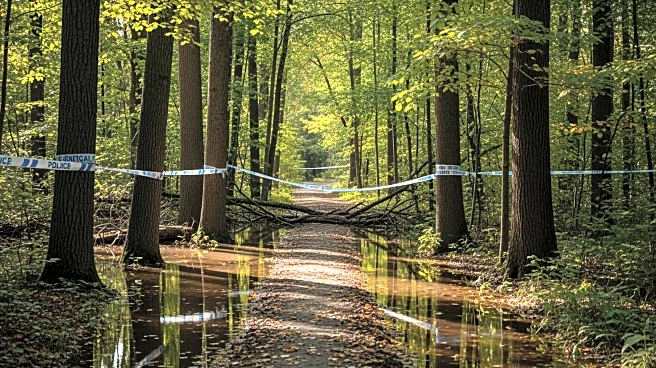
Most major highways leading to Vancouver, a critical Pacific port city in Canada, have been closed due to severe weather conditions, including floods, falling rocks, and avalanche risks. The British Columbia
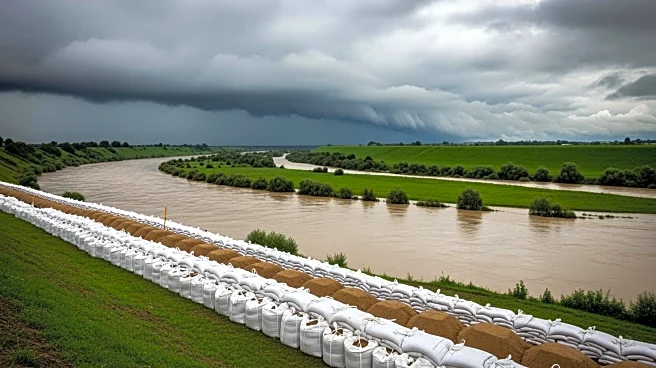
transport ministry has warned that the situation is dynamic, with potential for further road closures. Currently, five out of six highways into Vancouver are shut, although the main route to Seattle remains open. This disruption follows a significant weather event in late 2021, where an atmospheric river caused extensive flooding and mudslides, resulting in four fatalities and over C$500 million in damages. Vancouver serves as a major export hub for resources such as potash, coal, forestry products, pork, and beef, making these closures particularly impactful on trade and logistics.
Why It's Important?
The closure of major highways to Vancouver highlights the vulnerability of critical infrastructure to extreme weather events, which can have significant economic repercussions. Vancouver's role as a major export hub means that disruptions can affect a wide range of industries reliant on the timely movement of goods. The current situation underscores the ongoing challenges faced by global supply chains, which have been under strain due to various factors, including geopolitical shifts and natural disasters. The impact is felt not only in Canada but also in the U.S., where industries dependent on Canadian exports may experience delays and increased costs. This event serves as a reminder of the need for resilient infrastructure and adaptive strategies to mitigate the effects of climate-related disruptions.
What's Next?
As the situation develops, authorities in British Columbia will likely continue to monitor weather conditions and assess the safety of reopening the highways. Businesses reliant on the Vancouver port may need to explore alternative routes or modes of transportation to mitigate the impact on their supply chains. In the longer term, this event may prompt discussions on infrastructure investments and climate adaptation strategies to enhance the resilience of critical trade routes. Stakeholders, including government agencies and industry leaders, may need to collaborate on solutions to prevent similar disruptions in the future.
Beyond the Headlines
The closure of highways to Vancouver due to severe weather conditions raises broader questions about the impact of climate change on infrastructure and trade. As extreme weather events become more frequent, there is an increasing need to consider the long-term implications for global supply chains and economic stability. This situation also highlights the importance of cross-border cooperation between Canada and the U.S. in addressing shared challenges related to trade and infrastructure resilience. Additionally, it may spur innovation in logistics and transportation sectors as companies seek to adapt to a changing climate landscape.