




What's Happening?
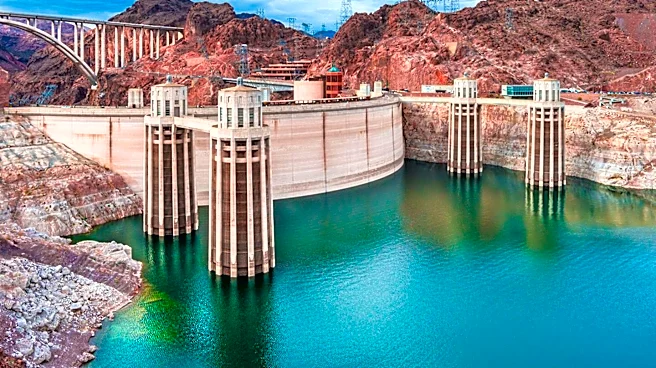
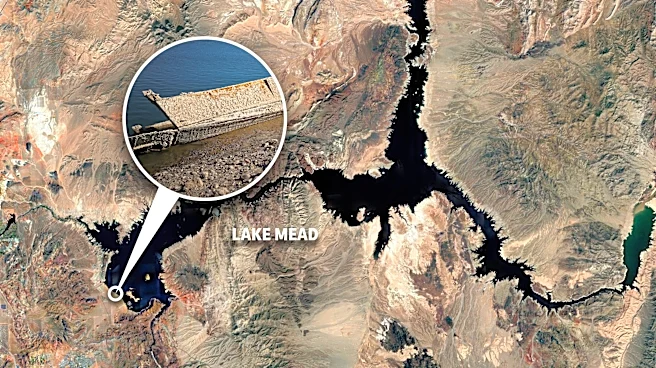
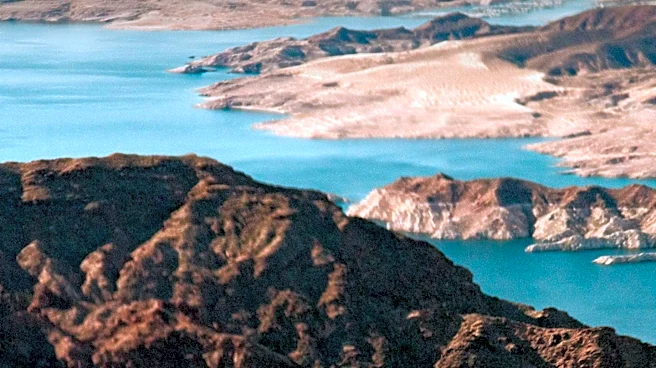
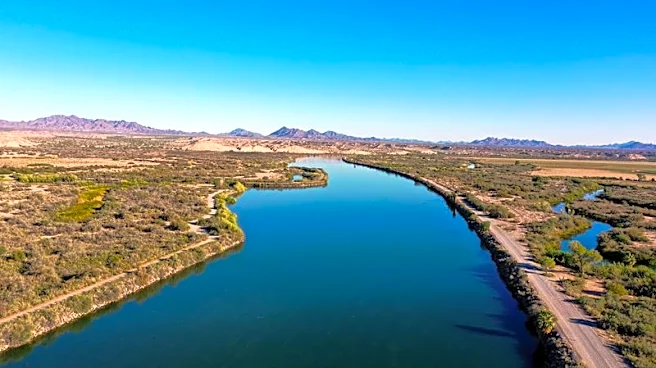
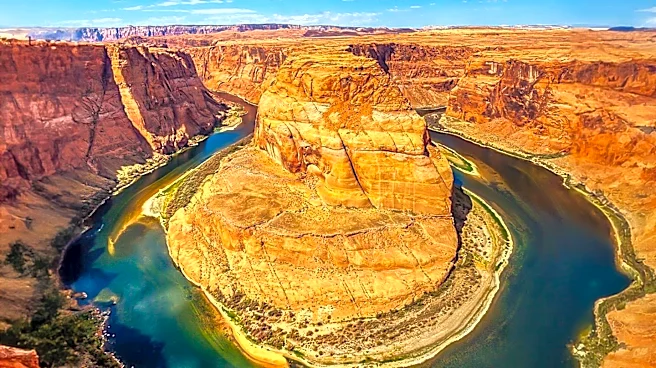
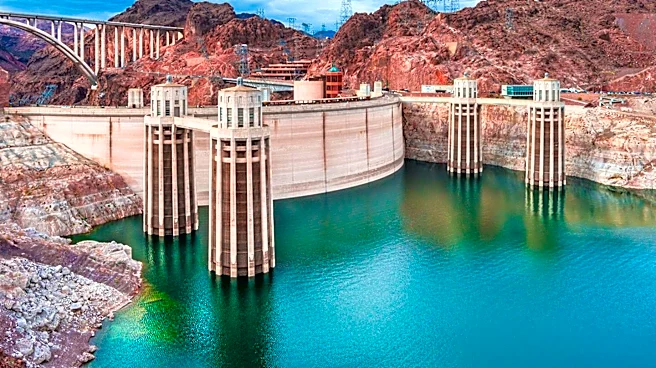
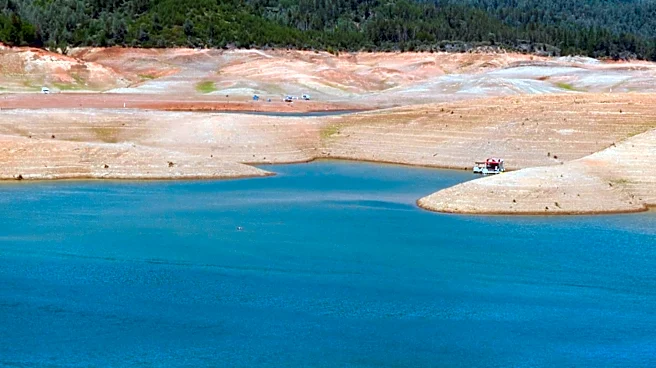
The Colorado River, a vital water source for approximately 40 million people across seven U.S. states and Mexico, is experiencing critical over-allocation and shrinking due to a prolonged drought. This situation has led to discussions about potential
alternative water sources, though many face significant political and environmental hurdles. Historically, engineers have considered large-scale water importation projects, such as the North American Water and Power Alliance in the 1960s, which envisioned redistributing water across the continent. More recently, the Columbia River in the Pacific Northwest has been identified as a potential source, but diverting its water would involve immense energy costs to pump it over mountain ranges and would face strong opposition from the Pacific Northwest, including tribes and fisheries dependent on its flows. Similarly, proposals to tap into the Mississippi River, including a 2021 Arizona legislative effort to explore pumping its floodwaters into the Colorado River system, are technically feasible but face challenges related to cost, lengthy construction, and political resistance from Midwestern and Southern states.
Why It's Important?
The dwindling supply of the Colorado River poses a significant threat to the water security and economic stability of the American West. The river supports major urban centers like Los Angeles, Las Vegas, Phoenix, and Denver, as well as a substantial portion of the nation's farmland. A failure to address this water crisis could lead to severe restrictions on water usage, impacting agriculture, industry, and daily life for millions. The immense costs and political complexities associated with large-scale water diversion projects highlight the difficulty of finding simple solutions. The resistance from regions like the Pacific Northwest and the Mississippi River basin underscores the inter-state conflicts that could arise over water rights and resources. This situation emphasizes the urgent need for sustainable water management practices and conservation efforts to mitigate the long-term impacts of drought and over-allocation on a critical national resource.
What's Next?
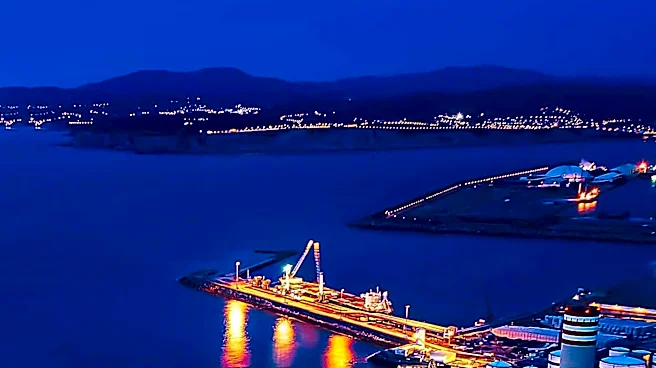
Given the impracticality of large-scale river diversions, the focus for Western states is shifting towards alternative strategies such as desalination, aggressive water recycling, and groundwater management. Desalination, particularly from the Pacific or Gulf of California, is gaining traction, with proposals for coastal states to fund plants in exchange for a larger share of Colorado River water. Cities are rapidly expanding water recycling initiatives to treat and reuse wastewater. While groundwater from aquifers remains a fallback, it is being depleted faster than it can be replenished, indicating its limitations as a long-term solution. Experts suggest that the future of Western water management will rely less on finding new rivers and more on implementing conservation, efficiency, and recycling measures. The realistic path forward involves managing existing water supplies more wisely, rather than pursuing costly and politically challenging inter-basin transfers.
Beyond the Headlines
The Colorado River crisis highlights a deeper challenge facing the U.S.: the long-term sustainability of resource management in the face of climate change and population growth. The historical over-allocation of the river, dating back a century, reflects a past era of resource exploitation without full consideration of environmental limits. The current situation forces a re-evaluation of water rights, interstate agreements, and the economic models that have historically driven development in arid regions. The ethical implications of diverting water from one region to another, potentially impacting ecosystems and indigenous communities, are also significant. This crisis could trigger a broader shift in public policy towards prioritizing water conservation and efficiency, potentially leading to new technologies and infrastructure investments in water treatment and reuse. It also underscores the need for collaborative governance across state lines to address shared environmental challenges, moving beyond traditional competitive approaches to resource allocation.