






What's Happening?
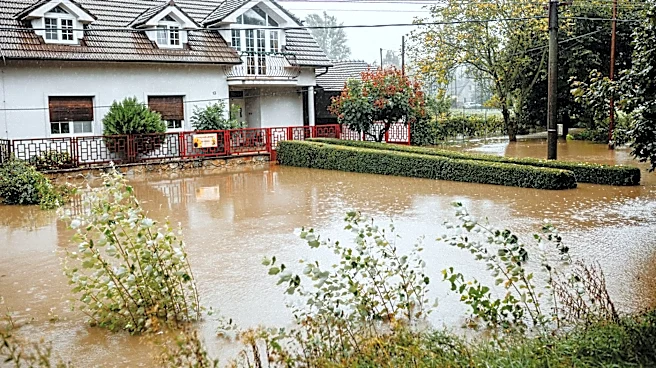
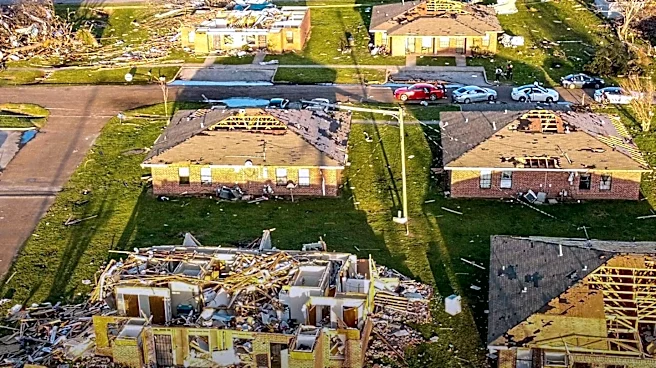
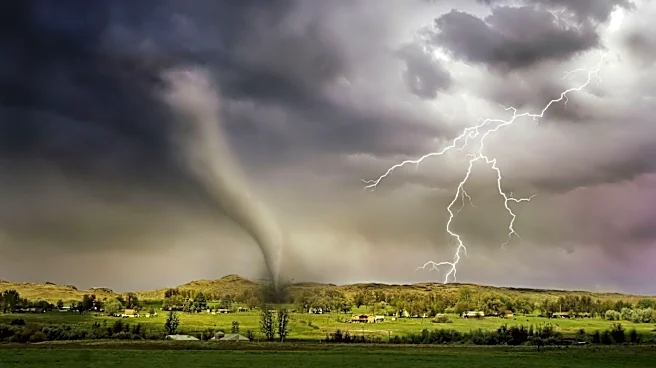
The Federal Emergency Management Agency (FEMA) has designated 21 counties in Wisconsin as natural disaster areas following severe storms, tornadoes, and flooding. This Presidential disaster declaration enables the United States Department of Agriculture
(USDA) Farm Service Agency (FSA) to extend emergency credit to agricultural producers affected by these natural disasters. Emergency loans are available to help producers meet various recovery needs, including replacing essential equipment or livestock, reorganizing farming operations, or refinancing certain debts. The FSA will evaluate loan applications based on the extent of losses, available security, and repayment capacity. Additionally, contiguous counties in Illinois, Iowa, and Minnesota are also eligible for assistance. The application deadline for these emergency loans is March 2, 2027.
Why It's Important?
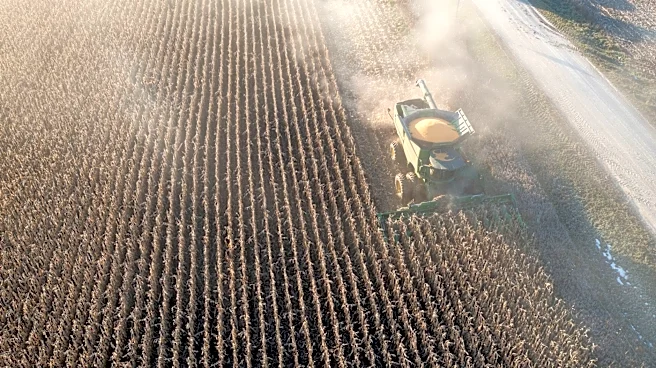
This designation is critically important for the agricultural communities in Wisconsin and neighboring states that have been devastated by severe weather. Farmers and ranchers often face significant financial losses from such events, including damaged crops, destroyed infrastructure, and loss of livestock. The emergency loans provided by the FSA offer a crucial lifeline, helping these producers recover and sustain their operations. This support not only aids individual farmers but also contributes to the resilience of the regional agricultural economy and the broader food supply chain. Without this assistance, many farms could face bankruptcy, leading to job losses and economic instability in rural areas. The coordinated response from FEMA and USDA underscores the federal government's role in disaster recovery and its commitment to supporting the agricultural sector in times of crisis.
What's Next?
Agricultural producers in the designated primary and contiguous counties are now eligible to apply for emergency loans through the USDA Farm Service Agency. They should contact their local USDA Service Center to file a Notice of Loss and gather information on available programs. The FSA will process applications, assessing the severity of losses, the collateral provided, and the applicant's ability to repay. The deadline for submitting applications for these emergency loans is March 2, 2027. Farmers can also access resources on farmers.gov, such as the Disaster Assistance Discovery Tool and Loan Assistance Tool, to understand their options. Furthermore, FEMA offers various assistance programs for individuals, public groups, and private nonprofit organizations, which can be explored on fema.gov/assistance.
Beyond the Headlines
The frequent occurrence of severe weather events, such as the storms, tornadoes, and flooding experienced in Wisconsin, highlights the growing challenges posed by climate change to agricultural production and rural infrastructure. While federal disaster aid provides immediate relief, it also prompts a broader conversation about long-term climate adaptation strategies for agriculture. This includes investing in resilient farming practices, improving early warning systems, and developing robust insurance mechanisms. The economic impact of such disasters extends beyond direct agricultural losses, affecting local businesses, supply chains, and community well-being. The need for repeated federal intervention underscores the importance of proactive measures to mitigate the effects of extreme weather and build more sustainable and resilient agricultural systems across the nation. This situation also emphasizes the critical role of inter-agency cooperation between FEMA and USDA in responding to widespread natural disasters.