


What's Happening?
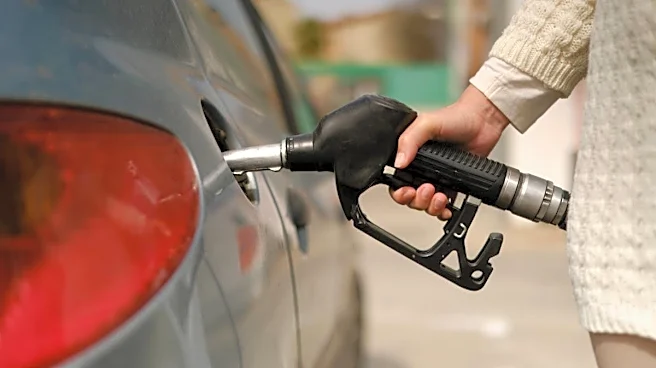
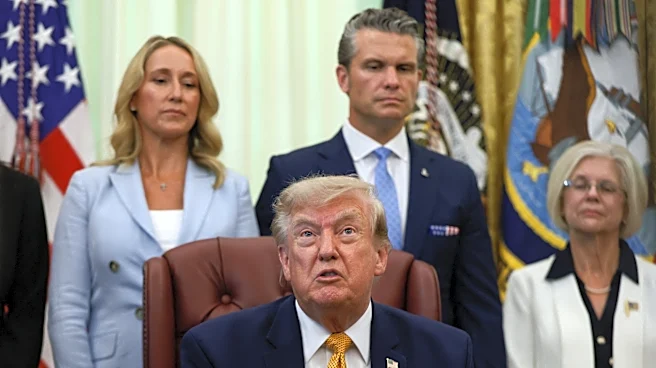
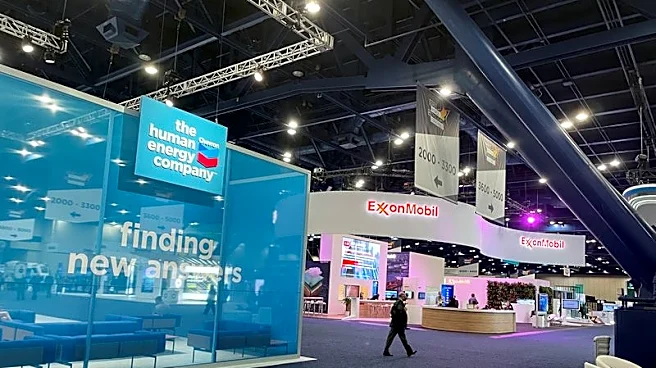
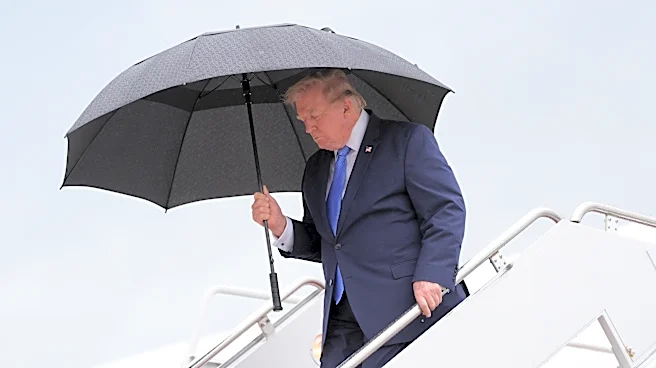
President Donald Trump has publicly criticized major oil companies, ExxonMobil and Chevron, for profiting significantly from the ongoing Iran war, which has led to elevated global fuel costs. Speaking from the Oval Office, President Trump urged these
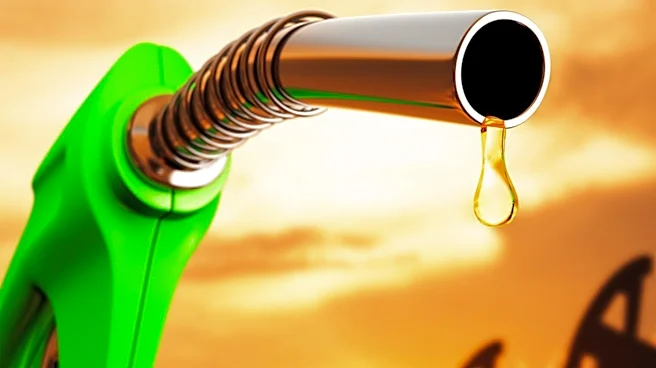
companies to lower their retail prices or share their windfall profits with consumers. The president's comments come amid soaring global oil prices, exacerbated by disruptions in the Strait of Hormuz, a critical passage for global oil shipments. This situation has resulted in substantial earnings for Exxon and Chevron, with Exxon reporting $14.5 billion in profits for the second quarter, more than double the previous year, and Chevron's net income increasing by 380% to $12.1 billion. The American Petroleum Institute has rejected accusations of price-gouging, emphasizing the complexity of gasoline pricing during global disruptions.
Why It's Important?
The president's remarks highlight the tension between government expectations and corporate profit strategies during geopolitical crises. The call for oil companies to reduce prices or share profits underscores the administration's concern over consumer impact amid high fuel costs. This situation also raises questions about the role of government intervention in market dynamics, especially in the energy sector. The potential for a windfall tax or other regulatory measures could affect the oil industry's operations and profitability. Additionally, the situation reflects broader economic implications, as high fuel prices can influence inflation and consumer spending, impacting the overall U.S. economy.
What's Next?
The administration may consider further actions to address high fuel prices, including potential regulatory measures or public pressure on oil companies. The Department of Justice has already urged states to investigate potential misconduct in the oil market. The ongoing geopolitical tensions and their impact on oil supply and pricing will likely continue to be a focus for both the government and the energy industry. Stakeholders, including consumers, businesses, and policymakers, will be closely monitoring developments and potential government responses.