






What's Happening?
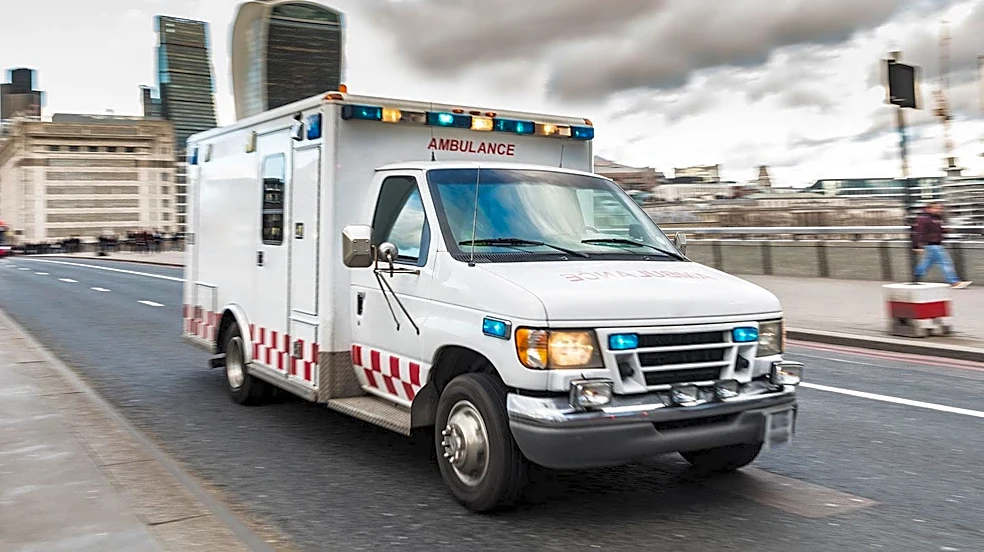
New York City lawmakers are set to hold a joint oversight hearing on Tuesday to address growing concerns over ambulance response time delays across the five boroughs. The City Council's Committees on Hospitals and Fire and Emergency Management will examine
the increase in response times and hear testimony on the issue. This comes after a recent report from the New York City comptroller revealed that response times for life-threatening emergencies have increased by 41% over the past decade, rising by nearly four minutes. The problem gained significant attention following an incident where a Queens family reported that their 14-year-old son, suffering a stroke, waited approximately an hour for emergency medical assistance despite multiple 911 calls. The family ultimately drove him to a hospital themselves. The FDNY has acknowledged the issue, stating it is unacceptable and that they are working to improve staffing. An FDNY spokesperson also confirmed a thorough investigation into the 911 response for the Queens case, reviewing how calls were handled, classified, and dispatched.
Why It's Important?
The increasing ambulance response times in New York City pose a critical threat to public health and safety, directly impacting the well-being of its residents. Delays in emergency medical services can lead to severe health consequences, particularly in time-sensitive situations like strokes, heart attacks, or traumatic injuries, where every minute can be crucial for patient outcomes. The 41% increase in response times for life-threatening emergencies over the last decade, as highlighted by the city comptroller's report, indicates a systemic issue that could erode public trust in the city's emergency infrastructure. For the healthcare system, these delays can result in more complex and costly treatments for patients whose conditions worsen due to delayed care. Furthermore, the incident involving the Queens family underscores the potential for tragic outcomes and highlights the urgent need for effective solutions to ensure that emergency services are reliable and accessible to all New Yorkers. The City Council's scrutiny is vital to identify the root causes of these delays and implement policies that safeguard the health of the city's population.
What's Next?
The City Council hearing is expected to focus on identifying the causes of the delays, assessing their impact on emergency patients, and exploring potential solutions to improve response times citywide. Lawmakers will also consider proposed legislation, Introduction 990, sponsored by Joann Ariola. This measure would mandate New York City Emergency Management to issue public alerts whenever the FDNY's EMS system has more than 25 pending ambulance dispatches simultaneously. The FDNY has indicated its commitment to improving staffing and is conducting an internal investigation into specific incidents, suggesting that staffing adjustments and procedural reviews are likely next steps. The outcome of the hearing could lead to new policies, increased funding for EMS, or operational changes within the FDNY to enhance efficiency and accountability. Public and stakeholder reactions, including from patient advocacy groups and emergency medical personnel, will likely influence the legislative and administrative actions taken in response to these critical concerns.
Beyond the Headlines
The persistent rise in ambulance response times in New York City points to deeper systemic challenges within urban emergency services, extending beyond mere staffing shortages. It raises questions about the adequacy of current emergency infrastructure to meet the demands of a growing and aging population, as well as the impact of urban congestion on rapid deployment. The proposed legislation requiring public alerts for significant EMS backlogs could foster greater transparency and public awareness, but it also highlights a potential shift in how cities manage and communicate about critical service failures. This situation could prompt a broader reevaluation of emergency resource allocation, the integration of technology for more efficient dispatch and navigation, and the potential for community-based first responder programs. Ethically, the delays challenge the fundamental promise of timely emergency care, potentially exacerbating health disparities if certain neighborhoods or demographics are disproportionately affected. The long-term implications could include a decline in public confidence in municipal services and a push for innovative, perhaps even privatized, solutions if public systems continue to struggle.