


What's Happening?
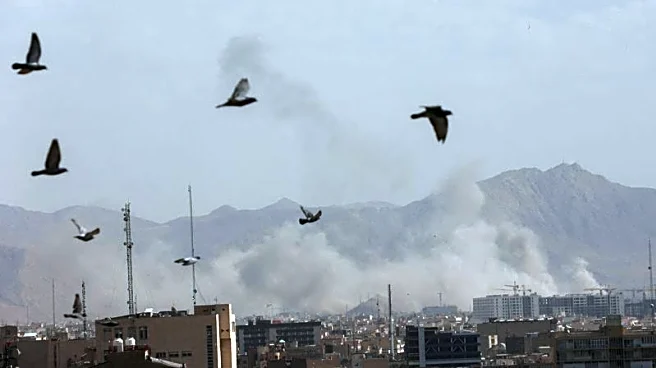
Hezbollah has claimed responsibility for a strike on Israel, which led to an Israeli counterattack targeting the Lebanese capital, Beirut. This escalation in hostilities has prompted increased security measures at religious sites in New York City. The
situation is part of a broader conflict involving the U.S., Israel, and Iran, with tensions rising in the region. The conflict has drawn international attention due to its potential to destabilize the Middle East further and impact global security dynamics.
Why It's Important?
The widening conflict between Hezbollah and Israel, with implications involving the U.S. and Iran, is significant due to its potential to affect international relations and security. The involvement of major global players like the U.S. and Iran could lead to broader geopolitical consequences, impacting diplomatic relations and regional stability. The increased security in New York City highlights the global reach of the conflict, as cities worldwide prepare for potential repercussions. This situation could influence U.S. foreign policy and military strategy in the Middle East, affecting international alliances and economic interests.
What's Next?
As the conflict escalates, further military engagements between Israel and Hezbollah are likely, with potential involvement from Iran and the U.S. Diplomatic efforts may intensify to de-escalate tensions and prevent a broader regional conflict. The international community, including the United Nations, may seek to mediate and propose resolutions to prevent further violence. In the U.S., government agencies and local authorities will continue to monitor the situation closely, adjusting security measures as needed to protect citizens and infrastructure.