




What's Happening?
Ukraine's Military Intelligence (HUR) agency has reported that Ukrainian airstrikes have rendered 15 of Russia's 38 major oil refineries inoperable, with an additional 12 operating at reduced capacity. This has resulted in an estimated $23.2 billion in economic
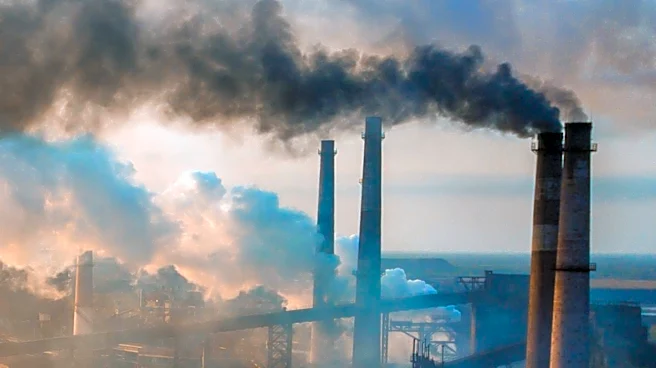
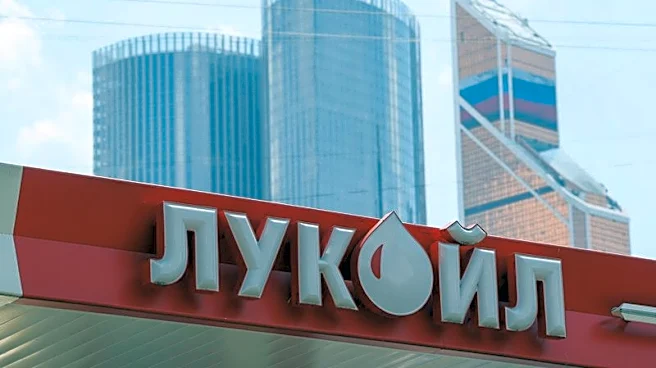
damage. The HUR's assessment, current as of late September 2026, indicates a 55.4% reduction in combined crude processing volumes at affected facilities compared to the beginning of the year. Key refineries impacted include Slavneft-YANOS, Kirishinefteorgsintez, the Ryazan Oil Refining Company, Gazprom Neft’s Moscow refinery, and Lukoil’s Permnefteorgsintez, which collectively represent about 33% of Russia’s total oil refining capacity. While refineries in more remote regions continue to operate, their ability to fully compensate for lost production is hampered by logistical challenges such as shortages of railway rolling stock and road tankers. Ukrainian President Volodymyr Zelensky has stated that Ukraine would cease attacks on Russian oil refineries if Moscow halted its strikes on Ukraine's energy infrastructure.
Why It's Important?
The extensive damage to Russian oil refining infrastructure has significant implications for Russia's economy and its ability to fund ongoing military operations. Oil and gas revenues are a critical source of funding for the Kremlin, and the reported $23.2 billion in damages represents a substantial portion of the sector's total income from the previous year. The reduction in refining capacity is leading to domestic fuel shortages in various Russian regions, including annexed Crimea, which could increase public discontent and economic strain within Russia. Furthermore, Russia's diminished refining capabilities complicate its ability to meet both domestic demand and international export commitments, potentially impacting global energy markets and Russia's standing as a major energy supplier. The situation also highlights the strategic importance of energy infrastructure in modern conflict, as both sides target these assets to gain leverage.
What's Next?
The ongoing Ukrainian strikes on Russian oil refineries are likely to continue unless a de-escalation agreement is reached, as proposed by Ukrainian President Volodymyr Zelensky. Russia will likely attempt to mitigate the impact by increasing production at unaffected refineries and potentially importing fuel through clandestine channels to circumvent sanctions, as alleged by HUR. However, logistical constraints and the sheer scale of the damage will make a full recovery challenging in the short term. The postponed maintenance at some operational plants until 2027 could further exacerbate future production issues. The international community will be closely watching how these disruptions affect global oil prices and supply chains, especially as Russia seeks to maintain its export revenues. The effectiveness of Russia's 'shadow fleet' in transporting oil will also remain a key factor in its ability to sustain exports.
Beyond the Headlines
The sustained targeting of Russian oil refineries by Ukraine underscores a shift in wartime strategy, emphasizing economic pressure as a critical component of conflict. This approach aims to degrade Russia's financial capacity to wage war, creating internal economic and social pressures that could influence the conflict's trajectory. The reported fuel shortages within Russia could lead to broader societal unrest, challenging the Kremlin's narrative of stability. Moreover, the situation highlights the vulnerabilities of critical national infrastructure to drone warfare, prompting other nations to reassess their own defensive capabilities against such threats. The alleged use of opaque arrangements by Russia to import fuel also points to the evolving cat-and-mouse game between sanctioning bodies and sanctioned nations, pushing the boundaries of international economic regulations and potentially fostering new illicit trade networks.