
What's Happening?
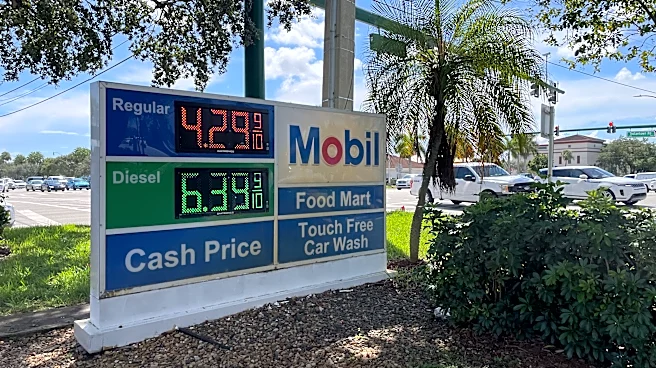
A recent AAA travel survey indicates that a significant number of Floridians are delaying their holiday travel bookings due to budget concerns and high gas prices. The national average for a gallon of regular
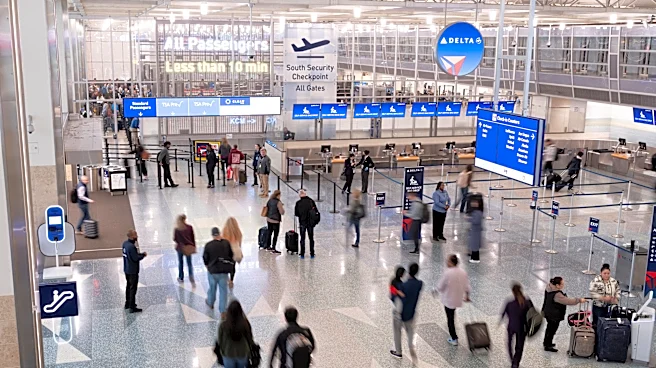
gas is $4.36, with Central Florida drivers facing prices as high as $4.39 per gallon. This represents a substantial increase from the national average of $3.18 per gallon a year ago. The survey found that 41% of people are holding off on planning their trips due to budget concerns, while 36% are waiting for lower prices. This trend is impacting not only road trips but also air travel, as increased jet fuel costs are driving up airline ticket prices. AAA spokesman Mark Jenkins advises against delaying bookings, as nearly half of those who waited in the past ended up paying more.
Why It's Important?
The delay in holiday travel bookings due to rising costs has several implications for the U.S. travel industry and consumers. For the travel sector, this could lead to a compressed booking window, potentially causing last-minute surges in demand or, conversely, a drop in overall travel if prices remain high. Consumers are already cutting back on other expenses, such as entertainment and food, to manage increased fuel costs, indicating a broader economic strain. The warning from AAA about potential price increases for delayed bookings highlights a dilemma for travelers: book now at current high prices or risk even higher costs later. This situation could disproportionately affect lower-income families, making holiday travel less accessible and impacting the traditional holiday travel season.
What's Next?
AAA recommends that travelers begin planning for Thanksgiving, Christmas, and New Year's travel now, even if their budgets are not fully set. Booking early offers more options for flights, hotels, and vacation packages, along with greater flexibility. For those looking to save money, AAA suggests traveling before or after peak holiday weeks, which can result in lower prices, fewer crowds, and reduced stress. However, many travelers are still hoping for price drops, a strategy that AAA warns could backfire, as past data shows nearly half of those who delayed booking paid more. The ongoing volatility in gas and jet fuel prices will likely continue to influence booking patterns and travel decisions in the coming months.
Beyond the Headlines
The current travel hesitancy reflects a broader economic sentiment where consumers are highly sensitive to price fluctuations, particularly in essential categories like fuel. This situation could accelerate shifts in travel behavior, with more people opting for shorter trips, closer destinations, or alternative modes of transport. It also underscores the interconnectedness of various economic factors; rising energy costs not only affect transportation but also ripple through other sectors, influencing household budgets and discretionary spending. The trend of delaying bookings in hopes of lower prices, despite warnings, suggests a level of consumer optimism or desperation that could lead to either significant savings for a few or increased costs for many, further highlighting the unpredictable nature of post-pandemic travel economics.