




What's Happening?
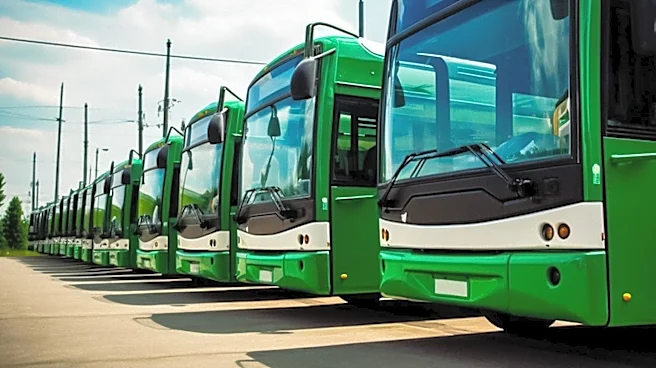
Small towns across the U.S. are increasingly focusing on multimodal transportation strategies to improve accessibility for residents who may not have consistent access to a car. This initiative aims to make essential destinations like grocery stores,
schools, and clinics reachable through walking, bicycling, and public transit, rather than solely relying on personal vehicles. The approach recognizes that while cars remain essential in rural areas due to long distances and dispersed populations, designing communities around universal car ownership is unrealistic. Many households may have only one vehicle, or some members may be unable to drive, afford a car, or simply prefer alternative modes of transport. Planners are identifying and addressing gaps in existing infrastructure, such as incomplete sidewalks, faded crosswalks, and missing ramps, to create continuous and safe routes. The goal is to ensure that the proximity of a destination translates into actual accessibility for all residents.
Why It's Important?
This shift in transportation planning holds significant importance for U.S. society and public policy. By prioritizing multimodal access, small towns can enhance the quality of life for vulnerable populations, including the elderly, low-income individuals, and those with disabilities, who often face significant barriers to mobility. Improved walkability and transit options can lead to better health outcomes by encouraging physical activity and reducing reliance on sedentary travel. Economically, it can stimulate local businesses by making them more accessible to a wider customer base and potentially reducing household transportation costs. For public policy, it underscores the need for comprehensive planning that integrates transportation with land use, housing, and social services. This approach challenges the traditional car-centric urban planning model, advocating for more inclusive and sustainable community designs that benefit a broader spectrum of residents and foster stronger local economies.
What's Next?
The immediate next steps for small towns involve conducting thorough inventories of existing transportation infrastructure and identifying critical missing connections. This includes engaging with residents, employers, schools, and service providers to understand specific travel needs and challenges. Communities will then prioritize a small set of improvements, coordinating them with scheduled street and utility work to maximize efficiency. Development requirements will be reviewed to ensure future projects contribute to, rather than detract from, multimodal access. Each priority will be assigned a lead agency, a funding approach, and a decision timeline. The success of these initiatives will be measured not just by infrastructure built, but by the tangible improvements in residents' ability to complete essential trips, such as getting to school, work, or medical appointments reliably. This ongoing process will require continuous evaluation and adaptation to meet evolving community needs.
Beyond the Headlines
The emphasis on multimodal transportation in small towns delves into deeper societal implications beyond mere infrastructure improvements. It challenges the cultural norm of car dependency, promoting a more holistic view of community design where human-centric mobility is valued. This approach can foster greater social equity by ensuring that all residents, regardless of their ability to drive or own a car, can participate fully in community life. Legally, it reinforces the principles of accessibility mandated by acts like the ADA, pushing for practical implementation in everyday urban planning. Environmentally, reducing reliance on individual vehicles can contribute to lower carbon emissions and improved air quality, aligning with broader climate goals. The long-term shift could redefine the character of small towns, transforming them into more vibrant, connected, and sustainable places where quality of life is enhanced through thoughtful and inclusive transportation choices, ultimately strengthening community bonds and local economies.