




What's Happening?
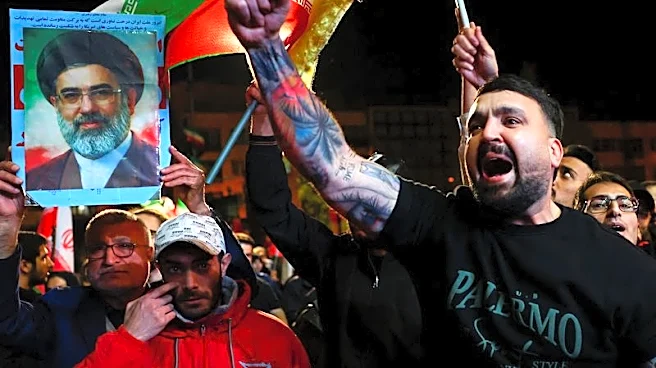
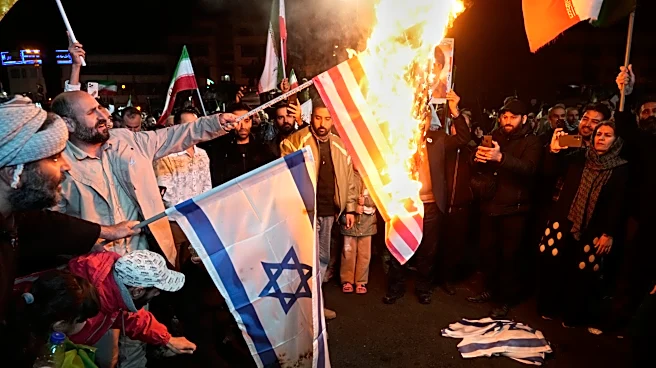
The Gulf States have expressed support for a ceasefire agreement between the United States, Israel, and Iran, despite ongoing missile and rocket attacks from Iran. Oman and Saudi Arabia were among the first to welcome the ceasefire, which aims to halt
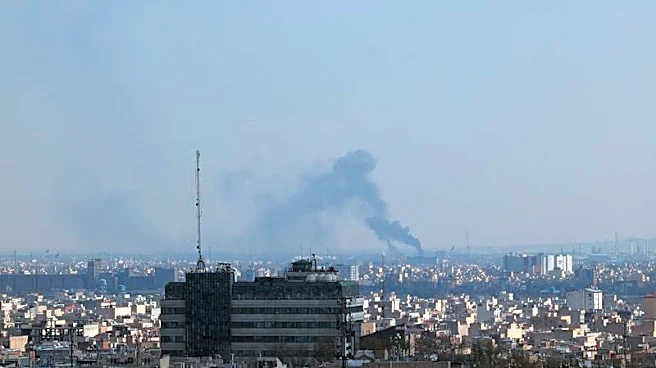
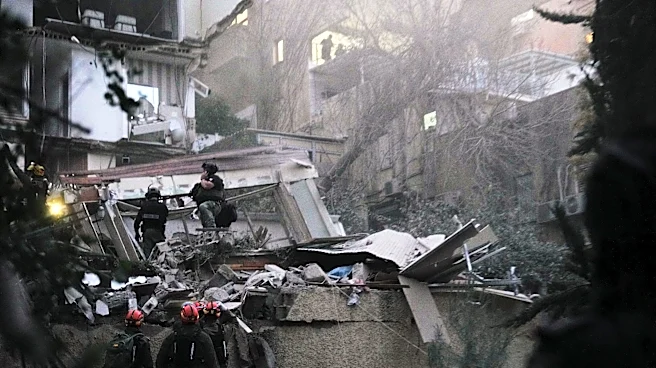
fighting for two weeks and initiate negotiations in Islamabad, Pakistan. Saudi Arabia has called for an end to attacks on Gulf facilities, as missile strikes continue in Bahrain and the United Arab Emirates. Iranian proxy groups, including Iraq's Islamic Resistance and Lebanon's Hezbollah, have acknowledged the ceasefire. However, Iran continues to launch rockets and drones at Gulf targets, causing injuries and damage in the UAE and Bahrain.
Why It's Important?
The ceasefire agreement is significant as it represents a potential de-escalation in tensions between the United States, Israel, and Iran, which have implications for regional stability. The Gulf States, heavily reliant on oil exports, are directly affected by the conflict, particularly with attacks on critical infrastructure like the Abu Dhabi Haabshan gas complex. The ongoing hostilities threaten the security of global supply chains, especially through the Strait of Hormuz, a vital passage for oil shipments. The ceasefire could pave the way for diplomatic negotiations, potentially reducing the risk of further military escalation and fostering a more stable environment for international trade.
What's Next?
Negotiations are set to begin in Islamabad, Pakistan, which could lead to a more permanent resolution if successful. The Gulf States are likely to continue advocating for the security of their facilities and the Strait of Hormuz. The international community will be watching closely to see if Iran adheres to the ceasefire and if proxy groups maintain their halt in attacks. The outcome of these negotiations could influence future diplomatic relations and economic stability in the region.
Beyond the Headlines
The ceasefire highlights the complex geopolitical dynamics in the Middle East, where regional powers like Saudi Arabia and Iran vie for influence. The involvement of proxy groups underscores the multifaceted nature of the conflict, where non-state actors play significant roles. The situation also raises questions about the effectiveness of international diplomacy in resolving long-standing regional disputes and the role of external powers like the United States in Middle Eastern affairs.