



What's Happening?
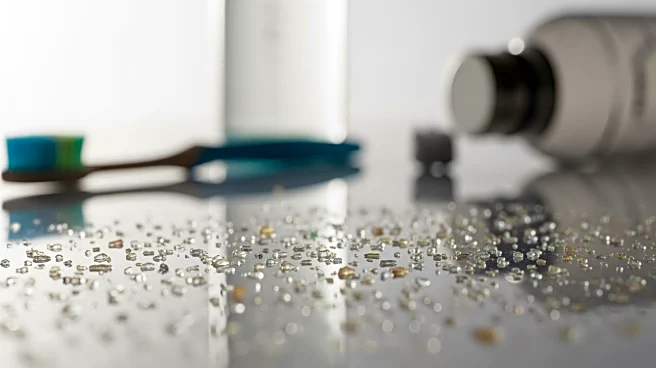
Recent discussions have highlighted the growing concern over microplastics found in everyday items such as plastic water pitchers, retainers, and toothbrushes. Studies have detected microplastics in human tissues, including blood and lungs, raising questions
about their long-term health impacts. A notable study published in 2024 linked microplastics in coronary artery plaques to increased risks of heart attacks and strokes. Despite these findings, the exact health effects remain unclear, and no proven methods exist to remove microplastics from the body. Experts suggest that while the body can eliminate some microplastics naturally, smaller particles pose a greater risk as they are more readily absorbed. Practical advice includes avoiding heating food in plastic and considering alternatives like glass or stainless steel for storage.
Why It's Important?
The presence of microplastics in human tissues and their potential health impacts underscore the need for increased awareness and research. As microplastics are prevalent in many consumer products, understanding their effects is crucial for public health. The findings could influence regulatory policies on plastic use and drive innovation in developing safer alternatives. Consumers may need to adjust their habits to minimize exposure, impacting industries related to food packaging, dental care, and household goods. The issue also highlights the broader environmental challenge of plastic pollution, prompting calls for sustainable practices and materials.
What's Next?
Further research is needed to clarify the health implications of microplastics and develop effective removal strategies. Regulatory bodies may consider stricter guidelines on plastic use in consumer products. Public health campaigns could focus on educating consumers about reducing exposure. The scientific community is likely to continue exploring the mechanisms by which microplastics affect human health, potentially leading to new insights and solutions. As awareness grows, industries may face pressure to innovate and offer safer, more sustainable products.