
What's Happening?
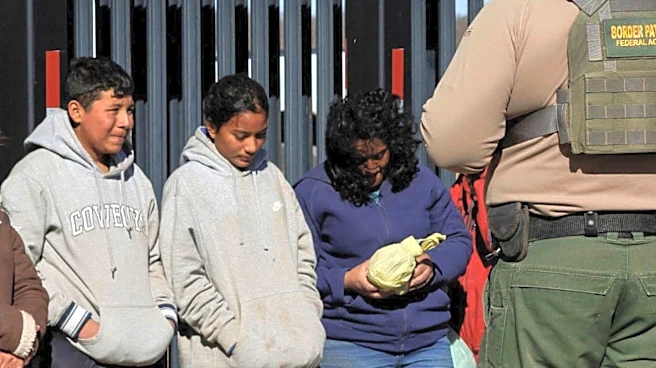
Individuals fleeing danger in their home countries and seeking protection in the United States are categorized as asylum seekers while their applications are pending. These individuals, often referred
to as 'illegal immigrants' by some, are in the initial stages of a process that could lead to asylee status and eventually citizenship. U.S. law permits asylum seekers to apply for work permits, enabling them to legally support themselves during the lengthy adjudication process. However, despite having valid work permits, some asylum seekers are being detained by Immigration and Customs Enforcement (ICE). A specific case highlights a Honduran teenager fleeing gang violence who, despite having a valid work permit, was arrested and detained by ICE, leading him to withdraw his asylum request and return to his home country due to the prospect of indefinite detention. This illustrates a significant challenge within the current asylum system, where individuals are often locked up in immigration prisons, which are described as 'immigrant warehouses,' rather than facilities for convicted criminals.
Why It's Important?
This situation underscores critical issues within the U.S. immigration system, particularly concerning the treatment of asylum seekers. The detention of individuals with valid work permits, who are following legal procedures, raises questions about due process and humanitarian considerations. The practice of detaining asylum seekers can lead to severe psychological distress, loss of livelihood, and ultimately, the abandonment of legitimate asylum claims, forcing individuals back into dangerous situations. This approach also places a financial burden on the public, as taxpayers often cover the upkeep of detained individuals who could otherwise be self-sufficient through work permits. The distinction between a civil violation (entering without permission) and a criminal act is often blurred in public perception and enforcement, leading to what some view as the unjust incarceration of non-criminals. This impacts the U.S.'s reputation as a country that upholds human rights and provides refuge.
What's Next?
The ongoing debate surrounding immigration and asylum policies is likely to continue, with calls for reform from various advocacy groups and legal professionals. There may be increased legal challenges to the detention practices of ICE, particularly concerning asylum seekers who possess valid work permits. Public awareness campaigns could also highlight the human cost of current policies, potentially influencing public opinion and political pressure for change. Lawmakers may be prompted to re-evaluate the balance between border enforcement and humanitarian obligations, possibly leading to legislative proposals aimed at streamlining the asylum process, reducing detention, and ensuring that asylum seekers can work while awaiting decisions. The outcome will depend on political will, judicial rulings, and the sustained efforts of those advocating for more humane immigration policies.
Beyond the Headlines
The deeper implications of these practices extend to the fundamental principles of justice and compassion. The narrative often conflates 'illegal immigrant' with 'criminal,' which is a significant misunderstanding, as unauthorized entry is typically a civil, not criminal, offense. This mischaracterization fuels public sentiment that supports harsh enforcement measures, even against individuals fleeing persecution. The psychological toll on asylum seekers, who endure indefinite detention and the loss of hope, is immense and often overlooked. Furthermore, the economic contribution of asylum seekers, who are willing to work and contribute to the economy, is lost when they are detained or forced to withdraw their applications. This situation reflects a broader societal challenge in reconciling national security and border control with humanitarian values and international legal obligations, highlighting a moral dilemma at the heart of U.S. immigration policy.