





What's Happening?
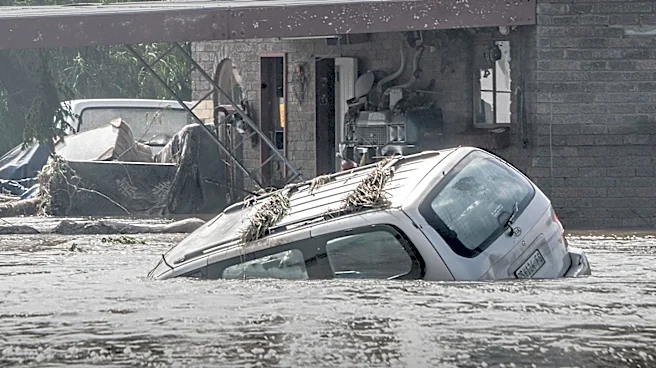
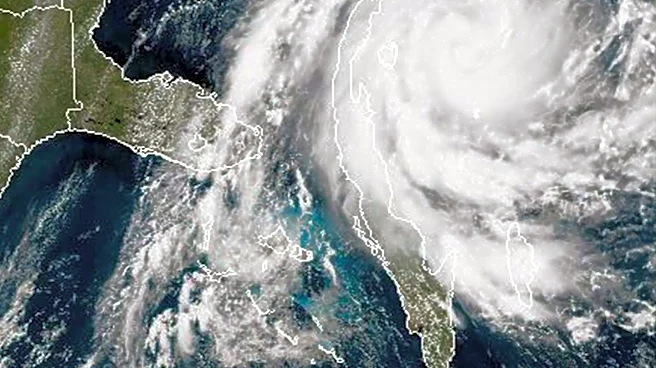
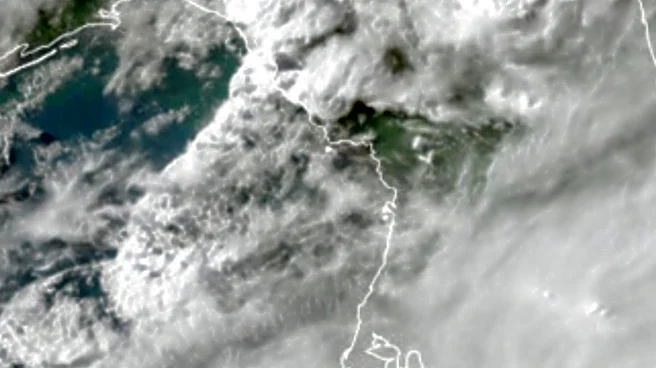
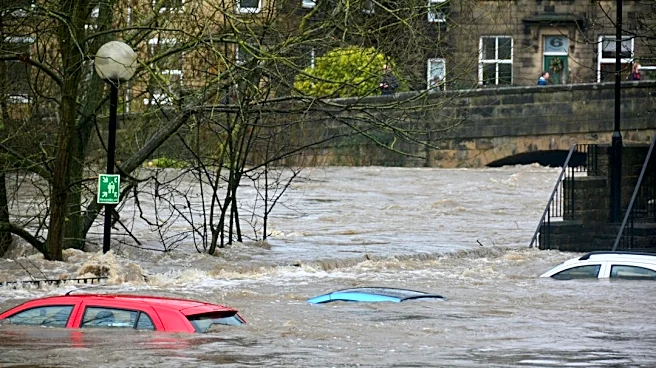
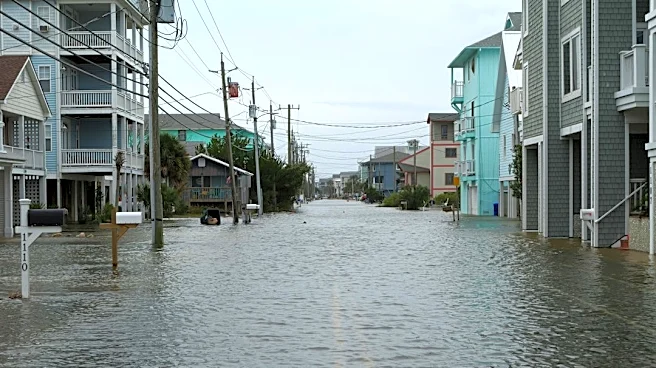
A 150-acre chimpanzee sanctuary in Fort Pierce, Florida, remains flooded days after historic storms brought record rainfall to parts of the Space Coast, beginning on November 1, 2026. Back-to-back 1,000-year rainfall events on Sunday and Monday caused
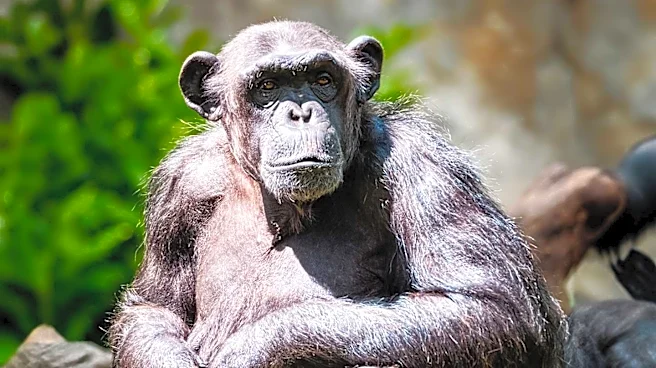
widespread flash flooding, inundating neighborhoods in Melbourne, Port St. Lucie, and Palm Bay. At the Save the Chimps sanctuary, workers have resorted to using drones to deliver food and blankets to the over 200 rescued chimpanzees. While all chimpanzees are safe in elevated care houses, the facility is only accessible by large off-road vehicles, as floodwaters have rendered golf carts, typically used for deliveries, inoperable. An overflowing canal is preventing the floodwaters from receding, posing significant challenges for staff to access the property and carry out their duties.
Why It's Important?
The flooding of the Save the Chimps sanctuary highlights the severe impact of extreme weather events on animal welfare and conservation efforts in Florida. The reliance on drones for essential deliveries underscores the logistical challenges faced by non-profit organizations during natural disasters, potentially straining their resources and operational capabilities. This situation also brings attention to the broader issue of climate change and its role in increasing the frequency and intensity of such '1,000-year' rainfall events, which can have devastating consequences for both human and animal populations. The need for resilient infrastructure and emergency response plans for animal sanctuaries becomes critical in areas prone to severe weather.
What's Next?
The director of the Save the Chimps sanctuary is scheduled to speak at the next local water district meeting on Monday, likely to address the ongoing flooding issues and seek solutions for the overflowing canal that is preventing water from receding. Staff are currently utilizing a donated high-water rescue vehicle and pickup trucks to transport food and supplies, indicating a continued need for external support and resources. The sanctuary will likely focus on long-term solutions for flood mitigation and improved emergency preparedness to protect its chimpanzee residents from future extreme weather events. Community and governmental support will be crucial for their recovery and future resilience.
Beyond the Headlines
This incident raises ethical considerations regarding the care of rescued animals in vulnerable environments and the responsibilities of communities and governments to protect such sanctuaries. The use of drones for animal care, while innovative, also points to the increasing role of technology in disaster response and humanitarian aid. Furthermore, the event could prompt a re-evaluation of land use and water management policies in flood-prone regions of Florida, especially concerning areas that house sensitive populations or critical conservation efforts. The long-term psychological impact of such events on the chimpanzees, despite their physical safety, is also a less obvious implication that warrants consideration.