




What's Happening?
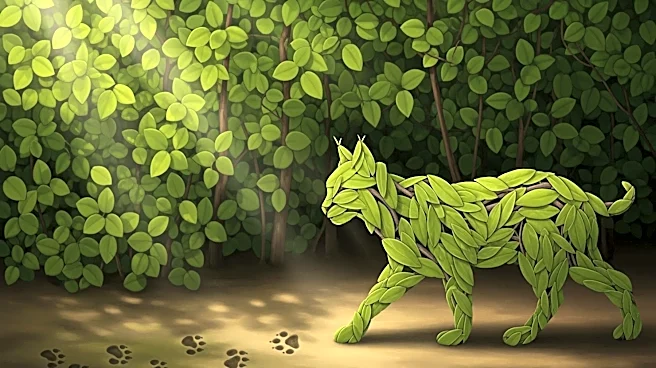
Biologists on Kiawah Island have discovered the first bobcat den of the 2026 season, marking a hopeful sign of recovery for the local bobcat population. The den contains two baby bobcats, a male and a female. This discovery follows a significant decline
in the bobcat population from 2017 to 2020, attributed to the use of second-generation anticoagulant rodenticides. These poisons, commonly used in bait boxes, were linked to several bobcat deaths. In response, the town implemented the Bobcat Guardian Program in 2020, encouraging residents and businesses to cease using these rodenticides. The program aims to protect and restore the bobcat population on the island.
Why It's Important?
The recovery of the bobcat population on Kiawah Island is significant for local biodiversity and ecosystem health. Bobcats play a crucial role in controlling rodent populations, and their presence indicates a balanced ecosystem. The success of the Bobcat Guardian Program demonstrates the impact of community-driven conservation efforts. This case could serve as a model for other regions facing similar wildlife challenges. The reduction in rodenticide use not only benefits bobcats but also other wildlife and the environment, highlighting the importance of sustainable pest control practices.