





What's Happening?
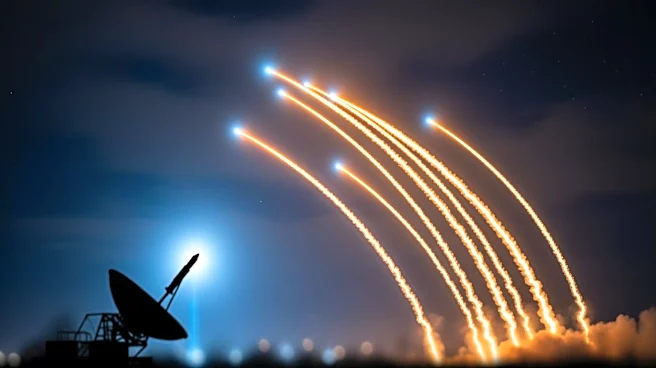
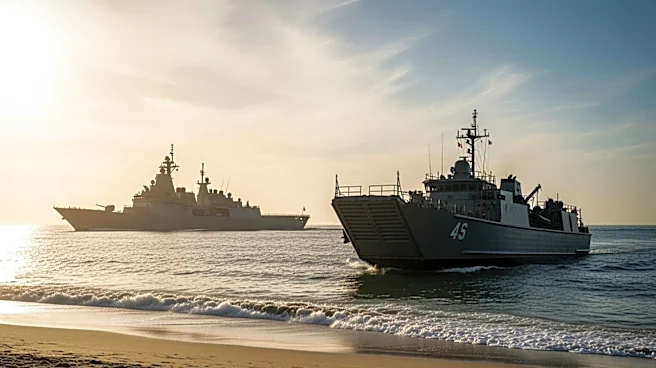
In a demonstration of military readiness, U.S., Filipino, and Japanese forces conducted a joint exercise in the South China Sea as part of the annual Balikatan military exercise. The training involved counter-landing live-fire drills, simulating an amphibious
assault. The exercise aimed to enhance coordination among the forces, utilizing advanced technology such as drones and HIMARS launchers. The exercise is part of a broader strategy to deter military aggression in the Pacific region, particularly from China, and to strengthen alliances.
Why It's Important?
This exercise underscores the strategic importance of the Pacific region and the U.S.'s commitment to maintaining stability and security in the area. By enhancing military cooperation with allies, the U.S. aims to deter potential aggression from China and ensure freedom of navigation in critical waterways. The use of advanced technology in the exercise highlights the ongoing modernization of military capabilities, which is crucial for maintaining a competitive edge in the region.
What's Next?
The U.S. and its allies are expected to continue conducting joint military exercises to further enhance interoperability and readiness. These efforts will likely be accompanied by diplomatic initiatives to strengthen alliances and partnerships in the region. The focus will remain on deterring aggression and ensuring stability in the Indo-Pacific.