



What's Happening?
U.S. Senators Bernie Sanders and Peter Welch of Vermont have written a letter to Dennis Rodenbaugh, President and CEO of Dairy Farmers of America (DFA), urging the cooperative to keep its St. Albans dairy processing plant open and to reach a fair agreement
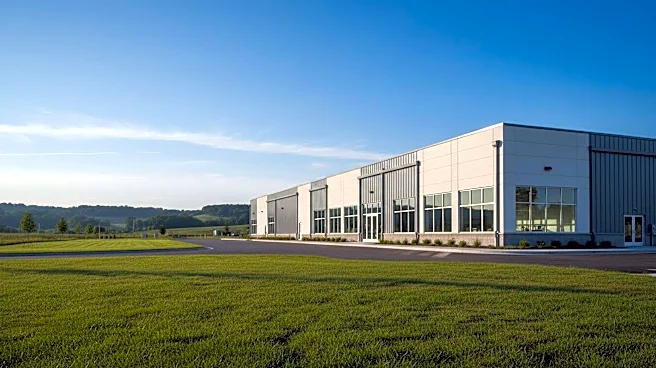
with the union. This intervention comes after a federal judge issued a temporary restraining order to halt the plant's planned closure, which was set for Monday. The Teamsters Local No. 597 union filed a complaint alleging that DFA's decision to idle the plant was an illegal act of retaliation following a strike last year. The union claims supervisors indicated the closure was linked to the strike and cited an internal memo labeling 'union decertification' as the primary reason. DFA has denied these allegations, stating that the closure is due to broader operational and network changes, not union activities. The temporary order will last for five days, with a hearing scheduled for Thursday afternoon where the union will seek a longer stay.
Why It's Important?
The potential closure of the St. Albans dairy plant carries significant implications for Vermont's agricultural sector and the broader dairy industry. Senators Sanders and Welch highlighted that Vermont's family dairy farms are already facing immense economic pressures, and losing a crucial processing infrastructure would create another serious challenge. The closure could lead to steeper costs for dairy farmers who were not consulted on the decision, impacting their ability to connect to markets. This situation also underscores the ongoing tensions between labor unions and large agricultural cooperatives, with the union alleging retaliation for past strike activities. The outcome of this dispute could set a precedent for how similar labor-management conflicts are handled in the agricultural processing sector, affecting job security and the economic stability of rural communities dependent on these facilities.
What's Next?
A federal court hearing is scheduled for Thursday afternoon, where Teamsters Local No. 597 will argue for a longer stay of the plant's closure until their grievances are resolved in accordance with collective bargaining agreements. The outcome of this hearing will determine the immediate future of the St. Albans plant and its employees. Beyond the court's decision, the dispute could lead to further negotiations between DFA and the union, potentially involving federal mediation. The senators' intervention suggests continued political pressure on DFA to consider the economic impact on Vermont's dairy farmers. If the plant ultimately closes, it will necessitate adjustments for local dairy farmers to find alternative processing options, potentially increasing their operational costs and affecting the supply chain for dairy products in the region.
Beyond the Headlines
This incident highlights the complex interplay between corporate business decisions, labor rights, and regional economic stability. The union's allegation of retaliation raises ethical and legal questions about corporate conduct in response to organized labor activities. The alleged internal memo, if proven authentic, could expose a deliberate strategy to undermine unionization, which would have significant legal ramifications under U.S. labor law. Furthermore, the situation reflects a broader trend of consolidation within the dairy industry, as noted by Jesse Case of the Teamsters Food Processing Division. Such consolidation can lead to fewer processing options for farmers, increasing their vulnerability to market fluctuations and corporate decisions. The long-term implications could include a shift in the power dynamics between large agricultural corporations and individual farmers, potentially leading to greater calls for regulatory oversight or support for local processing initiatives.