

What's Happening?
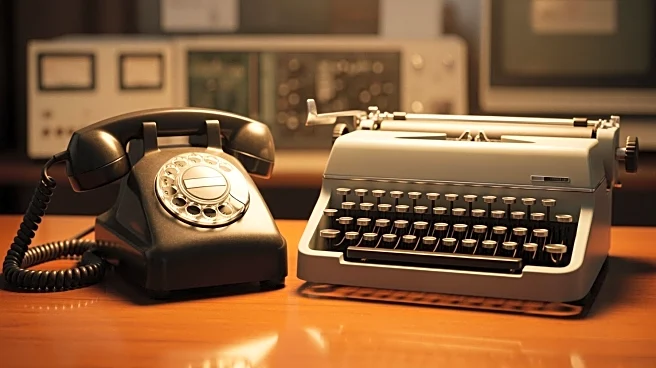
The University of Wisconsin-Milwaukee has established a 'Retrolab' to provide students with hands-on experience of technology from the 1980s, 1990s, and early 2000s. This initiative, led by history professor Thomas Haigh, aims to bridge the gap between
current students and the technology of past decades, which many students have never encountered firsthand. The lab is stocked with vintage computers, software, and gaming consoles, allowing students to experience the tactile and operational aspects of older technology. The Retrolab is part of a broader effort to help students understand the evolution of computing and communication technology, and to inspire them to think about the future of technology. The lab's collection includes items sourced from eBay, university surplus, and faculty donations, and is available for use by students, researchers, and the public.
Why It's Important?
The Retrolab at UW-Milwaukee is significant as it provides a unique educational experience that connects students with the technological past, fostering a deeper understanding of how technology has evolved. This hands-on approach can enhance students' appreciation for the complexities and challenges of earlier technologies, which can inform their perspectives on current and future technological developments. By engaging with vintage technology, students can gain insights into the design and functionality of past systems, which may inspire innovative thinking and problem-solving skills applicable to modern technology challenges. Additionally, the lab serves as a cultural and historical resource, preserving the legacy of early computing and gaming technologies for future generations.
What's Next?
The Retrolab is expected to continue expanding its collection and offerings, potentially incorporating more interactive and educational programs. As interest in retro technology grows, the lab may host workshops, seminars, and collaborative projects that explore the intersection of technology, history, and culture. The lab's success could inspire similar initiatives at other educational institutions, promoting a broader appreciation for the history of technology and its impact on society. Furthermore, the Retrolab may collaborate with other universities and organizations to share resources and expertise, enhancing its role as a center for retro technology research and education.