



What's Happening?
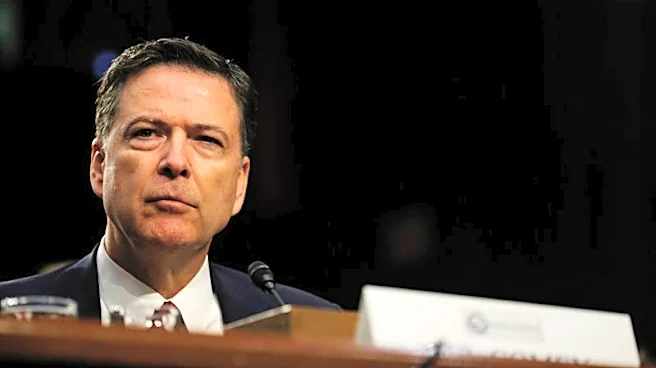
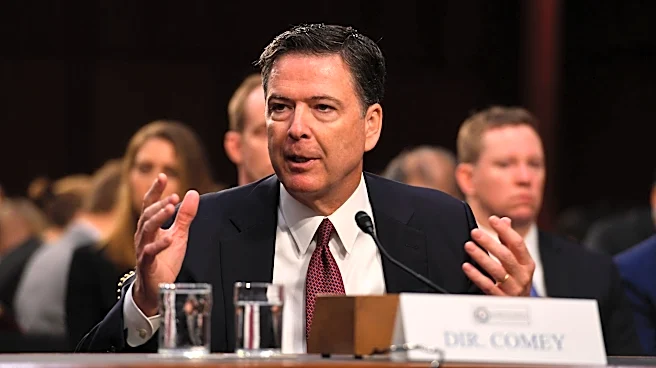
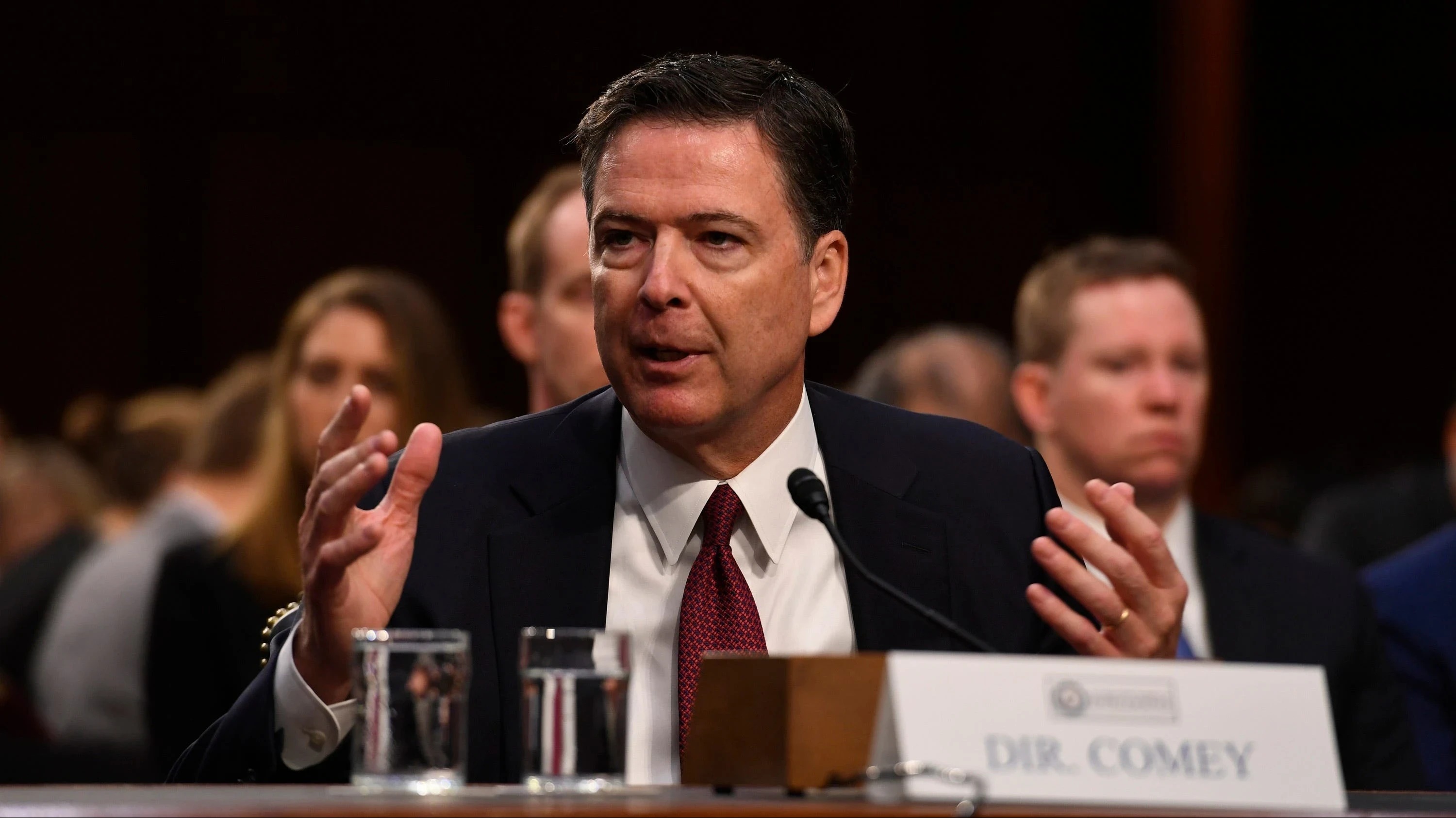
A federal judge unsealed a criminal information with two counts under the Espionage Act against former FBI Director James Comey on October 26. The charges accuse Comey of knowingly and willfully communicating, and conspiring to communicate, national defense
information to an unauthorized person. The government filed this information under seal on October 5, without a grand jury indictment, exactly ten years after the alleged disclosure. The information claims Comey, through one or more co-conspirators, arranged for an unnamed individual to share national defense information with a reporter for a national news publication. Comey filed an emergency motion to dismiss on October 9, followed by a full motion to dismiss on October 16. He argues that Section 19 of the Internal Security Act, which extends the limitations period for Espionage Act offenses to ten years, applies only to grand jury indictments, meaning the standard five-year deadline for an information passed in 2021. This is the third federal criminal case against Comey since September 2025, with previous cases involving charges of making a false statement to Congress and obstructing a congressional proceeding, and threatening the president.
Why It's Important?
This case is significant as it involves the application of the Espionage Act against a former high-ranking U.S. official, raising questions about the handling of classified information and the boundaries of public disclosure. The legal debate centers on the interpretation of Section 19 of the Internal Security Act and whether a criminal information, rather than a grand jury indictment, can extend the statute of limitations for Espionage Act offenses. The government's argument that a New York Times article from October 5, 2016, contained first-time disclosures of classified information, allegedly stemming from Comey's directive to staff, highlights the tension between national security and press freedom. The outcome of this case could set a precedent for future prosecutions under the Espionage Act, particularly concerning disclosures by government officials. It also underscores the ongoing scrutiny of actions taken by former government leaders and the potential legal ramifications years after their tenure.
What's Next?
The legal proceedings are ongoing, with Comey maintaining his argument that Section 19 requires an indictment and disputing the government’s account of the leak. The government, in its October 23 opposition, argues that Section 19’s ten-year period can be satisfied by an information. Comey's reply, filed on October 27, cites the 2022 trial testimony of then-FBI General Counsel James Baker, who stated he believed the information was no longer classified and that the FBI Director and the Director of National Intelligence had authorized the disclosure. The Fourth Circuit is currently reviewing the government's appeal in Comey's first federal criminal case, which was dismissed due to an unlawfully appointed prosecutor. Pretrial motions are also underway in his second case, which charges him with threatening the president. The court will need to rule on Comey's motions to dismiss, which will determine if the Espionage Act charges proceed to trial. The legal interpretations and rulings in these cases will have significant implications for future prosecutions involving classified information and government transparency.
Beyond the Headlines
The prosecution of a former FBI Director under the Espionage Act delves into complex ethical and legal dimensions surrounding national security, government transparency, and the role of the press. The case highlights the inherent conflict between the government's need to protect classified information and the public's right to know, especially when information is deemed to be in the public interest. The debate over the statute of limitations and the validity of an information versus an indictment under the Espionage Act could redefine legal interpretations of the act, potentially impacting how future whistleblowers or officials who disclose information are treated. Furthermore, the case touches upon the broader political climate and the ongoing scrutiny of actions by past administrations, raising questions about the weaponization of legal processes for political ends. The outcome could influence the willingness of government officials to communicate with the press and the ability of journalists to report on sensitive national security matters.