




What's Happening?
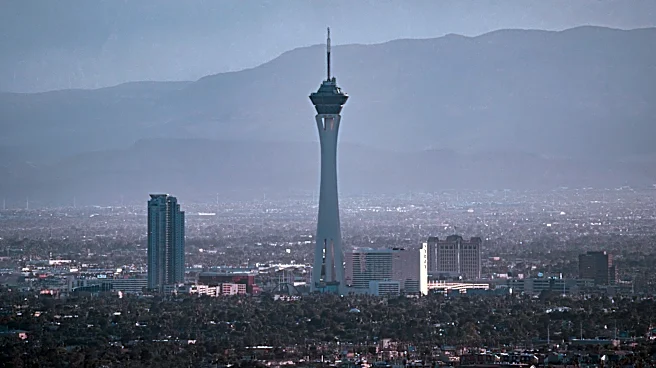
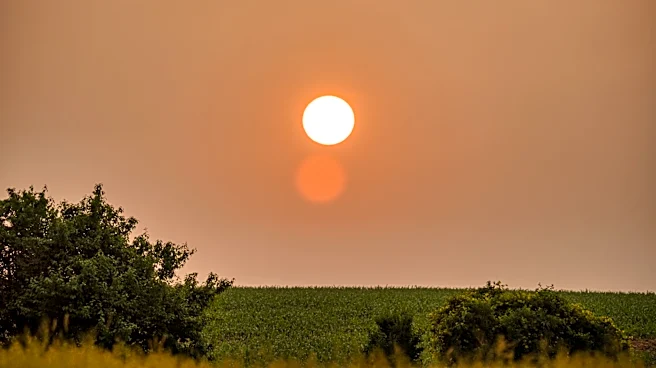
The extreme heat warning for Las Vegas concluded on Friday evening, following a day that saw a new record high temperature of 111°F, surpassing the 2017 record of 110°F. The overnight low also set a new record, only cooling to 90°F. While the extreme heat warning has
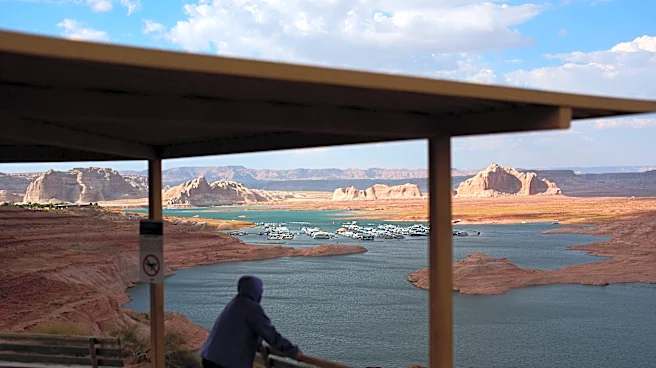
been lifted, temperatures are expected to remain above normal, though by a few degrees. The region is also anticipating the return of significant wind and wind gusts over the weekend. Gusts in Las Vegas are projected to reach at least 30 MPH on Saturday and 26 MPH on Sunday. These winds will also affect Lake Mead, where temperatures are still high at 106°F, with 25 MPH gusts creating wave heights up to 1.5 feet. The Spring Mountains will also experience winds of 23 MPH, with temperatures in the mid to upper 80s. Despite monsoon moisture in the vicinity, rain is not expected in the immediate Las Vegas area. The UV index for Saturday is rated as 9, indicating a very high risk.
Why It's Important?
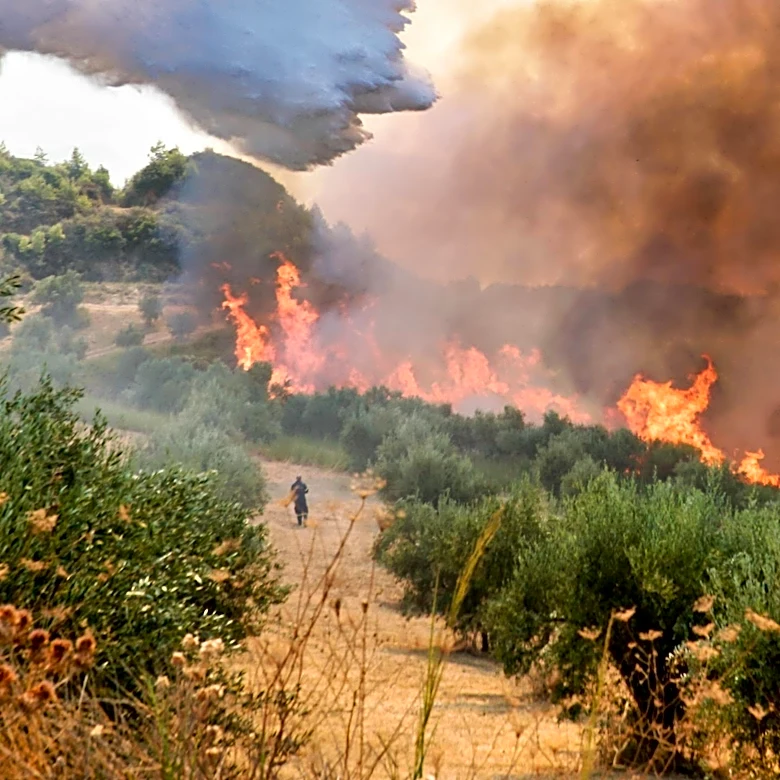
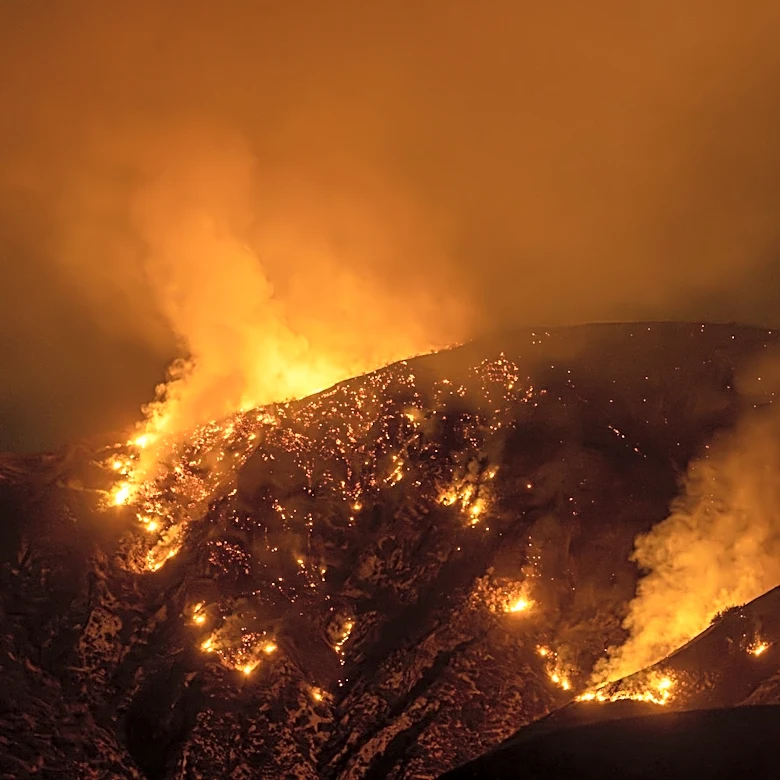
The persistence of above-normal temperatures and the introduction of strong winds in the Las Vegas area carry several important implications for public safety, local infrastructure, and economic activities. The continued high temperatures, even without an official extreme heat warning, still pose health risks, particularly for vulnerable populations, necessitating continued vigilance regarding hydration and heat exposure. The increased wind speeds could exacerbate fire danger, especially in dry desert environments, and potentially impact outdoor events and construction. For Lake Mead, the combination of high temperatures and strong winds could affect recreational activities, creating hazardous conditions for boaters due to increased wave heights. Economically, the weather conditions might influence tourism, a major industry for Las Vegas, as visitors may alter outdoor plans. The strain on the power grid, while potentially lessened by the end of the extreme heat warning, could still be a concern with sustained high temperatures and increased demand for cooling. The lack of rain despite monsoon moisture also highlights ongoing drought concerns and water management challenges in the region.
What's Next?
Residents and visitors in Las Vegas should prepare for continued warm conditions and increased wind activity throughout the weekend. Authorities will likely continue to advise precautions against heat-related illnesses, such as staying hydrated and avoiding prolonged outdoor exposure during peak heat hours. The wind gusts will necessitate securing loose outdoor items and exercising caution for those engaging in outdoor activities, particularly around Lake Mead. Local weather services will monitor the wind conditions closely, and advisories for boaters or those in wind-prone areas may be issued. Emergency services will remain on alert for potential wind-related incidents, such as power outages or increased fire risk. Looking ahead, the forecast suggests a gradual cooldown, but the immediate focus will be on managing the current combination of elevated temperatures and strong winds. The absence of rain from the monsoon moisture indicates that water conservation efforts will remain a critical long-term priority for the region.
Beyond the Headlines
The recurring pattern of extreme heat and the subsequent shift to windy conditions in Las Vegas underscore broader climate trends impacting arid regions in the U.S. The consistent breaking of temperature records highlights the increasing frequency and intensity of heatwaves, which can have long-term effects on public health infrastructure, energy consumption, and water resources. The interplay between heat and wind also presents complex environmental challenges, such as accelerated evaporation from water bodies like Lake Mead, further stressing water supplies. This situation prompts deeper discussions about urban planning in desert cities, including the need for more heat-resilient infrastructure, expanded green spaces, and advanced early warning systems for extreme weather. The community's adaptation to these changing weather patterns, from individual behaviors to municipal policies, will be crucial in mitigating the impacts of a warming climate. The ongoing weather events serve as a tangible reminder of the need for sustainable practices and climate adaptation strategies in vulnerable regions.