









What's Happening?
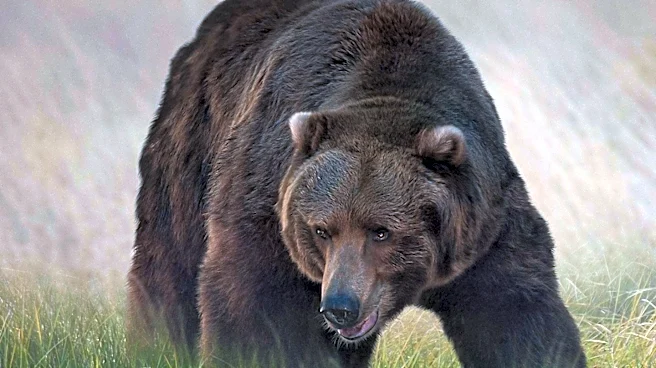
The U.S. Fish and Wildlife Service is preparing to transfer the management of the threatened grizzly bear from federal oversight to state control. This decision, announced by the Secretary of the Interior and governors from Idaho, Montana, and Wyoming,
aims to empower states with the responsibility of managing the grizzly bear populations. The proposal maintains the bears' status on the Endangered Species Act (ESA) list but shifts management duties to the states due to what officials describe as a successful recovery. However, this move has sparked criticism from environmental groups who argue that the decision is politically motivated and not based on scientific evidence. They express concerns about the bears' limited genetic diversity and the ongoing threats to their habitat, including climate change and habitat destruction. The Fish and Wildlife Service is reopening a 30-day public comment period on the revised proposal, which updates a previous rule from January 2025.
Why It's Important?
The decision to return grizzly bear management to the states is significant as it reflects a broader trend of decentralizing wildlife management from federal to state authorities. This shift could have substantial implications for conservation efforts and the future of grizzly bear populations in the U.S. States like Wyoming, Idaho, and Montana argue that they have met population targets and are capable of managing the species. However, environmentalists warn that state management may not adequately protect the bears, potentially leading to increased mortality rates and further habitat loss. The outcome of this decision could set a precedent for how other endangered species are managed in the future, impacting conservation policies and the balance of power between federal and state governments.
What's Next?
The Fish and Wildlife Service is expected to release its new proposal in the Federal Register soon, following the public comment period. The final rule must comply with the ESA and either revise or remove the entire listing for grizzly bears in the lower 48 states by December 18, 2026, as mandated by a federal court. Environmental groups are likely to continue their opposition, potentially leading to legal challenges. The states involved will need to prepare for the transition of management responsibilities, which may include developing new conservation strategies and policies to ensure the long-term survival of the grizzly bear populations.
Beyond the Headlines
This development raises questions about the role of science in wildlife management decisions and the potential influence of political agendas. The debate highlights the tension between conservation goals and state autonomy, as well as the challenges of managing species that cross state boundaries. The decision also underscores the importance of public engagement in environmental policy, as the outcome will be shaped by the feedback received during the comment period. Long-term, this shift could influence how other species are managed and the effectiveness of the ESA in protecting endangered wildlife.