







What's Happening?
Shift Work Sleep Disorder (SWSD) is a circadian rhythm sleep disorder affecting individuals whose work schedules conflict with their body's natural sleep-wake cycle. This condition is prevalent among various U.S. professions, including nurses, police
officers, manufacturing workers, and transportation personnel, who often work overnight, early-morning, or rotating shifts. The primary symptoms include difficulty falling or staying asleep during the day, significantly reduced total sleep, and excessive sleepiness or microsleeps during work hours. Beyond sleep disturbances, SWSD can lead to impaired concentration, slower reaction times, increased workplace errors, irritability, low mood, headaches, and digestive problems. Chronic circadian disruption associated with SWSD is linked to higher rates of accidents, weight gain, high blood pressure, metabolic issues, and depression, with drowsy driving after night shifts being a particular concern.
Why It's Important?
SWSD represents a critical public health and safety issue in the U.S., impacting a substantial portion of the workforce and carrying significant economic and societal costs. The prevalence of SWSD in essential sectors like healthcare, emergency services, and transportation means that impaired performance due to sleep deprivation can have severe consequences, including increased accidents, medical errors, and reduced productivity. For businesses, this translates to higher operational risks, potential legal liabilities, and decreased efficiency. For the healthcare system, SWSD contributes to a rise in chronic diseases among affected workers, increasing demand for medical services and associated costs. Addressing SWSD is crucial for improving worker well-being, enhancing workplace safety, and mitigating the broader economic burden associated with sleep-related health issues. It highlights the need for comprehensive strategies that support shift workers' health and optimize their sleep patterns.
What's Next?
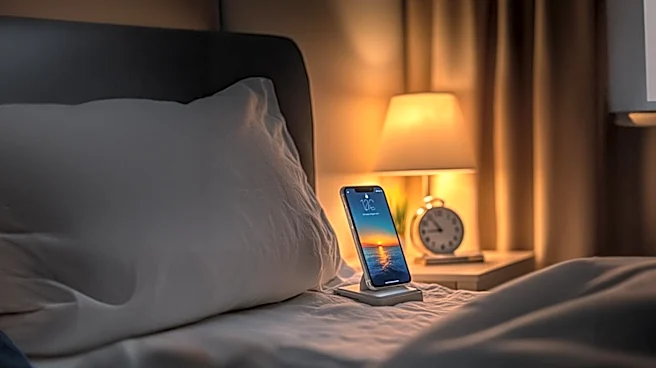
Addressing SWSD will likely involve a multi-faceted approach focusing on both individual and organizational strategies. For individuals, treatment may include personalized sleep schedules, strategic light exposure during work and light avoidance at home, creating optimal sleep environments (e.g., blackout curtains), planned naps, and, when appropriate, carefully timed melatonin or wake-promoting medications. Behavioral strategies used in insomnia treatment will also be key. For employers, there's a growing need for corporate wellness programs that offer sleep education and screening for their teams. This could lead to policy changes regarding shift scheduling, breaks, and access to resources that support healthy sleep. Further research may explore the long-term efficacy of various interventions and the development of more effective diagnostic tools. Collaboration between healthcare providers, employers, and policymakers will be essential to implement comprehensive solutions that protect the health and safety of shift workers.
Beyond the Headlines
The issue of SWSD extends beyond individual health to touch upon broader societal structures and ethical considerations. It raises questions about the societal value placed on 24/7 services and the responsibility of employers to mitigate the health risks associated with such demands. Ethically, there's a need to balance economic productivity with worker well-being, ensuring that essential services do not come at the cost of employees' long-term health. Culturally, there may be a shift towards greater recognition and support for shift workers, moving away from a perception that sleep deprivation is an unavoidable part of their job. This could lead to innovations in urban planning to create communities that better support non-traditional work schedules, and a re-evaluation of public health campaigns to specifically target the unique challenges faced by shift workers. The long-term impact could be a more resilient and healthier workforce, better equipped to meet the demands of a continuously operating society.