





What's Happening?
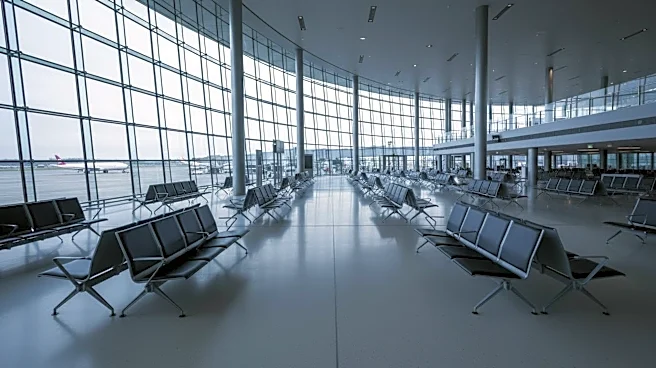
Berhanu Kibret, a professor at the University of Maryland School of Pharmacy, has been denied bond and remains in ICE custody following his arrest at Dallas Fort Worth International Airport on July 21. Kibret, an Ethiopian national, was returning from
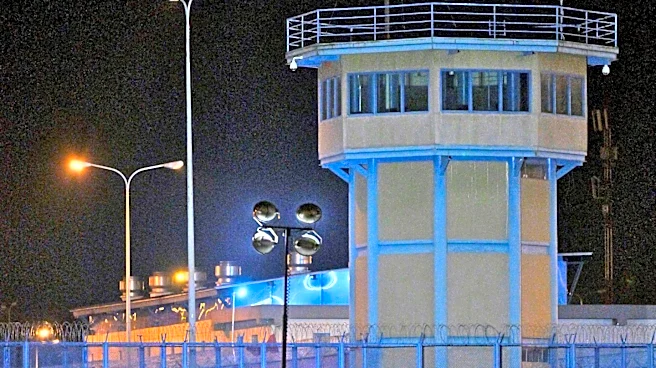
receiving a national teaching award when he was detained. His attorney argues that Kibret possesses valid work authorization and was in a period of authorized stay after applying for relief on his J-1 visa. However, ICE states that while Kibret entered the U.S. legally, his visa expired in May 2024. During a bond hearing, 18 letters of support were submitted on his behalf, many from colleagues at the University of Maryland and his former workplace, William Paterson University in New Jersey. Despite these efforts, a federal immigration judge denied the bond request. Kibret has been held at the Diamondback Correctional Facility in rural Oklahoma since his arrest.
Why It's Important?
This case highlights the complexities and potential rigidities within the U.S. immigration system, particularly concerning individuals with academic and professional standing. The detention of a university professor, despite claims of valid work authorization and significant community support, raises questions about the discretion and interpretation of immigration laws. For the University of Maryland School of Pharmacy, the situation creates uncertainty regarding the impact on the fall semester and the students Kibret serves, as expressed by Dean Dr. Sarah L. J. Michel. The incident could also deter international scholars and professionals from pursuing opportunities in the U.S. if they perceive a heightened risk of detention or deportation, even with seemingly legitimate visa processes underway. The denial of bond, despite a strong support network, underscores the challenges individuals face when navigating immigration legal processes.
What's Next?
With the bond denial, Berhanu Kibret will remain in ICE custody. Immigration court records currently do not list any future hearing dates for his case, indicating a potentially prolonged detention. His attorney may explore further legal avenues to appeal the bond decision or to secure his release. The University of Maryland School of Pharmacy will likely continue to monitor the situation and assess its impact on academic operations and student support. The case could also draw further attention from immigration advocacy groups and academic organizations, potentially leading to increased public pressure or legal challenges to the immigration system's handling of such cases. The long-term implications for Kibret's academic career and his family in Africa remain uncertain.
Beyond the Headlines
This situation extends beyond a single individual's immigration status, touching upon broader themes of academic freedom, international collaboration, and the human impact of immigration policies. The arrest of a respected professor, particularly one engaged in research on drug abuse, could have a chilling effect on the willingness of international scholars to travel to and from the U.S., potentially hindering scientific and educational exchange. It also brings to light the emotional and personal toll on individuals and their families when caught in immigration disputes, as Kibret has a wife and two children in Africa. The case may prompt a re-evaluation of how immigration authorities handle visa extensions and applications for relief, especially for those contributing significantly to U.S. institutions. The lack of immediate clarity on future hearing dates further emphasizes the opaque nature of some immigration proceedings.