





What's Happening?
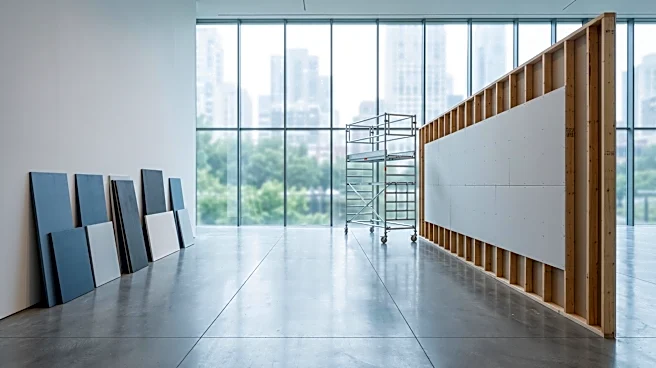
Museums are utilizing two primary methods for developing exhibitions and experiences: Design-Bid-Build and Design-Build. Design-Bid-Build is the traditional approach where a museum first hires an exhibition designer to complete concept design, design development,
and construction documents. These documents then form the basis for competitive bids from fabricators and producers. In contrast, Design-Build combines these two jobs, with the museum hiring a single team responsible for both design and production. This team might be a single company with in-house capabilities or a collaboration of separate design and fabrication firms. While Design-Bid-Build remains the conventional model for many substantial museum exhibitions, Design-Build is a recognized alternative, though it currently holds a smaller market share. The choice between these methods significantly impacts the timing of builder involvement, cost establishment, risk allocation, and responsibility division.
Why It's Important?
The selection between Design-Bid-Build and Design-Build procurement methods has significant implications for the efficiency, cost-effectiveness, and overall success of museum exhibition projects. For U.S. museums, understanding these models is crucial for strategic planning and resource management. Design-Bid-Build offers a clear separation of design and construction responsibilities, potentially leading to more competitive bids for fabrication, which can benefit institutions with strict budget constraints. However, it can also lead to longer project timelines due to the sequential nature of the process. Design-Build, by integrating design and construction, can streamline communication, reduce potential conflicts between designers and builders, and potentially accelerate project completion. This integrated approach can be particularly beneficial for complex or time-sensitive exhibitions, allowing for greater innovation and flexibility. The choice affects not only the museum's financial outlay but also the quality and timely delivery of public-facing educational and cultural experiences.
What's Next?
Museums will continue to evaluate and choose between Design-Bid-Build and Design-Build models based on the specific needs of each exhibition project. Future considerations will likely involve a deeper analysis of project complexity, budget availability, desired timeline, and the level of integration preferred between design and construction teams. As the museum sector evolves, there may be an increased emphasis on hybrid models or more flexible contracting arrangements that blend aspects of both approaches to optimize outcomes. The ongoing discussion within the industry will focus on identifying which method is best suited for different types of exhibitions, from permanent installations to temporary displays, and how these choices can best serve the museum's mission and its audience. The 'Making the Museum' platform, for instance, indicates a continued exploration of these procurement strategies to guide institutions in their decision-making.
Beyond the Headlines
The choice of procurement method for museum exhibitions extends beyond mere logistical considerations; it reflects deeper philosophical and operational approaches to cultural institution management. The Design-Bid-Build model, with its emphasis on distinct phases and competitive bidding, often aligns with traditional public sector procurement practices, prioritizing transparency and cost control. Conversely, the Design-Build model, by fostering closer collaboration between designers and builders from the outset, can encourage more innovative solutions and a more cohesive vision for the exhibition. This integrated approach can lead to a more holistic design process where constructability and visitor experience are considered simultaneously. The decision also influences the creative freedom of designers and the practical input of fabricators, ultimately shaping the physical and conceptual realization of cultural narratives presented to the public. This strategic choice underscores the evolving nature of museum development, balancing artistic vision with practical execution.