

What's Happening?
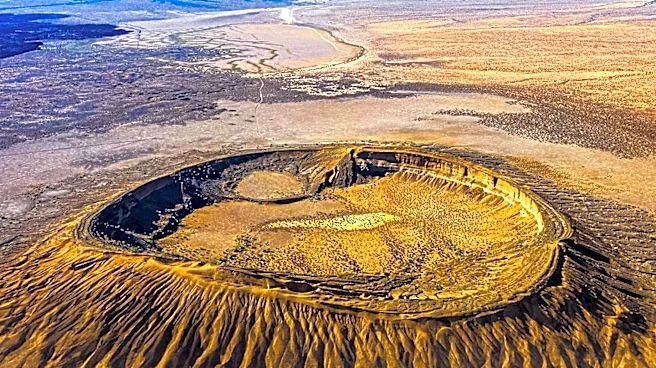
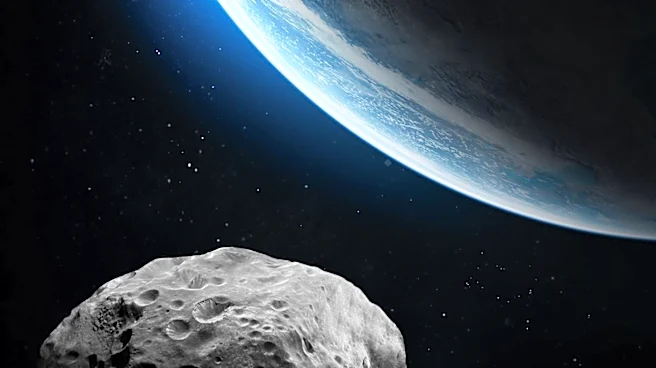
An amateur astronomer, Joël Lapointe, discovered a previously unknown meteorite impact crater in Quebec while planning a camping trip. The crater, estimated to be 390 million years old, was identified through satellite imagery on Google Maps, showing
a circular indentation around Lake Marsal. The crater spans approximately 15.5 miles and was confirmed by planetary geologists who investigated the site. This discovery adds to the understanding of Earth's geological history and the impact of cosmic events.
Why It's Important?
The discovery of the meteorite crater is significant for the scientific community as it provides new insights into Earth's geological past and the frequency of cosmic impacts. Such findings can inform studies on planetary defense and the potential risks posed by future meteorite impacts. The involvement of an amateur astronomer highlights the role of citizen science in contributing to major scientific discoveries, encouraging public participation in scientific research.
Beyond the Headlines
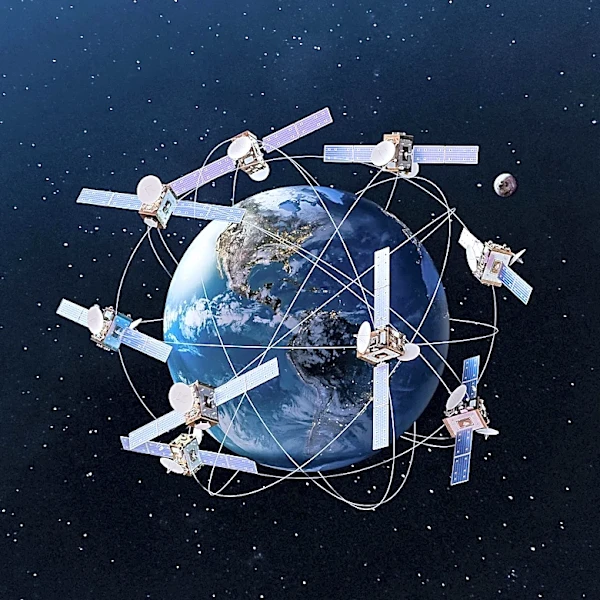
This discovery underscores the potential for technology, such as satellite imagery and online mapping tools, to aid in scientific exploration and discovery. It also raises questions about the preservation and study of geological sites, as well as the need for collaboration between amateur and professional scientists. The finding may inspire further exploration of remote areas for similar geological features, potentially leading to more discoveries.