





What's Happening?
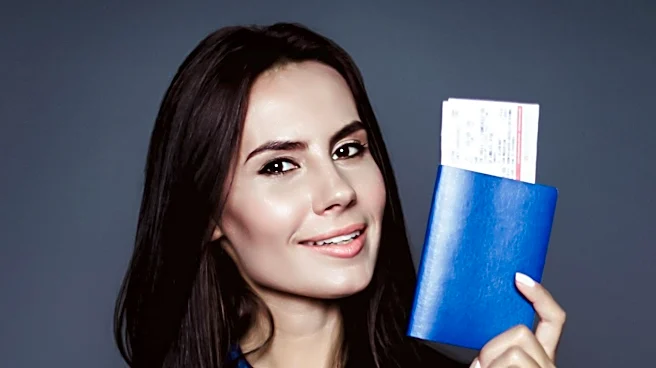
Citizens of Serbia are required to obtain a visa to travel to the United States, meaning they must formally apply for entry. The most frequently sought visa type for Serbian citizens traveling to the U.S. is the B1/B2 visa, which accommodates both tourism
and business purposes. This visa typically has a validity of ten years and permits multiple entries into the country. The application process involves several key steps: completing the online DS-160 application form, paying a non-refundable visa fee of $185, scheduling an interview appointment, and preparing a set of required documents. These documents include a passport valid for at least six months beyond the travel date, the DS-160 confirmation page, payment receipt, a recent photograph meeting specific dimensions, and details of travel plans. The final step is attending an interview at the U.S. Consulate, where the applicant's travel purpose, plans, and financial situation are discussed. Processing times for U.S. visa applications generally range from two to three weeks, though this can vary based on application volume.
Why It's Important?
The requirement for Serbian citizens to obtain a visa for U.S. travel underscores the U.S.'s controlled immigration and entry policies, which are designed to manage national security, economic impact, and border integrity. For Serbian citizens, this process represents a significant administrative hurdle, requiring careful planning and adherence to strict guidelines. The B1/B2 visa's ten-year validity and multiple-entry allowance, while beneficial, still necessitate a rigorous initial application. The $185 fee and the need for an in-person interview at the U.S. Consulate in Belgrade highlight the formal nature of U.S. entry requirements. This system ensures that all visitors are vetted, but it can also create barriers for legitimate travelers, potentially impacting tourism and business exchanges between the two countries. The emphasis on clear travel purpose and sufficient financial resources during the interview process reflects the U.S.'s concern about overstays and unauthorized employment, aiming to ensure visitors adhere to the terms of their visa.
What's Next?
Serbian citizens planning travel to the U.S. should initiate their visa application process well in advance, ideally two to three months before their intended travel date, to account for potential delays. They must meticulously complete the DS-160 form, pay the required fee, and gather all necessary documentation. During the interview, applicants should be prepared to articulate their travel purpose and financial stability clearly. While a visa approval does not guarantee entry, it is the primary prerequisite. Upon arrival in the U.S., customs officers retain the authority to question travelers and, in rare cases, deny entry if concerns arise. For those who have previously held a U.S. visa, a renewal process is available, which may be less time-consuming but still requires a new DS-160 form. The U.S. Embassy Belgrade website serves as the official resource for detailed information on fees and scheduling, and applicants are advised to consult it for the most current guidelines.
Beyond the Headlines
The U.S. visa requirement for Serbian citizens, while standard for many non-visa-waiver countries, reflects broader geopolitical and historical contexts. The stringent application process, including the interview and financial scrutiny, is a mechanism for the U.S. to manage its borders and national interests. This approach can inadvertently shape perceptions of the U.S. abroad, with the complexity of the process sometimes seen as unwelcoming. For individuals, the visa application can be a source of stress and uncertainty, impacting personal travel plans, family visits, and professional opportunities. The emphasis on demonstrating a clear purpose and financial ties to Serbia is a measure to mitigate immigration risks, but it also places a burden on applicants to prove their intent to return. This dynamic highlights the ongoing tension between national security concerns and the desire for open international exchange, influencing how the U.S. is viewed by potential visitors and immigrants globally.