





What's Happening?
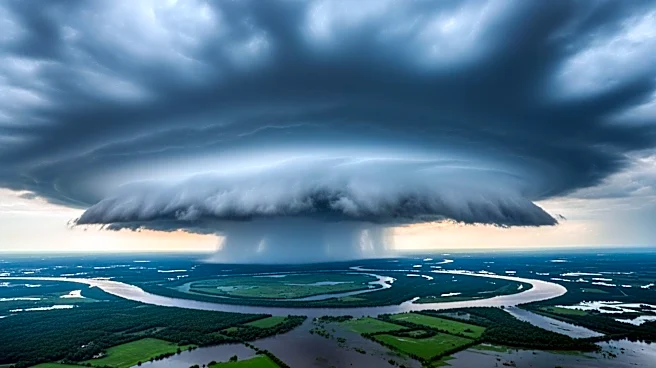
In South Carolina, the threat from tropical systems extends beyond coastal storm surges to significant inland rainfall, which can lead to severe flooding. Historically, slow-moving storms have caused extensive damage by dumping large amounts of rain,
resulting in flash floods and river flooding. Notably, storms like Helene and Debby in 2024 demonstrated how such weather systems could push rivers to record levels, exacerbating inland flooding. The state has experienced some of its worst structural damage from these events, with Hurricane Florence serving as a prime example. Florence set a state record for tropical-cyclone rainfall, dropping 23.63 inches near Loris and causing the closure of I-95 for about a week.
Why It's Important?
The inland flooding risk in South Carolina highlights the need for comprehensive disaster preparedness that goes beyond coastal areas. The potential for severe inland flooding poses significant challenges for infrastructure, emergency services, and community safety. As climate patterns evolve, the frequency and intensity of such storms may increase, necessitating improved forecasting and response strategies. This situation underscores the importance of investing in resilient infrastructure and effective emergency management plans to mitigate the impact on communities and the economy.
What's Next?
As hurricane season progresses, South Carolina must remain vigilant in monitoring weather patterns and preparing for potential storms. Authorities may need to enhance communication strategies to ensure residents are informed about risks and safety measures. Additionally, there could be increased focus on infrastructure improvements to better handle heavy rainfall and prevent flooding. Collaboration between state agencies, local governments, and communities will be crucial in developing effective response plans and minimizing future damage.
Beyond the Headlines
The recurring threat of inland flooding in South Carolina raises broader questions about climate adaptation and resilience. As weather patterns shift, there may be a need for policy changes that address land use, zoning, and building codes to reduce vulnerability. Furthermore, the economic implications of repeated flooding events could drive discussions on insurance and financial support for affected areas. Long-term, these challenges may prompt a reevaluation of how communities across the state prepare for and respond to natural disasters.