





What's Happening?
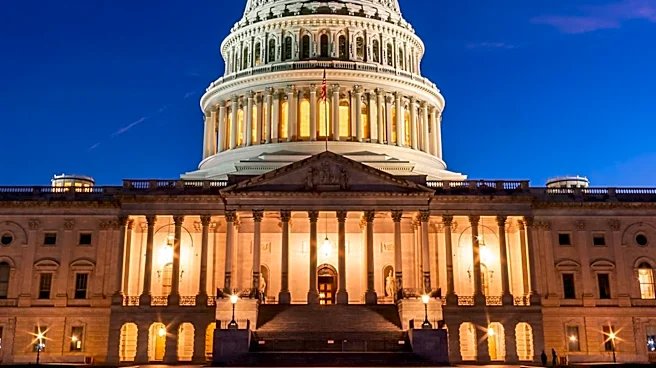
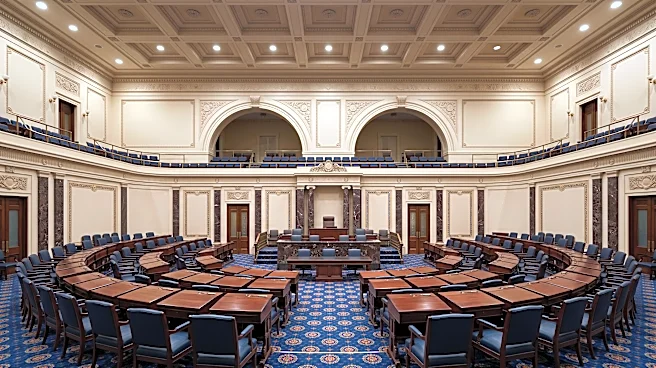
Legislation co-led by U.S. Senators Dan Sullivan (R-AK) and Maggie Hassan (D-NH), known as the Child Care Tax Benefit Outreach and Assistance Act, has successfully passed the Senate. This bipartisan bill aims to enhance access to federal child care tax
benefits for businesses and working families. The core of the legislation involves establishing a Business Child Care Liaison within the Internal Revenue Service (IRS). This liaison will be tasked with helping businesses better utilize existing, yet underutilized, federal child care tax incentives. The bill is now slated for consideration by the House of Representatives. Senator Sullivan highlighted that 61% of Alaskans reside in child care 'deserts,' underscoring the critical need for affordable and accessible child care. Both senators emphasized that the current federal tax incentives designed to support businesses in providing child care benefits are not being fully leveraged, despite the significant struggles working parents face with child care costs and availability.
Why It's Important?
This legislation is important because it addresses a critical economic and social challenge: the high cost and limited availability of child care in the U.S. By creating a dedicated liaison at the IRS, the bill seeks to demystify and promote the use of federal tax incentives that can help businesses offer child care benefits. This initiative could significantly alleviate financial burdens on working families, potentially saving parents thousands of dollars annually on child care costs, as indicated by a U.S. Congress Joint Economic Committee report. For businesses, greater utilization of these incentives could improve employee retention and recruitment, fostering a more stable and productive workforce. The bipartisan nature of the bill also signals a rare consensus on a pressing issue, suggesting a higher likelihood of successful implementation and broader impact across different states and economic sectors. The focus on increasing awareness and simplifying access to these benefits could unlock substantial economic advantages for both employers and employees.
What's Next?
The Child Care Tax Benefit Outreach and Assistance Act will now move to the House of Representatives for consideration. If passed by the House, it will then proceed to the President for signature into law. Should it become law, the IRS will be directed to appoint a Business Child Care Liaison. This liaison will begin building relationships between the child care sector and the business community, coordinating with other federal agencies to facilitate the use of child care tax incentives, and identifying potential legislative and administrative changes to further improve incentive utilization. Stakeholders, including businesses, child care providers, and working families, will be closely watching the House's deliberations and the subsequent implementation efforts. The success of this initiative will largely depend on the effectiveness of the IRS liaison in outreach and education, as well as the willingness of businesses to engage with these newly promoted incentives.
Beyond the Headlines
Beyond its immediate impact on child care access and business support, this legislation touches upon deeper societal and economic implications. The persistent issue of child care 'deserts' and unaffordable care highlights systemic challenges in supporting working parents and maintaining a robust workforce. This bill represents a step towards recognizing child care as a critical component of economic infrastructure, rather than solely a private family matter. By encouraging employer-provided child care, it could foster a cultural shift in corporate responsibility and employee benefits. Furthermore, the bipartisan effort underscores a growing understanding across the political spectrum that addressing child care is essential for national economic competitiveness and family well-being. The long-term success of such initiatives could lead to a re-evaluation of federal support for child care, potentially inspiring more comprehensive reforms to address the broader landscape of family support policies and workforce participation.