What's Happening?
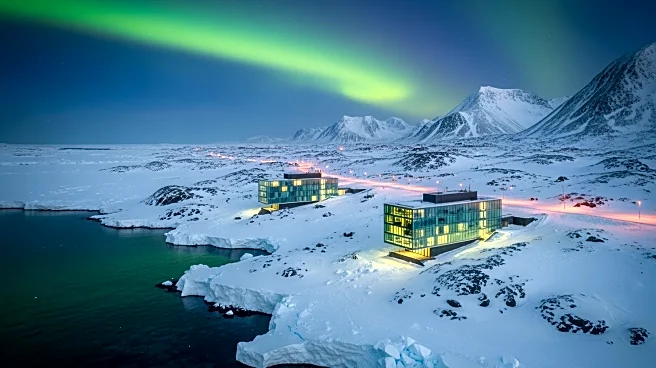
In recent weeks, President Trump has escalated tensions with NATO allies over Greenland, following a successful military operation in Venezuela. The situation involved claims of ownership and threats of military action and tariffs against European allies.
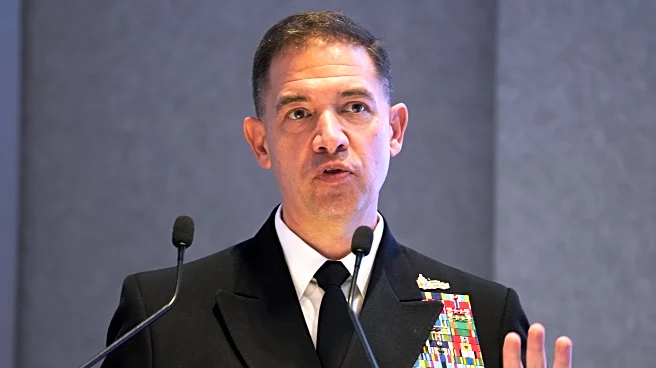
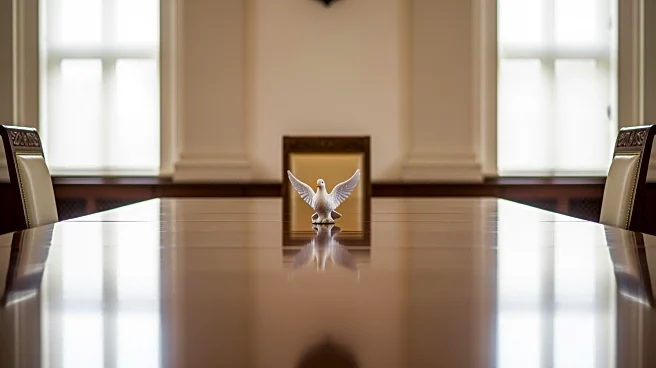
NATO Secretary General Mark Rutte played a crucial role in de-escalating the situation, reportedly convincing President Trump to step back from his aggressive stance. A visit by the foreign ministers of Denmark and Greenland to Washington resulted in the formation of a working group to discuss Greenland's future. This development aims to address the concerns raised by President Trump and potentially increase the American military presence on the island.
Why It's Important?
The crisis over Greenland highlights the fragile nature of international alliances and the potential for diplomatic tensions to arise from unilateral actions. President Trump's approach has strained relationships with key NATO allies, raising concerns about the stability of the North Atlantic alliance. The situation underscores the importance of diplomatic engagement and multilateral discussions in resolving international disputes. The resolution of this crisis could set a precedent for how similar issues are handled in the future, impacting U.S. foreign policy and its relationships with European nations.
What's Next?
The establishment of a working group to discuss Greenland's future suggests ongoing diplomatic efforts to address the concerns raised by President Trump. The potential increase in American military presence on Greenland could lead to further negotiations between the U.S., Denmark, and NATO allies. Observers will be watching for any formal agreements or changes in policy that may arise from these discussions. Additionally, the situation may prompt NATO to reassess its strategies for dealing with internal conflicts and maintaining alliance cohesion.