







What's Happening?
Many Americans are not consuming enough fiber, despite its recognized benefits for gut health and overall well-being. According to dietitians Sapna Peruvemba, M.S., R.D.N., and Wendy Lopez, M.S., R.D., common mistakes in fiber intake include relying on a limited
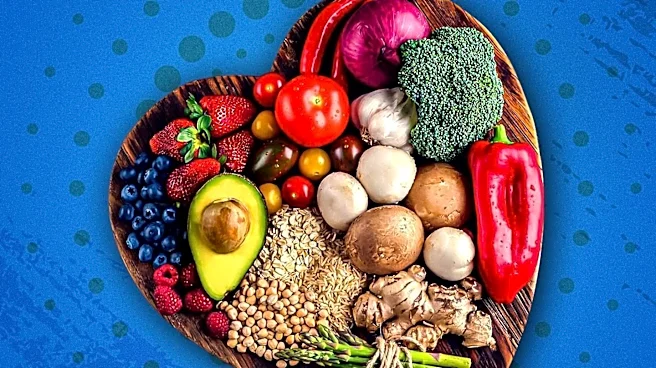
variety of fiber sources, suddenly increasing fiber consumption too rapidly, and inadequate hydration. While trends like 'fibermaxxing' have raised awareness, most individuals still fall short of the recommended 25 to 38 grams per day. Peruvemba notes that a study from The American Gut Project indicated that people consuming over 30 different types of plants weekly had more diverse gut microbiomes compared to those eating 10 or fewer. Lopez emphasizes that not all produce is equally fiber-rich, and some popular fruits and vegetables contain only one or two grams per serving. The experts also caution against being misled by marketing claims on packaged foods, advising consumers to check nutrition labels for actual fiber content.
Why It's Important?
The widespread deficiency in fiber intake among Americans has significant implications for public health, extending beyond digestive issues. Fiber plays a crucial role in regulating blood sugar, lowering cholesterol, and contributing to satiety, which can help manage weight. Even minor increases in fiber intake, as little as eight extra grams per day, have been linked to a reduced risk of heart disease, diabetes, and colorectal cancer. The lack of diverse fiber sources can lead to an imbalanced gut microbiome, impacting immune function and nutrient absorption. Furthermore, improper fiber consumption, such as rapid increases without sufficient hydration, can cause adverse gastrointestinal symptoms like bloating and constipation, potentially deterring individuals from maintaining a fiber-rich diet. Addressing these common mistakes is vital for improving long-term health outcomes and preventing chronic diseases in the U.S. population.
What's Next?
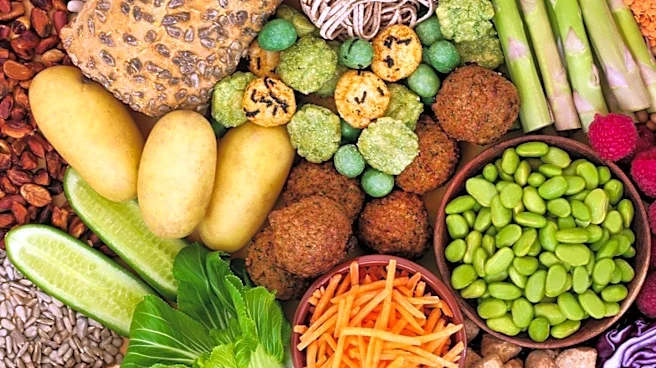
To improve fiber intake, dietitians recommend a gradual increase in consumption to allow the gut to adjust, rather than sudden, large quantities. Emphasizing a variety of fiber sources, including fruits, vegetables, beans, lentils, nuts, seeds, and whole grains, is crucial for obtaining both soluble and insoluble fibers, which perform different functions in the body. Adequate hydration is also paramount, as fiber requires water to function effectively and prevent digestive discomfort. Consumers are advised to be discerning about packaged foods, prioritizing those with at least three grams of fiber per serving, and ideally five grams or more. Educational initiatives focusing on these practical strategies could help Americans bridge the 'fiber gap' and foster healthier dietary habits, potentially leading to a reduction in diet-related health issues.
Beyond the Headlines
The discussion around fiber intake highlights a broader challenge in modern American diets: the reliance on processed foods and a lack of dietary diversity. The emphasis on 'fibermaxxing' and other trends, while well-intentioned, often overlooks the nuanced physiological processes involved in digestion and nutrient absorption. This situation underscores the need for a more holistic approach to nutrition education that moves beyond single-nutrient focus to promote balanced, varied diets. The impact of a diverse gut microbiome on overall health, including immune system function and even mood, suggests that dietary choices have far-reaching effects beyond immediate physical symptoms. Addressing these dietary patterns could contribute to a more resilient and healthier population, reducing the burden on the healthcare system and fostering a greater understanding of the intricate relationship between diet and well-being.