





What's Happening?
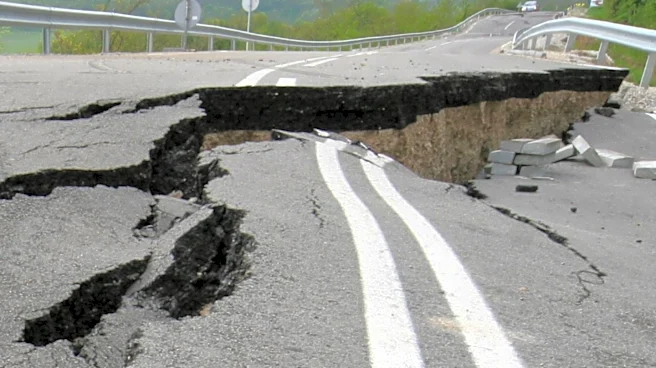
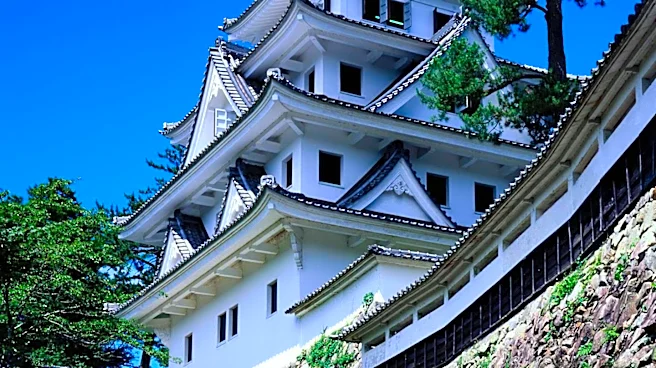
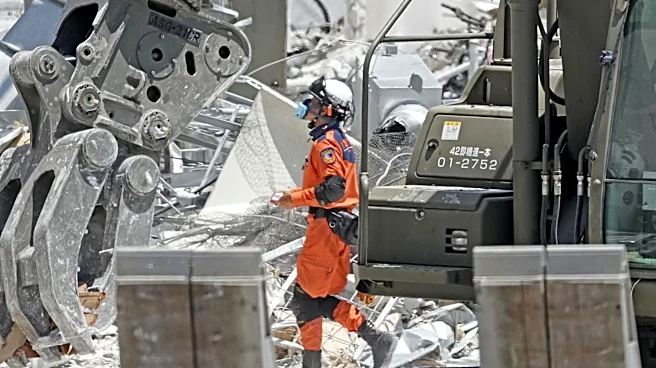
Kumamoto Castle, a 400-year-old historic site in Japan, suffered significant damage during a recent 7.1-magnitude earthquake that struck the southern Kyushu island. The earthquake caused the partial collapse of the castle's stone walls, which had previously
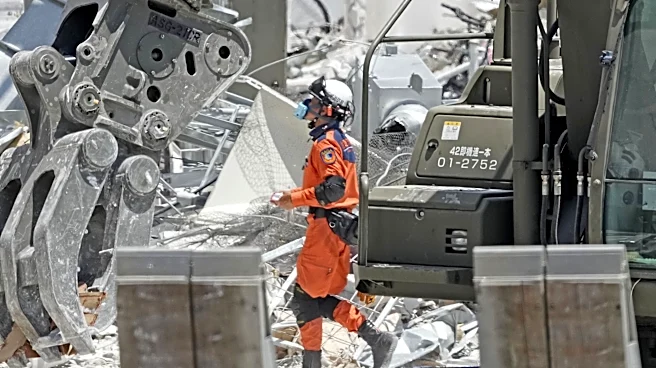
withstood a samurai siege in the 19th century. The castle was already undergoing restoration from a previous earthquake in 2016, and the recent damage may further delay the completion of these efforts. The earthquake also resulted in casualties and widespread destruction in the region.
Why It's Important?
The damage to Kumamoto Castle highlights the vulnerability of cultural heritage sites to natural disasters. The castle is a symbol of Japan's historical and architectural legacy, and its preservation is important for cultural and educational purposes. The earthquake's impact on the castle and the surrounding area underscores the need for effective disaster preparedness and response strategies to protect both people and heritage sites. The situation may prompt discussions on enhancing the resilience of historical structures in earthquake-prone regions.
What's Next?
Restoration efforts for Kumamoto Castle will likely continue, with assessments needed to determine the full extent of the damage and the resources required for repairs. The Japanese government and local authorities may seek to implement measures to protect other cultural heritage sites from similar threats. The situation could lead to increased investment in disaster risk reduction and heritage preservation initiatives. The community and stakeholders may engage in discussions on balancing restoration efforts with modern safety standards.