



What's Happening?
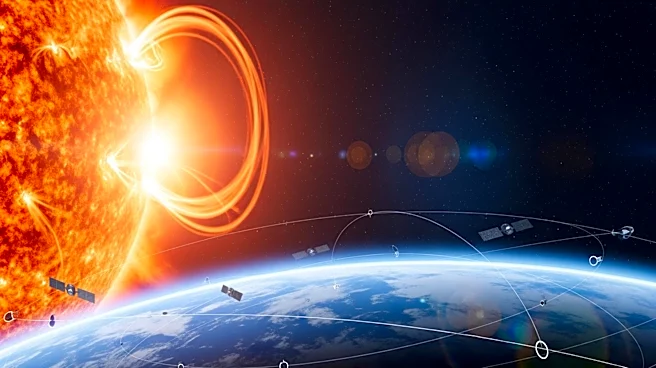
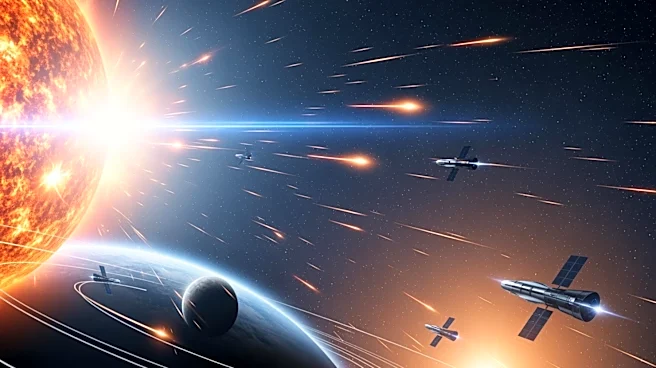
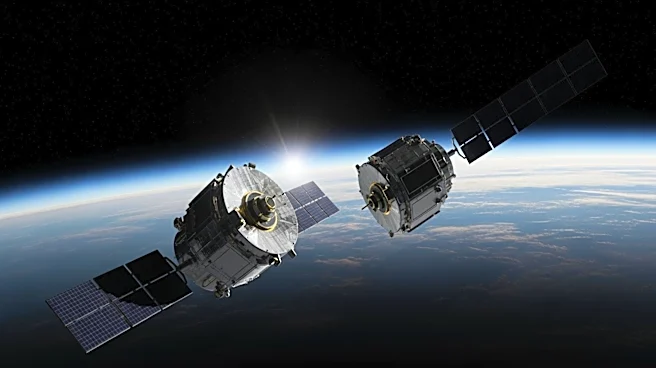
A recent study led by Sarah Thiele at Princeton University highlights the risk of satellite collisions in low-Earth orbit due to potential solar storms. The study suggests that a strong geomagnetic storm could disrupt communications between satellites
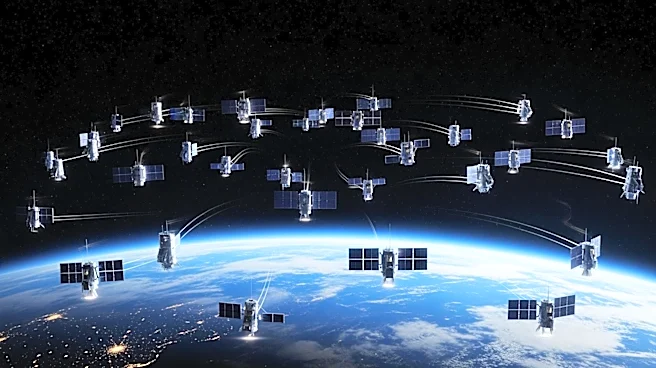
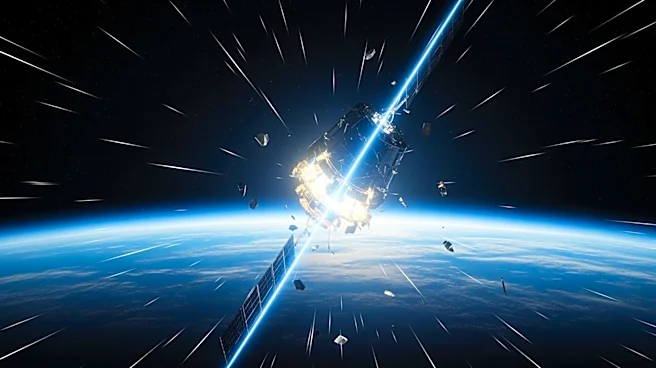
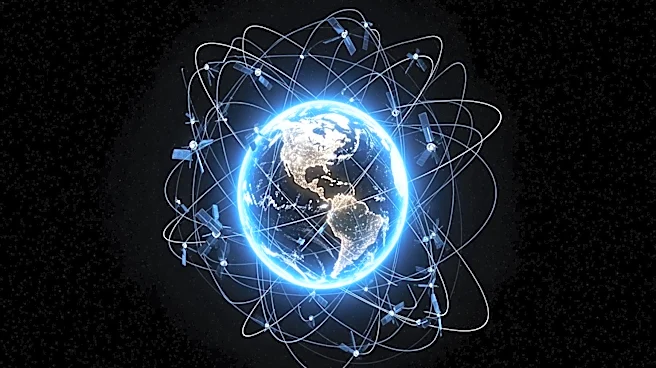
and their operators, leading to possible collisions within 2.8 days. This scenario is exacerbated by the increasing number of satellites, particularly from SpaceX's Starlink program, which has significantly populated low-Earth orbit. The study introduces the Collision Realization and Significant Harm (CRASH) metric, which estimates the time frame for a significant collision if satellite control is lost. The findings underscore the delicate balance required to maintain satellite operations and the potential for a cascade of collisions, known as Kessler Syndrome, which could severely impact future space missions.
Why It's Important?
The potential for satellite collisions poses significant risks to both current and future space operations. A disruption in satellite communications could affect various sectors, including telecommunications, navigation, and weather forecasting, which rely heavily on satellite data. The study's findings highlight the need for improved satellite management and collision avoidance strategies to prevent a scenario where space becomes too hazardous for operations. This is particularly crucial as the number of satellites continues to grow, increasing the likelihood of collisions. The implications extend to national security, as satellites play a critical role in defense and intelligence operations. The study calls for heightened awareness and proactive measures to safeguard the increasingly crowded space environment.
What's Next?
The study suggests that satellite operators and space agencies need to enhance their collision avoidance protocols and improve communication systems to mitigate the risks posed by solar storms. This may involve developing more robust satellite designs that can withstand geomagnetic disruptions and implementing more sophisticated tracking and maneuvering systems. Additionally, international cooperation may be necessary to establish guidelines and standards for satellite operations to ensure the safety and sustainability of space activities. As the space industry continues to expand, addressing these challenges will be crucial to maintaining the viability of space as a resource for technological and scientific advancement.