








What's Happening?
Japan's core inflation rate increased to 1.6% in June, marking the first rise since March, as reported by government data. This increase aligns with economists' expectations and is driven by higher oil prices impacting the broader economy. The headline
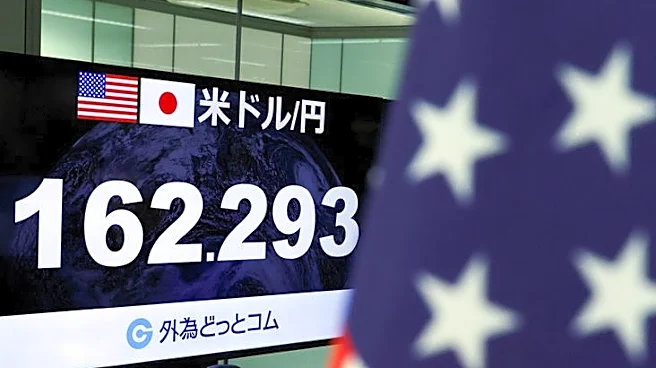
inflation rate also rose to 1.7% from May's 1.5%. The weak yen, trading at multi-decade lows, has exacerbated import costs, particularly for energy, as Japan relies heavily on imports for over 87% of its energy needs. The Bank of Japan remains vigilant about potential inflation risks that could necessitate faster interest rate hikes. The central bank is considering rate adjustments if inflation pressures from the weak yen and rising fuel costs continue to escalate.
Why It's Important?
The rise in Japan's core inflation is significant as it reflects the broader economic challenges posed by a weak yen and increased energy prices. For the U.S., this development could influence global economic dynamics, particularly in trade and currency markets. A weaker yen makes Japanese exports cheaper, potentially affecting U.S. manufacturers and exporters. Additionally, if Japan raises interest rates to combat inflation, it could impact global financial markets and investor behavior. The situation underscores the interconnectedness of global economies and the potential ripple effects of monetary policy changes in major economies like Japan.
What's Next?
The Bank of Japan may consider adjusting its interest rates sooner than anticipated if inflation pressures persist. This decision will be closely monitored by global markets, as it could signal shifts in monetary policy trends. The ongoing Middle East crisis, which has affected energy supplies, adds another layer of complexity to Japan's economic outlook. Stakeholders, including businesses and policymakers, will need to navigate these challenges carefully to mitigate potential negative impacts on the economy.