







What's Happening?
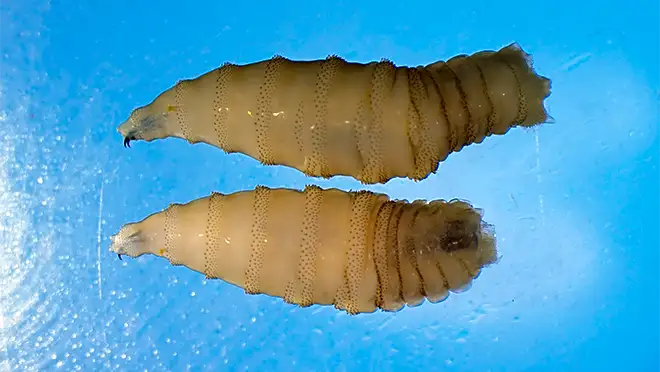
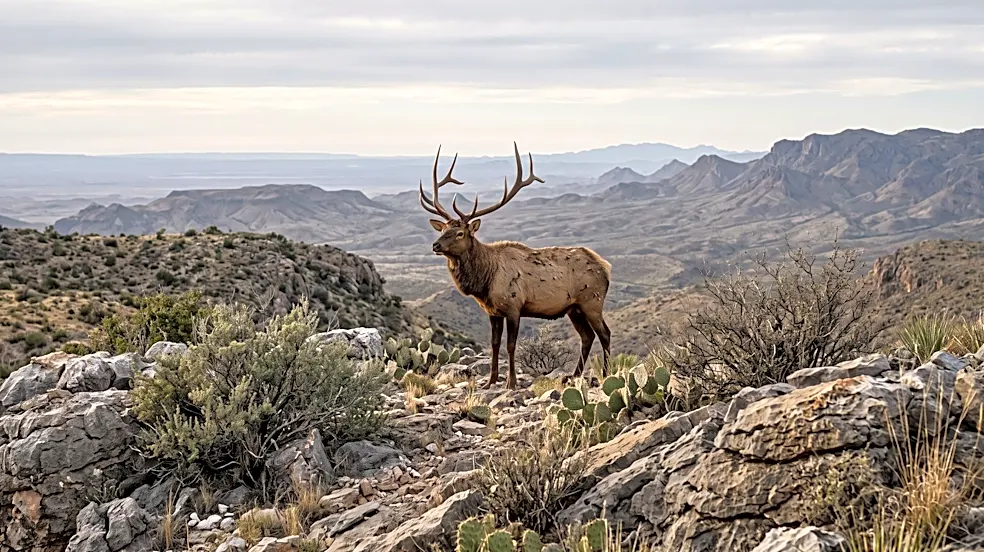
On October 21, the Texas Parks and Wildlife Department (TPWD) confirmed the detection of New World screwworm (NWS) in a female elk harvested by a hunter in Pecos County, Texas. A sample from the elk was analyzed and confirmed as NWS at the ARS Knipling-Bushland
U.S. Livestock Insects Research Laboratory in Kerrville. This detection underscores the vital role that hunters, landowners, outdoor enthusiasts, and wildlife professionals play in identifying and managing the spread of NWS. Alan Cain, Wildlife Division Director, emphasized the importance of vigilance among hunters and landowners during the current season. The collaboration between TPWD biologists and local stakeholders was crucial in expediting the identification and confirmation of this new case. The Texas Animal Health Commission (TAHC) is set to modify an existing infested zone, and the U.S. Department of Agriculture (USDA) along with TPWD are conducting further wildlife surveillance in the affected area. Hunters are advised to inspect their harvests for signs of infestation, including irritated behavior, loss of appetite, head shaking, the smell of decaying flesh, presence of maggots in wounds, and isolation from other animals.
Why It's Important?
The detection of New World screwworm in Texas wildlife is significant due to the potential threat it poses to both wild animal populations and livestock. NWS larvae infest open wounds of warm-blooded animals, causing severe tissue damage, secondary infections, and potentially death if left untreated. This can lead to substantial economic losses for the agricultural sector, particularly for cattle ranchers and other livestock producers, as infestations can reduce productivity and necessitate costly treatment or culling. For wildlife, an outbreak could decimate populations, disrupting ecological balances and impacting hunting economies. The involvement of hunters and landowners in early detection is critical, as their immediate reporting can prevent wider dissemination of the parasite. The coordinated response from state and federal agencies like TPWD, TAHC, and USDA highlights the seriousness of the threat and the need for a unified approach to containment and eradication efforts. The establishment and modification of infested zones indicate a proactive strategy to control the spread and protect animal health across the state and potentially the nation.
What's Next?
Following the confirmed detection, the Texas Animal Health Commission (TAHC) will adjust a previously established infested zone to encompass the new area of concern. The U.S. Department of Agriculture (USDA) and TPWD will intensify wildlife surveillance efforts in Pecos County to determine the extent of the infestation and identify any additional cases. Hunters and landowners are strongly encouraged to continue inspecting their harvested animals and report any suspected NWS infestations immediately to local TPWD wildlife biologists or by calling the designated hotline. Educational resources, including a video on how to inspect harvests and a guide for hunters and landowners, are available to facilitate early detection. For suspected cases in livestock and companion animals, individuals are directed to contact their TAHC Region Office or the Veterinarian on Call. The ongoing vigilance and prompt reporting from the public will be crucial in controlling the spread of the New World screwworm and preventing a larger outbreak.
Beyond the Headlines
The re-emergence of New World screwworm in U.S. wildlife, particularly in Texas, carries broader implications beyond immediate animal health concerns. Historically, the U.S. eradicated NWS through a massive sterile insect technique program, making its reappearance a significant setback and a reminder of the constant threat of re-introduction of eradicated diseases. This event highlights vulnerabilities in biosecurity measures and the challenges of monitoring vast wild animal populations. The economic impact could extend beyond direct livestock losses, affecting related industries such as veterinary services, feed suppliers, and even tourism if wildlife populations are severely impacted. Ethically, the presence of NWS raises questions about animal welfare, as infested animals suffer considerably. The situation also underscores the interconnectedness of human activities, wildlife management, and agricultural health, emphasizing the need for robust surveillance systems and public engagement in disease prevention. This incident could prompt a re-evaluation of existing protocols for preventing the re-establishment of eradicated pests and diseases.