







What's Happening?
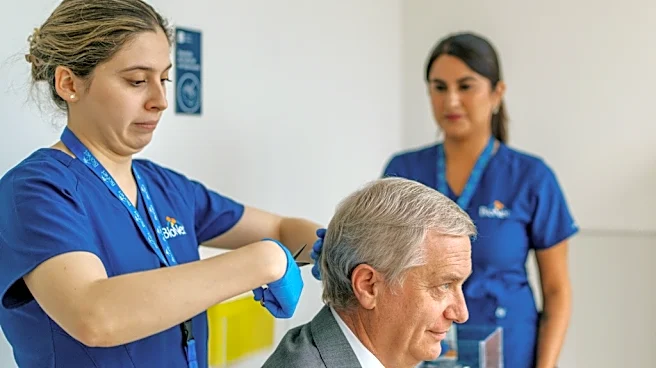
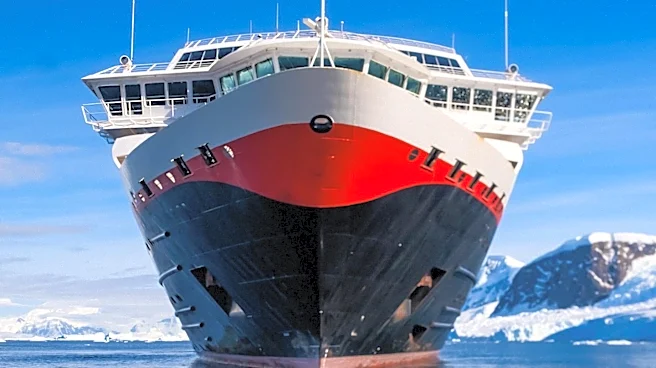
The Seabourn Pursuit cruise ship has provided crucial medical assistance to Robinson Crusoe Island, part of Chile's Juan Fernandez Islands. The island has been without a functioning X-ray machine since February, leaving residents unable to access necessary
diagnostic imaging. The ship's medical team conducted X-rays for residents aged between four and 71, with scans reviewed through Seabourn's telemedicine partner. This collaboration enabled local doctors to diagnose and treat patients effectively. The visit highlights the role of cruise ships in supporting remote communities, especially given the infrequency of ship visits to the island.
Why It's Important?
The intervention by Seabourn Pursuit underscores the challenges faced by remote communities in accessing healthcare services. With Robinson Crusoe Island lacking local imaging capabilities, residents typically need to travel to mainland Chile for medical scans, a journey complicated by limited transport options. The cruise ship's assistance alleviates the backlog of patients awaiting care, demonstrating the potential for cruise medical infrastructure to serve isolated populations. This event may encourage further collaborations between cruise lines and remote communities, enhancing healthcare access and outcomes for underserved areas.
What's Next?
The successful medical intervention by Seabourn Pursuit may prompt other cruise lines to consider similar initiatives, potentially establishing regular medical support visits to remote communities. Local health officials might explore partnerships with cruise companies to ensure ongoing access to essential medical services. Additionally, this event could lead to discussions on improving healthcare infrastructure on Robinson Crusoe Island, possibly through government investment or international aid.
Beyond the Headlines
The reliance on cruise ships for medical support raises questions about the sustainability of healthcare in remote areas. It highlights the need for robust local healthcare systems that can operate independently of external aid. Ethical considerations also arise regarding the responsibility of cruise lines to provide such services and the potential for these initiatives to become a standard part of their operations. Long-term solutions may involve technological advancements in telemedicine and mobile healthcare units.