




What's Happening?
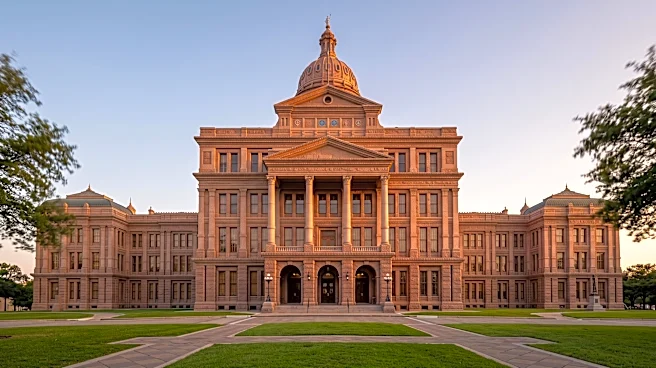
In Texas, efforts to pass legislation in 2025 that would have prevented retail pet stores from selling commercially bred puppies and kittens did not succeed. This proposed legislation aimed to address concerns related to 'puppy mills,' which are large-scale
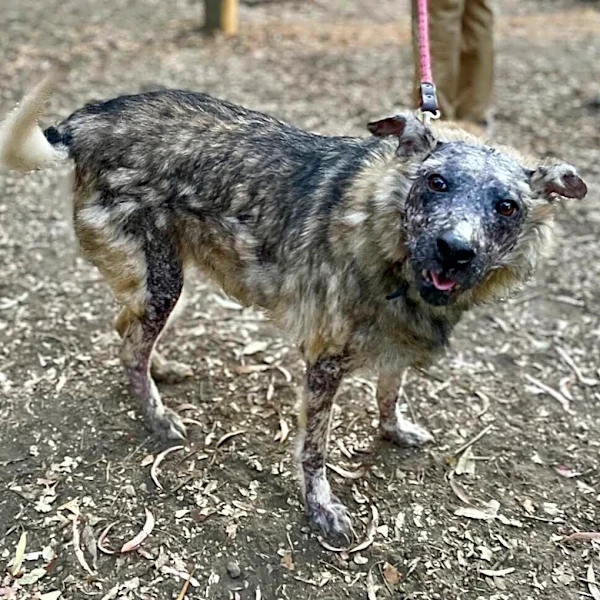
commercial breeding facilities often associated with poor living conditions and potential health issues for animals. Meera Nandlal, a board member with the Texas Humane Legislation Network, highlighted that consumers purchasing from retail pet stores often lack information about a puppy's origin, upbringing, or travel history. This lack of transparency can lead to new owners facing unexpected veterinary expenses due to health problems in their newly acquired pets. The failed legislation would have also allowed retail pet stores to partner with shelters and rescues for animal adoptions, promoting a more ethical approach to pet acquisition. Greg Evans from the Houston Humane Society encourages individuals considering a new pet to explore adoption options through local humane societies, where counselors assist in finding suitable matches.
Why It's Important?
The failure of this legislation in Texas has significant implications for animal welfare and consumer protection within the state. Without such laws, the commercial breeding industry, including puppy mills, can continue to operate with less oversight regarding the conditions in which animals are bred and raised. This perpetuates a cycle where animals may suffer from neglect and health issues, which then translates into financial and emotional burdens for unsuspecting pet owners. Consumers remain vulnerable to purchasing pets with undisclosed health problems, leading to substantial veterinary costs and potential heartbreak. Furthermore, the absence of this legislation means that retail pet stores are not incentivized to shift towards partnerships with animal shelters and rescues, which could otherwise help reduce the number of homeless animals and promote responsible pet ownership. The ongoing operation of puppy mills also raises ethical concerns about animal treatment and the broader impact on animal welfare standards in Texas.
What's Next?
Following the failure of the 2025 legislation, advocates for animal welfare in Texas will likely continue to push for similar measures in future legislative sessions. Organizations like the Texas Humane Legislation Network and the Houston Humane Society will likely intensify their public awareness campaigns, educating potential pet owners about the risks associated with purchasing from commercial breeders and encouraging adoption from shelters. Consumers are advised to seek transparency from breeders, asking to see the living conditions of the animals and meet the puppy's mother. The focus will remain on promoting responsible pet ownership and advocating for stronger regulations to ensure the ethical treatment of animals in commercial breeding operations. The debate over the sale of commercially bred animals in retail stores is expected to resurface, with ongoing efforts to protect both animals and consumers.
Beyond the Headlines
The issue of puppy mills extends beyond immediate animal welfare concerns, touching upon broader ethical and societal dimensions. The continued operation of these facilities highlights a systemic challenge in balancing commercial interests with animal rights. The lack of stringent regulations can foster an environment where profit takes precedence over the well-being of living creatures, raising questions about societal values concerning animal treatment. Moreover, the financial strain on new pet owners due to unforeseen health issues in commercially bred animals can disproportionately affect lower-income families, turning the joy of pet ownership into a significant burden. This situation also underscores the importance of legislative action in shaping ethical consumer practices and promoting a more humane approach to animal commerce. The long-term impact could include a continued strain on animal shelters and rescue organizations, as they often bear the brunt of caring for animals that are abandoned or surrendered due to health or behavioral issues stemming from poor breeding practices.