



What's Happening?
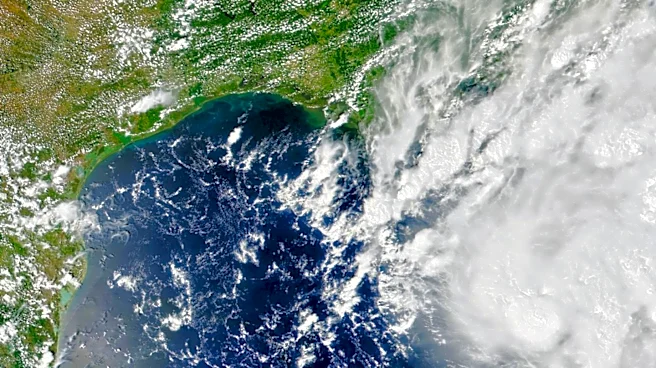
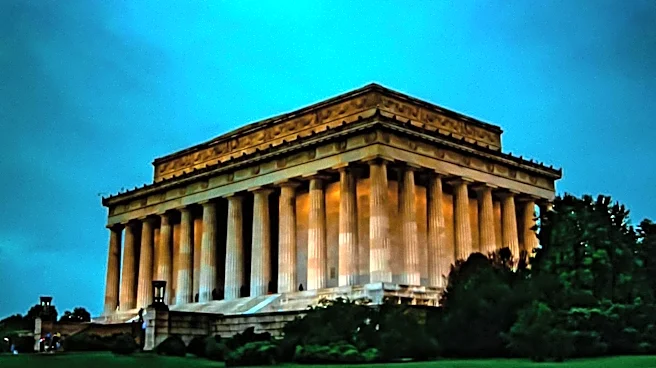
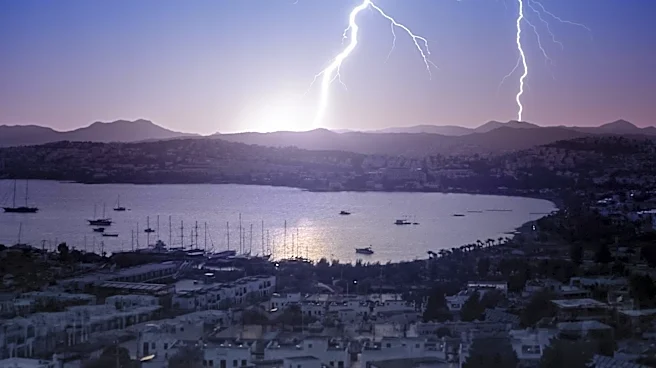
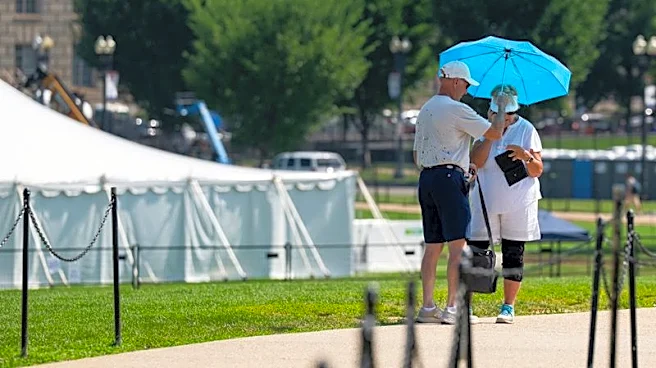
Severe thunderstorms over the Fourth of July weekend caused significant disruptions across the Midwest and East Coast of the United States. In Washington, D.C., the threat of storms led to delays in the National Mall celebrations, forcing thousands of attendees
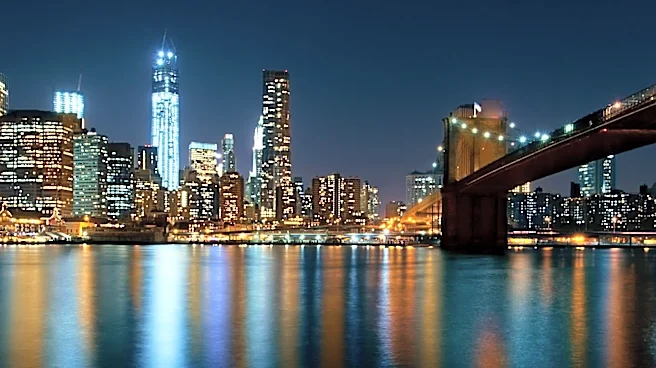
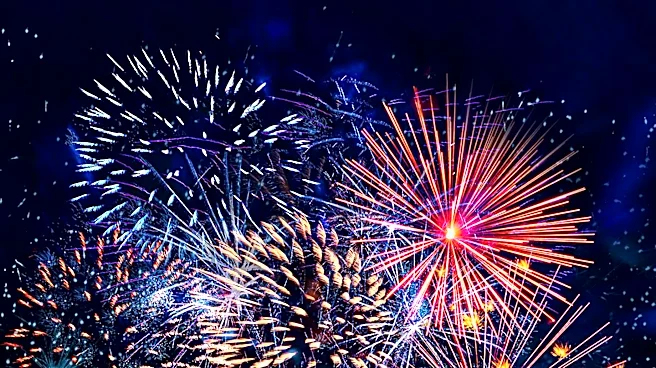
to seek shelter. Meanwhile, in New York City, the iconic Macy's fireworks show was rescheduled to an earlier time to avoid the incoming weather. These weather events were part of a broader pattern of severe weather that affected holiday festivities across the region, impacting both local residents and tourists who had gathered for the celebrations.
Why It's Important?
The disruption of Fourth of July celebrations due to severe weather highlights the increasing impact of unpredictable weather patterns on public events. Such disruptions can have economic implications, affecting local businesses that rely on holiday tourism and sales. Additionally, the need for emergency responses and public safety measures during these events underscores the importance of preparedness in the face of extreme weather. The situation also raises questions about the resilience of infrastructure and public safety protocols in major urban areas during large-scale public gatherings.
What's Next?
As severe weather events become more frequent, cities may need to reassess their emergency preparedness and response strategies for large public events. This could involve investing in better forecasting technologies, improving communication systems to alert the public, and developing more robust contingency plans to ensure safety and minimize disruptions. Stakeholders, including local governments, event organizers, and businesses, will likely need to collaborate to enhance resilience against future weather-related challenges.