





What's Happening?
Honolulu Police Chief David Lazar is shifting his focus towards implementing a strategic plan for the department, while continuing to emphasize mentorship and community outreach programs. This development comes as the Honolulu Police Department (HPD)
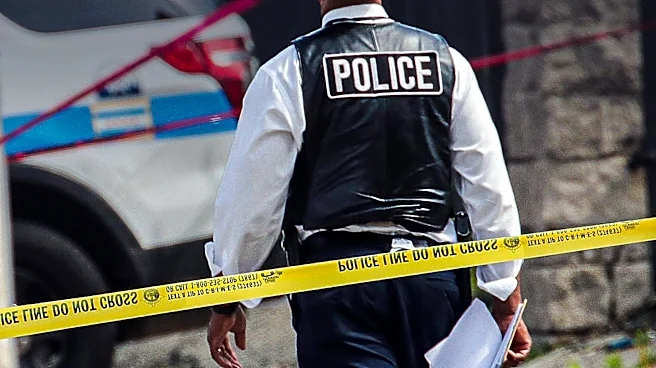
addresses several recent local incidents. A 29-year-old man was arrested in connection with a November 4 incident at Pearl Kai Shopping Center, facing charges of manslaughter and first-degree robbery. Separately, two utility poles collapsed on Pumehana Street, resulting in an SUV being crushed and power disruptions for businesses in the McCully-Mōʻiliʻili area. The HPD also responded to a critical injury sustained by a pedestrian in a Friday afternoon crash near the Honolulu Zoo parking lot. Additionally, a traffic light outage was reported on Kalakaua Avenue and Niu Street, requiring police response. Hawaiian Electric (HECO) has expanded its power watch to Leeward Oahu for the upcoming weekend due to elevated wildfire risk conditions, indicating broader community concerns beyond direct police action.
Why It's Important?
The Honolulu Police Chief's emphasis on a strategic plan signifies a potential shift in how the department will address crime and community relations in the long term. By prioritizing mentorship and outreach, the HPD aims to foster stronger community ties, which can be crucial for crime prevention and public trust. The recent incidents, including a fatal robbery, infrastructure failures, and traffic accidents, highlight ongoing public safety challenges in Honolulu. The arrest in the Pearl Kai Shopping Center case demonstrates the department's commitment to addressing serious crimes, while responses to utility pole collapses and traffic light outages underscore the HPD's role in maintaining public order and safety during unexpected events. The HECO power watch due to wildfire risk also points to broader environmental and safety concerns that impact the community, potentially requiring coordinated responses from various city agencies, including law enforcement, to ensure public well-being and prevent further incidents.
What's Next?
In the immediate future, the Honolulu Police Department will likely continue its investigations into the recent incidents, including the Pearl Kai Shopping Center case and the pedestrian accident. The implementation of Chief Lazar's strategic plan will begin to unfold, potentially introducing new initiatives or reallocating resources to specific areas of policing, such as community engagement or crime reduction strategies. The ongoing mentorship and community outreach programs are expected to continue, aiming to build rapport between officers and residents. Residents in Leeward Oahu should remain vigilant regarding the HECO power watch and potential wildfire risks, which may necessitate further public safety advisories or actions from emergency services. The city will also need to address the infrastructure issues, such as the fallen utility poles, to restore full services and prevent future occurrences, which could involve collaboration between HPD and other municipal departments.
Beyond the Headlines
The focus on a strategic plan by Chief Lazar suggests a move towards proactive policing and long-term vision rather than solely reactive responses to crime. This could lead to a more data-driven approach to law enforcement, potentially impacting resource allocation and crime prevention methodologies across Honolulu. The continued emphasis on mentorship and community outreach reflects a broader national trend in policing to bridge divides between law enforcement and the communities they serve, aiming to build trust and cooperation. The variety of incidents, from violent crime to infrastructure failures and environmental risks, underscores the complex and multifaceted challenges faced by urban police departments. It highlights the need for comprehensive strategies that not only address criminal activity but also contribute to overall community resilience and safety in the face of diverse threats, including those posed by natural events and urban development.