




What's Happening?
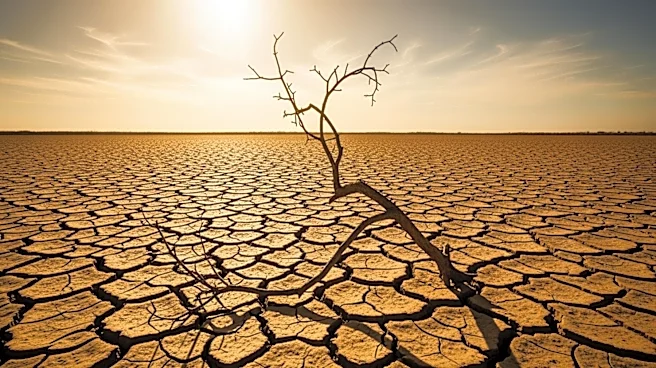
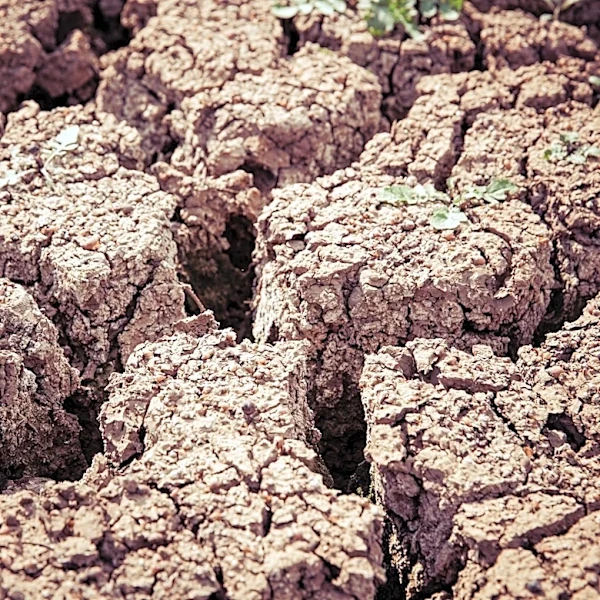
Farmers in Odisha are facing significant concerns as the El Niño weather phenomenon threatens to disrupt the upcoming monsoon season. Reports indicate that the El Niño effect could lead to a weak monsoon, resulting in drought-like conditions and erratic
rainfall patterns. This situation poses a serious threat to crop cultivation, particularly paddy farming, which is a staple in the region. Agricultural experts and farmers are closely monitoring the situation, as the potential for reduced rainfall could severely impact agricultural productivity and the livelihoods of those dependent on farming.
Why It's Important?
The potential impact of El Niño on Odisha's agriculture is significant, as it could lead to reduced crop yields and economic hardship for farmers. Paddy farming, which relies heavily on consistent monsoon rains, is particularly vulnerable. A weak monsoon could lead to water shortages, affecting not only agriculture but also water supply for other uses. This situation underscores the broader challenges of climate variability and its impact on food security and rural economies. The agricultural sector, a major component of Odisha's economy, could face substantial losses, affecting food prices and availability.
What's Next?
Farmers and agricultural authorities in Odisha are likely to implement contingency plans to mitigate the impact of a weak monsoon. This may include measures such as diversifying crops, improving water management practices, and seeking government assistance for drought relief. Monitoring weather patterns and preparing for potential adverse conditions will be crucial in the coming months. The response from government agencies and the effectiveness of support measures will play a critical role in determining the extent of the impact on the agricultural sector.