







What's Happening?
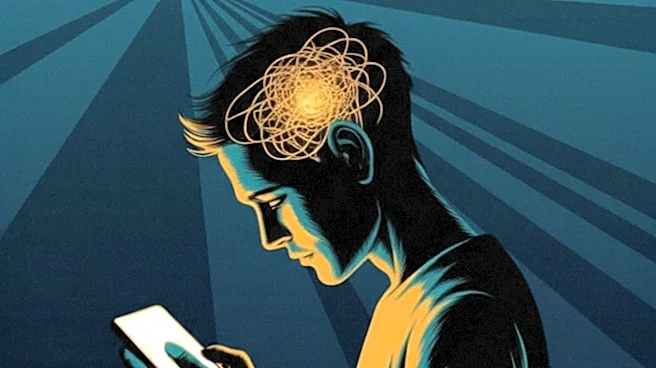
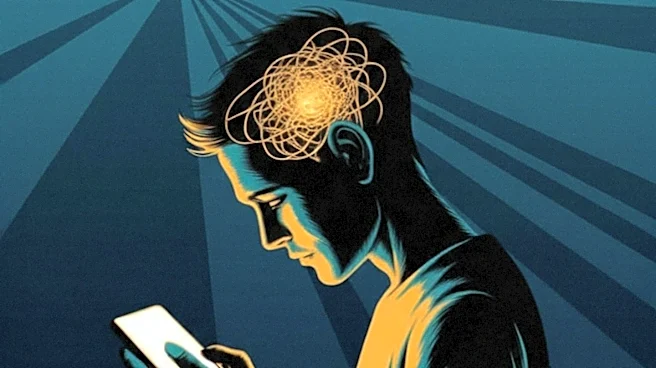
A recent U.S. study indicates that nearly half of teenagers aged 13-17 believe social media has a 'mostly negative' effect on their age group. Research over the past decade supports a link between excessive social media use and a rise in reported mental
health diagnoses among teens. Specifically, adolescents who spend over three hours daily on social media are twice as likely to report negative mental health outcomes, including symptoms of anxiety and depression. Girls are more likely than boys to report that social media harms their mental health (25% vs. 14%) and confidence (20% vs. 10%). The negative impacts can stem from constant comparison to others, leading to feelings of inadequacy, low self-esteem, poor sleep quality, cyberbullying distress, unhealthy body image, and eating disorders. The American Psychological Association (APA) advises parents to take a proactive approach, recommending adult monitoring for early adolescents (10-14 years) while balancing it with privacy needs as children age and develop digital literacy.
Why It's Important?
This trend highlights a significant public health concern regarding adolescent mental well-being in the digital age. The findings underscore the need for increased awareness among parents, educators, and policymakers about the potential harms of unchecked social media use. The disparity in reported negative effects between genders suggests that girls may be particularly vulnerable to the pressures and comparisons prevalent on these platforms. Addressing these issues is crucial for fostering healthy development in young people, potentially reducing the long-term societal burden of mental health conditions. The APA's recommendations provide a framework for parents to navigate this complex issue, emphasizing the importance of digital literacy and balanced monitoring to mitigate risks while still allowing for the beneficial aspects of social connection and creative expression that social media can offer when used safely and in moderation.
What's Next?
Parents are encouraged to implement strategies such as setting limits on social media use, keeping smartphones out of bedrooms, utilizing parental controls, and teaching children about privacy settings. Ongoing family discussions about online safety, privacy, and responsible behavior are also recommended. Encouraging participation in offline activities like sports and clubs can provide alternative avenues for socialization. The APA's advisory suggests a gradual increase in autonomy as teens mature and gain digital literacy skills. Future efforts may involve further research into specific social media content and usage patterns that contribute to negative outcomes, as well as the development of more effective digital literacy programs for adolescents and parental guidance resources. Policymakers may also consider regulations or guidelines for social media platforms to better protect young users.
Beyond the Headlines
The pervasive influence of social media on adolescent mental health raises broader questions about the evolving nature of social interaction and identity formation in a digital world. The constant exposure to curated online personas can create unrealistic expectations and foster a culture of comparison, potentially impacting self-worth and body image. This issue also touches upon the ethical responsibilities of technology companies in designing platforms that are safe for young users. The balance between digital engagement and real-world experiences is becoming increasingly critical for healthy psychological development. Furthermore, the findings may prompt a re-evaluation of educational curricula to include more comprehensive digital citizenship and media literacy training, equipping young people with the critical thinking skills needed to navigate online environments responsibly and protect their mental well-being.