






What's Happening?
The Korean Register (KR) has taken a leading role in coordinating two expert groups under the International Maritime Organization (IMO) focused on marine environmental issues. These groups are tasked with managing ammonia effluent and addressing failures
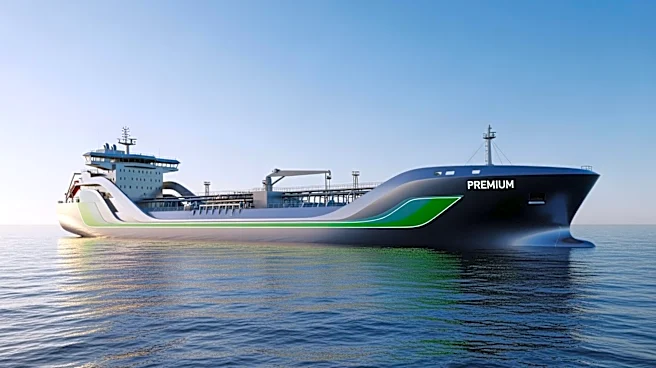
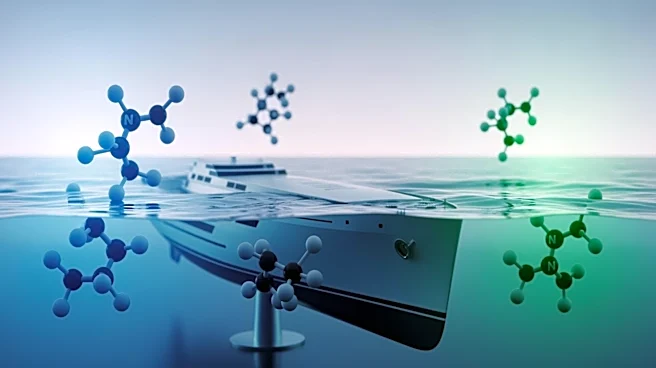
in nitrogen oxides (NOx) reduction strategies. As the maritime industry faces increasing pressure to reduce greenhouse gas emissions, ammonia-fueled vessels are being considered as a zero-carbon alternative. However, the high toxicity of ammonia and the lack of international management standards pose significant challenges. To address these, KR, in collaboration with the Ministry of Oceans and Fisheries (MOF) and major Korean shipbuilders, established a joint working group in 2025. This group has been instrumental in advancing the discussion on ammonia effluent management at the IMO's Pollution Prevention and Response (PPR) sessions. The expert group on ammonia effluent management, coordinated by KR's Senior Surveyor KIM Joonghun, held its first meeting in May 2026, with participation from global experts. Concurrently, KR is also coordinating a group focused on NOx reduction strategy failures, led by Deputy Senior Surveyor KIM Changkyu.
Why It's Important?
The initiatives led by KR are crucial in setting international standards for managing ammonia effluent and NOx emissions, which are significant environmental concerns in the shipping industry. The development of these standards is expected to provide clarity and guidance for shipbuilders and operators, facilitating the adoption of ammonia as a marine fuel. This could significantly reduce the carbon footprint of the shipping industry, aligning with global efforts to combat climate change. The work of these expert groups will also support shipowners and port authorities in complying with international regulations, potentially leading to more sustainable maritime operations. The outcomes of these groups are anticipated to serve as foundational references for future IMO guidelines, influencing global maritime policies and practices.
What's Next?
The expert group on ammonia effluent management will continue its work until the next IMO PPR session, focusing on developing international guidelines. Key agenda items include defining ammonia effluent, assessing marine environmental impacts, and establishing monitoring frameworks. The group on NOx reduction will also continue to develop guidelines and response procedures. These efforts are expected to culminate in the formal adoption of international standards, which will be critical for the maritime industry's transition to more sustainable practices. Stakeholders, including shipbuilders, operators, and regulatory bodies, will likely engage in ongoing discussions to refine these guidelines and ensure their effective implementation.