






What's Happening?
The New York City office of Representative Tom Suozzi, along with those of House Minority Leader Hakeem Jeffries and Representative Ritchie Torres, received envelopes containing suspicious white powder. In Suozzi's Queens office, two individuals were
exposed to the substance. Similarly, two people were exposed at Jeffries' Brooklyn office, and six at Torres's Bronx office. Emergency Service Units (ESU) and the FDNY responded to these incidents. Authorities have declared the substances non-hazardous, and no injuries were reported. These incidents occurred shortly after federal investigators reported similar letters containing unknown substances were sent to the offices of several Democratic and Republican senators.
Why It's Important?
The repeated targeting of congressional offices with suspicious substances, even if non-hazardous, represents a significant security concern for elected officials and their staff. This pattern of incidents can create an environment of fear and disruption, potentially impacting the ability of these offices to conduct their essential work. It also highlights the broader issue of threats against public servants, which Representative Torres noted has become a "new normal." Such events can lead to increased security measures, diverting resources and attention from other critical areas. The psychological impact on staff, who are on the front lines of receiving such threats, is also a serious consideration, potentially affecting morale and retention within congressional offices.
What's Next?
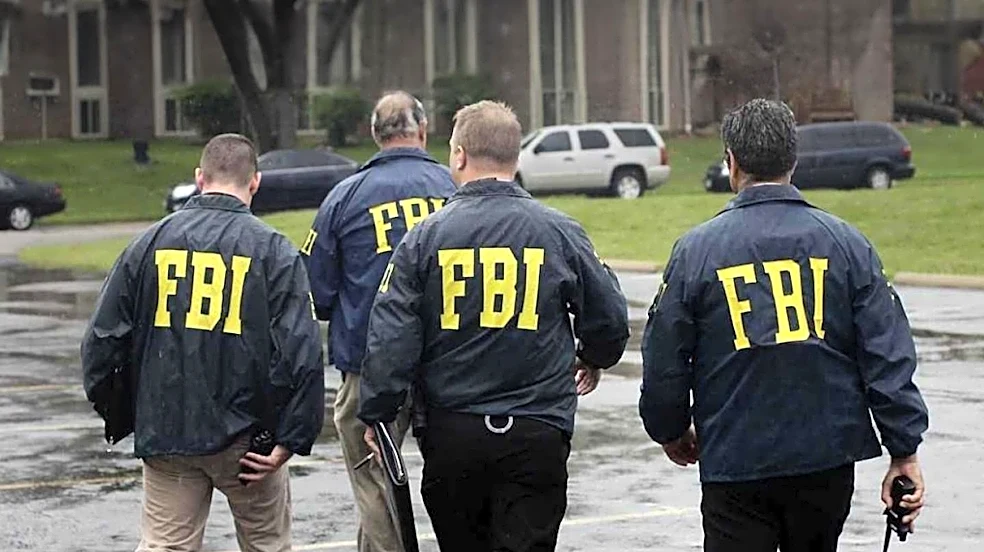
Law enforcement agencies, including the NYPD and FBI, will likely continue their investigations into the origins of these suspicious packages and the individuals responsible. The focus will be on identifying any patterns or connections between the various incidents, both in New York City and those reported nationally. Congressional offices may review and enhance their mail handling protocols and security procedures to mitigate future threats. There could also be discussions at the federal level regarding broader security measures for elected officials and their staff, given the increasing frequency of such incidents. Public statements from congressional leaders and law enforcement will likely provide updates on the ongoing investigations and any new security recommendations.
Beyond the Headlines
Beyond the immediate security concerns, these incidents reflect a troubling trend of escalating threats and intimidation tactics in the political sphere. The use of suspicious substances, even if harmless, is a form of psychological warfare designed to instill fear and disrupt democratic processes. This can contribute to a climate of distrust and animosity, making it more challenging for elected officials to engage in open dialogue and compromise. The normalization of such threats could also deter individuals from seeking public office or working in government, ultimately impacting the quality and diversity of public service. Addressing this underlying issue requires not only enhanced security but also a broader societal effort to de-escalate political rhetoric and foster a more respectful civic environment.