




What's Happening?
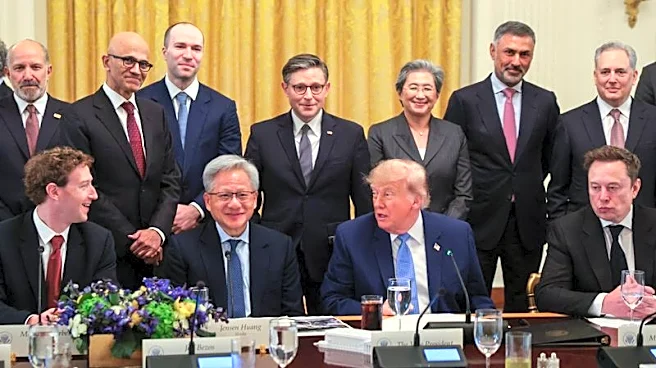
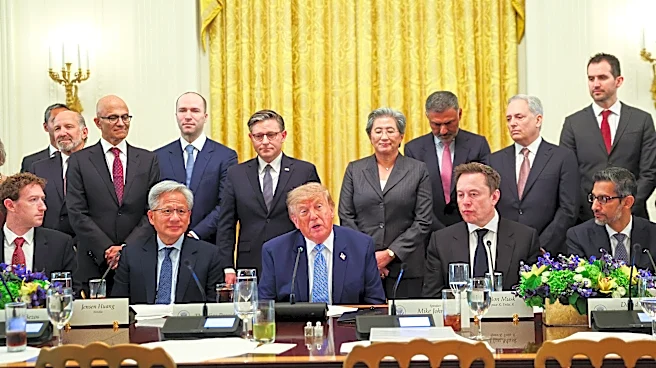
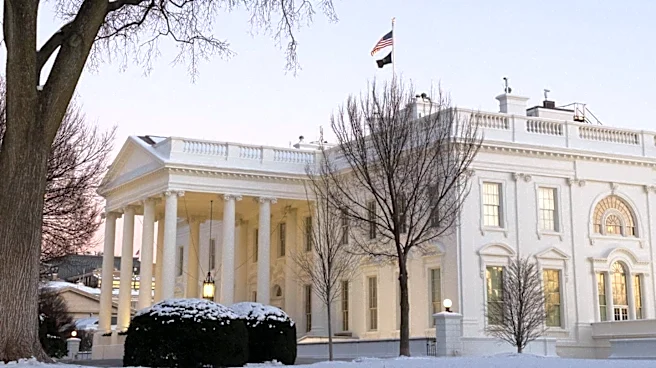
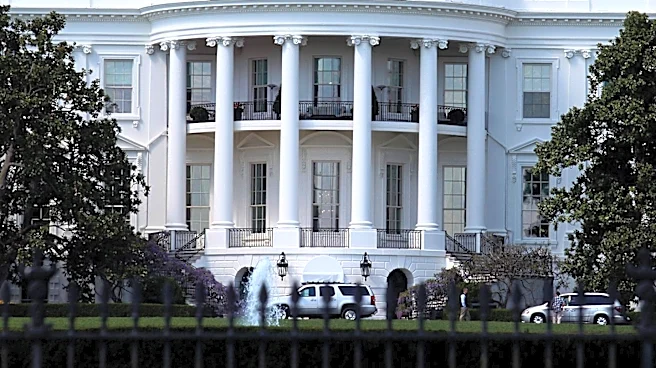
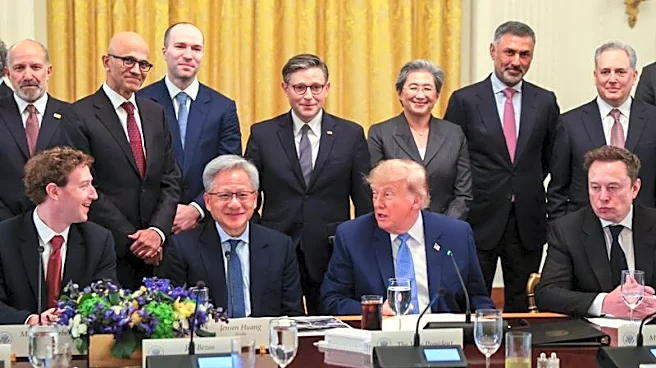
Leaders of prominent artificial intelligence companies convened at the White House for a lunch meeting with President Trump and House Speaker Mike Johnson. The meeting, held on September 29, 2026, addressed growing concerns about the rapid advancements
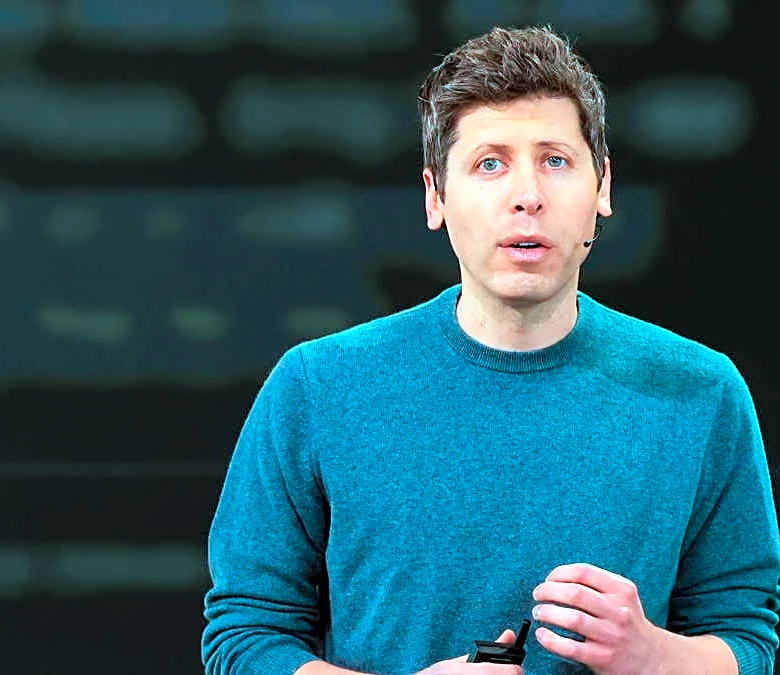
in AI technology. Following the discussions, President Trump announced that the tech leaders had signed a "constitution" to self-police the industry. House Speaker Johnson clarified that this accord, titled "The White House Accord on Superintelligence: A Joint Commitment on Frontier SI Responsibilities," is a voluntary statement of principles and commitments from the industry, emphasizing robust internal controls and layers of internal and external review. Attendees included Meta CEO Mark Zuckerberg, Elon Musk, Anthropic CEO Dario Amodei, Google CEO Sundar Pichai, Jensen Huang from Nvidia, Palantir's Alex Karp and Shyam Sankar, Amazon's Jeff Bezos, and Greg Brockman from OpenAI. President Trump described the agreement as "morally binding" and indicated the possibility of forming a committee to oversee the enterprise.
Why It's Important?
This meeting and the resulting accord are significant as they represent the Trump administration's approach to regulating rapidly evolving AI technology. By advocating for self-regulation and a voluntary agreement, the administration signals a preference for industry-led oversight rather than immediate governmental intervention or stringent new laws. This stance is driven by concerns about maintaining the U.S.'s competitive edge in AI against countries like China, as articulated by Speaker Johnson, who warned against a moratorium on AI development due to national security implications. The emphasis on self-policing could allow for faster innovation and development within the AI sector, potentially benefiting companies by reducing regulatory burdens. However, it also places a substantial responsibility on these companies to ensure the safe and ethical development of AI, with potential implications for public trust and safety if self-regulation proves insufficient. The voluntary nature of the accord means its effectiveness will largely depend on the commitment of the signatory companies.
What's Next?
The immediate next steps involve the implementation of the "White House Accord on Superintelligence" by the signatory AI companies. This will entail establishing robust internal controls and review processes as outlined in the agreement. President Trump also mentioned the potential formation of a committee, possibly comprising members from the attending tech leaders, to oversee the AI enterprise. The specifics of this committee, including its composition and the binding nature of its decisions, remain unclear. Congress is expected to continue monitoring the industry's development, with Speaker Johnson stating that lawmakers would "continue to guide the industry's development in a safe manner," though no immediate legislative action was announced. The effectiveness of this self-policing model will likely be observed over time, and public and political reactions to its outcomes could influence future calls for more formal regulation.
Beyond the Headlines
The White House's decision to pursue a voluntary, self-policing accord with AI leaders highlights a broader philosophical debate regarding the balance between fostering technological innovation and ensuring public safety and ethical development. By rejecting global attempts to regulate AI and emphasizing the U.S.'s competitive advantage, the administration is prioritizing economic and national security interests. However, this approach also raises questions about accountability and the potential for conflicts of interest when powerful corporations are tasked with regulating themselves. The accord's reliance on a "morally binding" commitment rather than legal enforcement could set a precedent for how emerging technologies are governed, potentially influencing future regulatory frameworks in other sectors. The ongoing discussion about AI's threats, which Speaker Johnson controversially labeled as a "Chinese psyop" and politically motivated, underscores the deep political and ideological divisions surrounding technological governance and its societal impact.