






What's Happening?
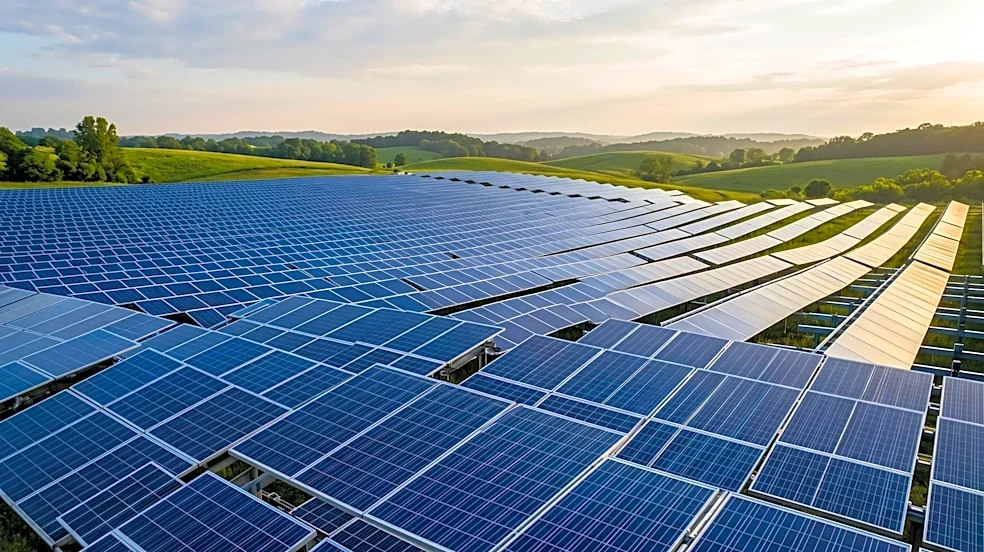
Ava Community Energy has introduced its Critical Municipal Facilities (CMF) program, which is deploying solar and battery storage systems to essential city services in Berkeley, Fremont, Hayward, and Livermore, California. This initiative involves installing
these systems at eight critical city sites, including fire stations, community centers, food banks, equipment yards, and city council buildings. In total, the program has installed 500 kilowatts of photovoltaic (PV) solar panels and 1.32 megawatt-hours of battery storage. These systems are projected to generate 778,000 kilowatt-hours of local renewable energy in their first year of operation. The primary goals of these projects are to ensure critical services remain operational during power outages, reduce reliance on the main grid, increase local clean power generation, help cities manage electricity costs, and enhance community resilience.
Why It's Important?
This program is vital for enhancing the energy resilience and sustainability of critical municipal infrastructure in the East Bay. By integrating solar and battery storage, these facilities can maintain essential operations during grid outages, which is crucial for public safety and community well-being, especially during emergencies. The initiative also contributes significantly to the climate action goals of the participating cities by increasing local clean energy generation and reducing greenhouse gas emissions. Furthermore, by providing more predictable energy costs, the program offers long-term financial benefits to the cities. As a Community Choice Aggregator (CCA), Ava Community Energy demonstrates how local public power providers can play a direct role in building essential energy infrastructure and supporting their member communities in achieving their climate and resilience objectives.
What's Next?
The successful implementation of these initial projects under the CMF program sets a precedent for future expansions and similar initiatives. Ava Community Energy will likely continue to evaluate the performance of these systems and explore opportunities to extend the program to other critical facilities within its service territory. Other cities and CCAs may look to this model as a blueprint for enhancing their own energy resilience and sustainability efforts. The program's success could also encourage further investment in local clean energy generation and storage solutions across California, reinforcing the role of CCAs in driving the state's clean energy transition. Ongoing monitoring of the systems' performance and their impact on grid stability and cost savings will be key to demonstrating the long-term value of such investments.
Beyond the Headlines
The CMF program highlights a growing trend towards decentralized energy solutions and community-led resilience efforts. By focusing on critical municipal facilities, Ava Community Energy is not only addressing climate change but also bolstering local security and emergency preparedness. This approach shifts away from a sole reliance on centralized grid infrastructure, creating a more robust and distributed energy system that can better withstand disruptions. The partnership between Ava and its member cities exemplifies the collaborative potential of CCAs to drive local energy independence and innovation. This model empowers communities to take control of their energy future, fostering a sense of local ownership and direct benefit from renewable energy investments, ultimately contributing to a more sustainable and secure urban environment.