



What's Happening?
A Raleigh homeowner, Jesse Jones, known for his elaborate Halloween display in the Historic Oakwood neighborhood, is facing new challenges due to a city requirement for a Special Event Permit. Jones's display attracts thousands of visitors and trick-or-treaters
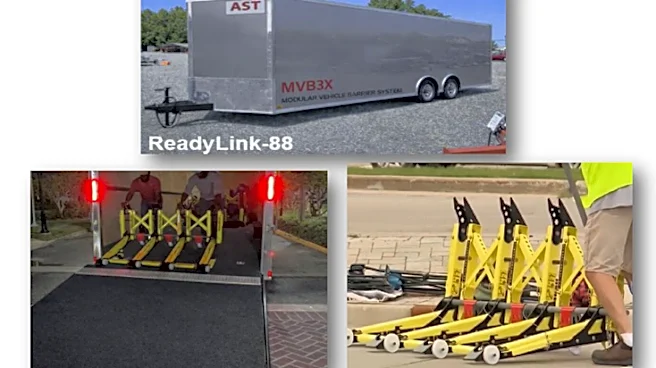
annually, including international guests. Previously, he covered costs for off-duty police and street closures. However, the city of Raleigh is now mandating a Special Event Permit because nearby streets are closed during the Halloween festivities. This new requirement, according to Jones, will significantly increase the cost of hosting the display, potentially reaching around $6,000, due to additional needs like insurance and barricades. He expressed his concerns to the Raleigh City Council, arguing that his display should not be classified as a special event and seeking city assistance to address safety without the added permit burden. Neighbors acknowledge the display's popularity and the importance of public safety given the large crowds it draws.
Why It's Important?
This situation highlights a growing tension between community-driven events and municipal regulations, particularly concerning public safety and event management. For homeowners like Jesse Jones, who invest personal time and resources to create public attractions, new permit requirements can impose substantial financial and logistical burdens, potentially jeopardizing long-standing community traditions. The increased costs for insurance and barricades, as cited by Jones, could deter individuals from organizing similar large-scale, informal community events. This could lead to a reduction in unique local attractions that foster community spirit and draw visitors. The city's stance reflects a broader trend of municipalities seeking to formalize and regulate events that impact public spaces and traffic, aiming to ensure safety and manage liability. However, it also raises questions about the balance between necessary regulation and supporting grassroots community engagement, and whether existing frameworks adequately accommodate such unique situations.
What's Next?
Following Jesse Jones's appeal to the Raleigh City Council, city leaders have met with him to discuss potential solutions. Jones anticipates receiving more information about possible options by Wednesday. The outcome of these discussions will determine whether the city can find a way to address public safety concerns related to the Halloween display without imposing the full financial and logistical weight of a Special Event Permit on Jones. Potential solutions could include modified permit requirements, city assistance with certain costs like barricades, or a reclassification of the event's nature. The decision will likely set a precedent for how Raleigh handles similar large-scale, privately organized community events in the future, potentially influencing other homeowners or community groups considering public displays or gatherings.
Beyond the Headlines
The dispute over Jesse Jones's Halloween display touches upon broader themes of civic engagement, bureaucratic hurdles, and the evolving nature of public spaces. In an era where community events often grow organically through social media and word-of-mouth, municipalities are grappling with how to apply regulations designed for formal events to informal, yet popular, gatherings. This case underscores the challenge of balancing public safety and liability concerns with the desire to foster community traditions and individual expression. It also highlights a potential disconnect between city administration and the public, where residents perceive regulations as unnecessary bureaucracy rather than essential safety measures. The resolution of this issue could influence how cities nationwide approach the regulation of popular, privately initiated public events, potentially leading to more flexible or tailored permitting processes that support community initiatives while ensuring public welfare.