




What's Happening?
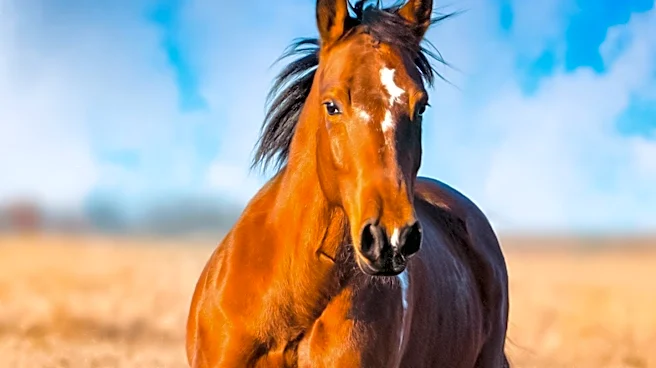
A working ranch horse in Presidio County, Texas, has been identified as the first equine case of New World screwworm in the current U.S. outbreak. Larvae were discovered in a wound on one of the horse's hind limbs. Following this detection, on September
9, the Texas Animal Health Commission (TAHC) issued an order establishing an infested zone in parts of Presidio and Jeff Davis counties. This new order restricts the movement of warm-blooded animals, including horses, cattle, goats, dogs, and cats, out of the designated zone without prior authorization from the TAHC, a mandatory inspection, and any necessary treatment. This development marks a shift in the outbreak, as previous U.S. detections were primarily in cattle, goats, and one dog. As of September 9, there have been 49 confirmed cases in the U.S., with 48 in Texas and four still active, according to USDA data compiled by Texas Public Radio. While some earlier restriction zones in other Texas counties have been lifted, the new equine case has prompted expanded measures in West Texas.
Why It's Important?
The confirmation of a New World screwworm case in a horse significantly broadens the scope of concern for livestock owners and the agricultural industry in Texas and potentially beyond. Previously, the focus was largely on cattle, but this incident highlights that all warm-blooded animals are susceptible, necessitating increased vigilance across various sectors, including equine operations, pet owners, and wildlife management. The expanded movement restrictions in Presidio and Jeff Davis counties will directly impact ranchers, horse owners, and anyone transporting animals, requiring additional inspections and certifications, which can lead to logistical challenges and increased costs. The re-emergence and spread of the screwworm, which was eradicated in the U.S. in 1966, poses a substantial economic threat due to potential livestock losses, veterinary expenses, and trade implications if the outbreak is not contained. The situation underscores the ongoing vulnerability of U.S. agriculture to foreign animal diseases and parasites.
What's Next?
The Texas Animal Health Commission's new infested zone in Presidio and Jeff Davis counties will remain in effect until further notice, with the USDA continuing to update its public dashboard as cases are confirmed or closed. Horse owners within and near these zones will need to adhere strictly to new movement requirements, including daily wound checks, enhanced fly control, and obtaining proper documentation for any animal transport. The U.S. Equestrian federation has indicated that its licensed competitions may implement wound checks upon horse arrival, and state animal health officials will set entry rules for animals coming from affected areas. Officials have not yet publicly disclosed how the infected horse was exposed or if nearby animals have been affected, which remains an open question. The FDA has also issued an emergency authorization for an ivermectin product for horses, available by prescription, for short-term prevention in specific scenarios, though not for treating existing infestations. Continued monitoring, rapid reporting of suspected cases to the TAHC, and adherence to biosecurity measures will be critical in controlling the outbreak's progression.
Beyond the Headlines
The re-emergence of the New World screwworm, particularly its spread to an equine, highlights broader implications for animal health surveillance and border security. The parasite's ability to re-establish itself after decades of eradication efforts suggests potential vulnerabilities in current biosecurity protocols, especially in regions bordering Mexico where the screwworm is endemic. This situation could prompt a re-evaluation of strategies for preventing the re-introduction of eradicated diseases and pests, potentially leading to increased funding for surveillance programs, enhanced border inspections, and more robust rapid response mechanisms. The incident also underscores the interconnectedness of animal health, agricultural economics, and public health, as while human risk is currently low, any zoonotic potential or impact on the food supply chain (though USDA states screwworm is not a food safety threat) necessitates a comprehensive, multi-agency approach. The long-term success in containing this outbreak will serve as a critical test of the nation's preparedness for similar biological threats.